Murgh Makhani: The Quintessence of Indian Culinary Artistry – A Michelin Chef’s Homage to Butter Chicken

The Genesis of a Legend: A Culinary History of Butter Chicken
The story of Butter Chicken, or Murgh Makhani as it is reverently known in its homeland, is a captivating narrative steeped in ingenuity, necessity, and pure gastronomic brilliance. Its genesis traces back to the bustling culinary landscape of Old Delhi, specifically to the kitchens of Moti Mahal, a restaurant that would inadvertently become a beacon of North Indian cuisine. The year was 1947, a tumultuous time marked by the partition of India. Kundan Lal Gujral, a visionary restaurateur who had migrated from Peshawar, found himself confronting a common challenge in his new establishment: how to revive leftover tandoori chicken that had become dry by the end of the day.
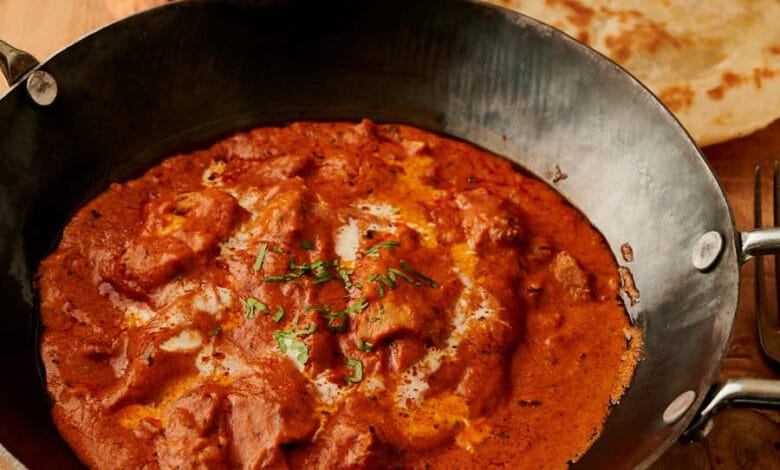
It was a stroke of genius, born from a desire to minimize waste and maximize flavor, that led to the creation of this iconic dish. Gujral, along with his partners Thakur Dass and Kundan Lal Jaggi, began experimenting. They simmered pieces of tandoor-cooked chicken in a rich, buttery, and creamy tomato-based gravy, infused with a medley of aromatic spices. The result was nothing short of revolutionary: a dish that was incredibly tender, imbued with a smoky depth, and bathed in a luscious, vibrant orange sauce that instantly soothed the palate. This innovative approach transformed humble leftovers into a culinary sensation.
Murgh Makhani rapidly gained popularity, first among local patrons and then among visiting dignitaries, including India’s first Prime Minister, Jawaharlal Nehru. Its reputation spread like wildfire, crossing national borders and enchanting palates across the globe. What started as a clever solution to a practical problem evolved into a cornerstone of Indian cuisine, celebrated for its exquisite balance of sweet, tangy, and subtly spicy notes, all enveloped in a silken, opulent texture. Today, Butter Chicken stands as a testament to the power of culinary innovation, a dish that has not only endured but thrived, becoming a beloved staple and a symbol of Indian hospitality and flavor diversity.
The Essence of Flavour: Key Ingredients for an Authentic Murgh Makhani
Crafting an exceptional Butter Chicken begins with an unwavering commitment to the quality and purity of its core ingredients. Every component plays a pivotal role in constructing the dish’s signature profile, from the succulent chicken to the velvety makhani sauce. Here is an exhaustive list, curated for a truly sublime experience:
For the Chicken Marinade:
- Chicken: 1 kilogram (approximately 2.2 lbs) boneless, skinless chicken thighs or breast, cut into 1.5-inch (4 cm) pieces. Thighs are highly recommended for their inherent tenderness, moisture retention, and richer flavor, which withstands the cooking process better than breast meat.
- Yogurt: 1/2 cup (120 ml) full-fat plain Greek yogurt. Its thick consistency and natural acidity are crucial for tenderizing the chicken and creating a robust base for the spices to cling to.
- Ginger-Garlic Paste: 1 tablespoon, freshly made for maximum pungency and a vibrant aromatic foundation. Pre-made pastes often lack the depth of freshly pounded ginger and garlic.
- Lemon Juice: 1 tablespoon, freshly squeezed. The acidity brightens the flavors, aids in tenderization, and acts as a natural preservative.
- Spices:
- 1 teaspoon Kashmiri Red Chilli Powder: Essential for its vibrant red hue and mild, fruity heat. It contributes significantly to the dish’s iconic color without overpowering the palate.
- 1/2 teaspoon Turmeric Powder: Provides earthy depth and a subtle golden undertone, also known for its health benefits.
- 1 teaspoon Cumin Powder: Offers warmth, a slight bitterness, and a complex earthy aroma that is quintessential to Indian cuisine.
- 1 teaspoon Coriander Powder: Contributes citrusy, floral, and slightly sweet notes, balancing the more pungent spices.
- 1/2 teaspoon Garam Masala: A fragrant blend of warming spices, typically including cinnamon, cardamom, cloves, and black pepper, adding an intricate layer of aroma.
- 1 teaspoon Salt: Or to taste, to enhance and balance all the other flavors.
For the Makhani Sauce:
- Tomatoes: 800g (28 oz) can of high-quality crushed San Marzano tomatoes, or an equivalent weight of very ripe, sweet plum tomatoes, finely puréed. The quality of your tomatoes is paramount for the sauce’s foundation, dictating its sweetness and acidity.
- Onion: 1 medium-sized, finely chopped. Provides an aromatic and subtly sweet base, adding body and structure to the sauce.
- Ginger-Garlic Paste: 1.5 tablespoons, freshly prepared. Essential for the deep aromatic profile of the sauce.
- Cashews: 1/2 cup (about 60g) raw unsalted cashews, soaked in warm water for at least 30 minutes. These are indispensable for achieving the sauce’s signature creamy texture, richness, and slight sweetness.
- Butter: 1/2 cup (113g) unsalted, high-quality butter, divided. The ‘butter’ in Butter Chicken is not merely a namesake; it provides immense richness, emulsification, and a velvety mouthfeel.
- Heavy Cream: 1/2 cup (120ml) full-fat heavy cream, plus extra for garnish. Contributes to the dish’s luxurious, silken finish and mellows the spices.
- Spices:
- 2 tablespoons Kashmiri Red Chilli Powder: For an even deeper, alluring red color and nuanced flavor.
- 1/2 teaspoon Turmeric Powder: Enhances the golden base.
- 1 teaspoon Cumin Powder: Reinforces the earthy foundation.
- 1 teaspoon Coriander Powder: Adds another layer of fragrant complexity.
- 1 teaspoon Garam Masala: A final aromatic flourish for the sauce.
- 1 teaspoon Kasuri Methi (dried fenugreek leaves), crushed vigorously between palms. This is a non-negotiable ingredient, providing a unique, slightly bitter, maple-like aroma that defines authentic Murgh Makhani.
- 1-2 teaspoons Sugar: Or to taste, crucial for balancing the acidity of the tomatoes and harmonizing the flavors.
- 1 teaspoon Salt: Or to taste, for seasoning the sauce to perfection.
- Whole Spices (for tempering – ‘Tadka’):
- 3-4 green cardamom pods, lightly crushed to release their fragrant seeds.
- 1-inch (2.5 cm) cinnamon stick, for warmth and depth.
- 2-3 bay leaves, for a subtle herbaceous aroma.
- Green Chillies: 1-2 (optional), slit lengthwise. For those who desire a subtle hint of fresh, vibrant heat.
- Water or Chicken Stock: As needed, to adjust the sauce consistency to your desired perfection.
For Garnish:
- Fresh coriander leaves, finely chopped. Adds a burst of freshness and color.
- A delicate swirl of heavy cream. Enhances visual appeal and adds a final touch of luxury.
- A small knob of unsalted butter. Melts into the hot dish, imparting a beautiful sheen and intensified richness.
The Culinary Ballet: Step-by-Step Instructions for the Perfect Murgh Makhani
The journey to an extraordinary Butter Chicken is a meticulous dance of preparation and patience. Follow these steps with precision to achieve a restaurant-quality dish in your own kitchen.
Part 1: Preparing and Cooking the Chicken
- Marinate the Chicken with Finesse: In a large bowl, combine the chicken pieces with the Greek yogurt, freshly made ginger-garlic paste, lemon juice, Kashmiri red chilli powder, turmeric, cumin, coriander, garam masala, and salt. Mix thoroughly with your hands, ensuring every piece of chicken is enveloped in the aromatic marinade. Cover the bowl tightly and refrigerate for a minimum of 4 hours, or ideally, overnight (12-24 hours). This extended marination is the cornerstone of profoundly tender and flavorful chicken.
- Cook the Chicken to Perfection: Preheat your oven to 200°C (400°F) with the rack in the upper-middle position, or prepare a grill for medium-high heat. Skewer the marinated chicken pieces, ensuring they are not overcrowded, which can lead to steaming rather than charring. If using an oven, place skewers on a baking sheet lined with foil (for easy cleanup) and cook for 15-20 minutes, turning once, until the chicken is cooked through with slightly charred edges. If grilling, cook for 8-12 minutes, turning occasionally, until perfectly tender and marked. Alternatively, in a large pan or cast-iron skillet, heat a tablespoon of neutral oil over medium-high heat and pan-fry the chicken in batches until golden brown and cooked through. Set the cooked chicken aside.
Part 2: Crafting the Silken Makhani Sauce
- Aromatic Foundation: In a large, heavy-bottomed pot or Dutch oven, melt half of the unsalted butter over medium heat. Add the whole spices (crushed green cardamom pods, cinnamon stick, bay leaves) and green chillies (if using). Sauté for about 30-60 seconds until their fragrant oils are released, being careful not to burn them.
- Build the Base: Add the finely chopped onion to the pot. Cook slowly over medium-low heat, stirring frequently, until the onion becomes translucent and softened, about 7-10 minutes. Avoid any browning, as this can darken the sauce and alter its sweetness. Stir in the ginger-garlic paste and cook for another minute until fragrant, ensuring it doesn’t stick or burn.
- Tomato and Cashew Infusion: Pour in the puréed San Marzano tomatoes. Add the soaked, drained cashews, the remaining Kashmiri red chilli powder, turmeric, cumin, coriander, garam masala, and salt. Mix well to combine. Bring the mixture to a gentle simmer, then reduce the heat to low, cover the pot, and cook for 15-20 minutes, stirring occasionally. This slow cooking allows the tomatoes to break down completely, intensifies the spice flavors, and encourages the butter to begin separating at the edges, a sign of a well-cooked sauce.
- Blend to Unparalleled Smoothness: Carefully transfer the entire hot sauce mixture to a high-speed blender. Blend until absolutely smooth and creamy – this typically takes 2-3 minutes of continuous blending. If the mixture is too thick to blend effectively, add a small amount of warm water or chicken stock, a tablespoon at a time, until it reaches a blendable consistency.
- The Silken Strain – A Michelin Secret: For an unparalleled, restaurant-quality silken texture, pass the freshly blended sauce through a fine-mesh sieve or chinois directly back into the clean pot. Use the back of a ladle or spatula to press down firmly on any solids (like cashew bits or fibrous tomato remnants) to extract every last drop of the luxurious liquid, discarding the remaining fibrous residue. This crucial step is what elevates the sauce to its signature, ethereal smoothness.
- Refine and Enrich the Sauce: Return the strained sauce to a very gentle simmer over low heat. Stir in the crushed Kasuri Methi, gently warming it to release its unique aroma, and the sugar. Taste the sauce and adjust the seasoning meticulously, adding more salt or sugar as needed to achieve that perfect balance between the acidity of the tomatoes and the warming spices.
- Final Touches of Opulence: Slowly stir in the full-fat heavy cream and the remaining half of the unsalted butter. Simmer for just 2-3 minutes more, ensuring the sauce does not come to a vigorous boil after the cream is added, as this can cause it to split. The sauce should become beautifully glossy, rich, and perfectly emulsified.
Part 3: Combining and Serving
- Marry the Flavors: Gently add the pre-cooked chicken pieces to the exquisite makhani sauce. Stir carefully to ensure every piece of chicken is thoroughly coated in the luxurious gravy. Allow it to simmer together for another 5-7 minutes on very low heat. This final simmer is vital, allowing the chicken to fully absorb the complex and profound flavors of the sauce, further tenderizing it.
- The Grand Finale: Ladle the Murgh Makhani generously into warm serving bowls. Garnish elegantly with a generous sprinkle of freshly chopped coriander leaves, a delicate swirl of heavy cream, and for the ultimate touch of indulgence, a small, melting knob of unsalted butter placed atop the hot curry.
- Serve Immediately with Distinction: Present this culinary masterpiece piping hot. It is traditionally best enjoyed with warm, pillowy garlic naan bread, which is perfect for scooping up every last drop of the opulent sauce, or alongside fragrant basmati rice or delicate jeera rice, allowing the richness of the curry to shine.
The Michelin Touch: Pro-Tips for Elevating Your Butter Chicken
Achieving a truly exceptional Butter Chicken requires attention to detail and a mastery of technique that goes beyond the basic recipe. These insights from a Michelin Star kitchen will transform your dish from merely good to truly unforgettable:
- Uncompromising Ingredient Quality: The foundation of any great dish lies intrinsically in its ingredients. Invest without hesitation in high-quality, ripe San Marzano tomatoes, freshly prepared ginger and garlic, and excellent unsalted butter. These superior components, handled with care, will undeniably shine through, contributing immensely to the final flavor profile and overall depth. Never compromise on the bedrock of your creation.
- The Art of Extended Marination: Do not, under any circumstances, rush the marination process. An overnight soak, ideally for 12-24 hours, allows the chicken to fully absorb the array of spices and the lactic acid from the yogurt. This results in profoundly tender, moist, and deeply flavored meat that stands up beautifully to the rich sauce. This is a non-negotiable step for achieving true depth of flavor.
- Smoking the Chicken (The Dhungar Method): For an authentic smoky flavor that evokes the traditional tandoor, I highly recommend employing the ‘dhungar’ technique. Once the chicken is cooked, place a small, heat-proof bowl containing a burning piece of charcoal in the center of the chicken container. Drizzle a teaspoon of ghee or oil over the charcoal to create a plume of fragrant smoke, then immediately cover the container tightly for 5-10 minutes. This imbues the chicken with an incredible, subtle smoky depth that is truly distinctive.
- The Silken Secret: Meticulous Straining: After blending the sauce, *always* pass it through a fine-mesh sieve or chinois. This laborious but critical step removes any fibrous tomato skins, onion bits, or lingering spice remnants, resulting in the incredibly smooth, velvety, and unctuous texture that defines a world-class Murgh Makhani. It is the single most important technique that separates a good homemade curry from an extraordinary, Michelin-level creation.
- Mastering Flavor Balance: Butter Chicken thrives on a delicate and harmonious equilibrium of sweet, tangy, and subtly spicy notes. Use sugar judiciously to counteract the inherent acidity of the tomatoes, and a touch of freshly squeezed lemon juice or a splash of white vinegar can brighten the overall profile if it feels too flat. Taste and adjust constantly, seeking that perfect symphonic balance.
- Harnessing Kashmiri Chilli Power: Utilize Kashmiri red chilli powder generously, not for its heat, but primarily for its stunning, deep red-orange color. It imparts a visually appealing richness without overwhelming the palate with spiciness, allowing the other nuanced flavors to come forward.
- The Irreplaceable Magic of Kasuri Methi: Do not, under any circumstances, omit Kasuri Methi (dried fenugreek leaves). Crush them vigorously between your palms just before adding to the sauce; this action releases their essential oils. This unique herb provides an unmistakable, slightly bitter, yet aromatic and maple-like flavor that is absolutely intrinsic to the authentic taste profile of Butter Chicken.
- The Virtue of Resting for Flavor Fusion: Like many complex stews and curries, Butter Chicken often tastes even more sublime the next day. The flavors are given ample time to meld, deepen, and truly harmonize over time, resulting in a more integrated, sophisticated, and complex profile. Planning ahead is often rewarded.
- The Art of Perfect Pairing: Serve your Murgh Makhani masterpiece with fresh, warm, and pillowy naan bread – garlic naan or butter naan are particularly exquisite choices, ideal for scooping up every last drop of the luxurious sauce. Alternatively, perfectly cooked fluffy basmati rice or fragrant jeera rice beautifully complements its richness.
Nourishment and Indulgence: Nutritional Information (Approximate Per Serving)
While Butter Chicken is a dish renowned for its richness and indulgence, it also offers a significant source of protein and essential nutrients. The following table provides approximate nutritional values for one generous serving (about 1.5 cups or 350g) of Murgh Makhani, prepared according to this precise recipe. Please note that these values can vary based on specific ingredient brands, exact portion sizes, and slight variations in preparation methods, serving as a general guide rather than a precise dietary measure.
| Nutrient | Approximate Value Per Serving |
|---|---|
| Calories | 650 – 750 kcal |
| Protein | 40 – 50 g |
| Total Fat | 45 – 55 g |
| – Saturated Fat | 25 – 30 g |
| Carbohydrates | 25 – 35 g |
| – Sugars | 10 – 15 g |
| Fiber | 4 – 6 g |
| Sodium | 800 – 1000 mg |
This dish, while an indulgent treat, provides a hearty and satisfying meal, offering a balanced profile of macronutrients for a truly fulfilling and memorable culinary experience. Enjoy it mindfully, appreciating its rich composition.
Your Culinary Queries Answered: Frequently Asked Questions about Murgh Makhani
Even for a dish as universally loved and seemingly straightforward as Butter Chicken, questions often arise concerning preparation, dietary adaptations, and storage. Here, I address some common inquiries to ensure your culinary journey is seamless and confident, allowing you to master this dish without hesitation.
- Q: Can I make Butter Chicken vegetarian?
- A: Absolutely, the versatility of the makhani sauce is one of its greatest attributes! You can effortlessly substitute the chicken with paneer (Indian cottage cheese), firm tofu, or even a delightful medley of roasted vegetables such as cauliflower florets, bell peppers, and green peas. The core recipe for the sauce remains largely the same, making it a delicious Paneer Makhani or Vegetable Makhani.
- Q: How can I make the dish less spicy, or more spicy?
- A: This recipe primarily utilizes Kashmiri red chilli powder, which is revered for its vibrant color rather than intense heat, keeping the dish mild. If you prefer an even milder flavor, simply reduce the amount of Kashmiri chilli powder. For zero heat, omit the green chillies entirely. To increase the spice level, you can add a pinch of hotter red chilli powder (like cayenne pepper) or a few finely chopped green chillies directly into the sauce.
- Q: Can Butter Chicken be prepared in advance?
- A: Indeed, Butter Chicken is one of those culinary marvels that often tastes even more profound and harmonious the next day! The flavors are given ample time to meld, deepen, and mature, resulting in a more complex and integrated sauce. You can prepare both the chicken and the sauce separately, or fully assemble the dish, and then gently reheat it when you are ready to serve.
- Q: What is the best way to store leftovers?
- A: Store any leftover Butter Chicken in an airtight container in the refrigerator for up to 3-4 days. To reheat, gently warm the curry on the stovetop over very low heat, adding a splash of water or milk if the sauce has thickened too much during refrigeration. It is crucial to avoid high heat when reheating after cream has been added, as this can cause the sauce to split. It can also be frozen for up to 2-3 months; ensure it is completely thawed in the refrigerator overnight before reheating.
- Q: What are the best accompaniments for Butter Chicken?
- A: Traditionally, Butter Chicken is best served with warm, freshly baked naan bread, especially garlic naan or butter naan, which are perfect for soaking up every exquisite drop of the rich sauce. It also pairs wonderfully with perfectly cooked fluffy basmati rice, aromatic jeera rice (cumin rice), or even simple, soft chapatis, allowing the richness of the curry to be the star.
- Q: Is this recipe gluten-free?
- A: Yes, this recipe is inherently gluten-free, provided that your spices are pure and do not contain any added gluten-containing ingredients or fillers. It is always wise to double-check the labels of any pre-made ginger-garlic paste or mixed spice blends if you are highly sensitive to gluten.
- Q: Can I substitute cashews for another nut or ingredient?
- A: While cashews provide a unique creamy texture, a subtle sweetness, and richness that are highly characteristic of a traditional makhani sauce, you could experiment with blanched almonds for a similar richness, though the flavor profile will subtly differ. For a completely nut-free option, sunflower seeds, soaked and then blended, can provide some body, but the original depth of richness and specific taste will be altered. Coconut cream can also be used, but will impart a distinctly different flavor profile.
- Q: Why is my sauce grainy or not smooth?
- A: A grainy sauce is almost always due to insufficient blending or, more commonly, not straining the sauce meticulously. Ensure you blend the sauce in a high-speed blender for a good 2-3 minutes until it is absolutely silky smooth. The subsequent step of passing it through a fine-mesh sieve is crucial for removing any remaining solid particles and achieving that signature, luxurious, velvety texture.
- Q: My sauce is too sweet/sour. How do I adjust it?
- A: Achieving the perfect balance is key. If your sauce is too sweet, you can counteract this by adding a touch more fresh lemon juice or a small pinch of salt to brighten and balance the flavors. If it is too sour (often from particularly acidic tomatoes), a little more sugar, an additional swirl of heavy cream, or a small knob of unsalted butter melted into the sauce can help mellow the acidity and round out the taste. Always adjust gradually, tasting as you go, until equilibrium is reached.
With these comprehensive insights, meticulous instructions, and a dedication to the craft, you are now fully equipped to create a Butter Chicken that not only honors its profound legacy but also utterly delights the senses. May your culinary journey be filled with flavor and satisfaction. Bon Appétit!