Tag: Brain

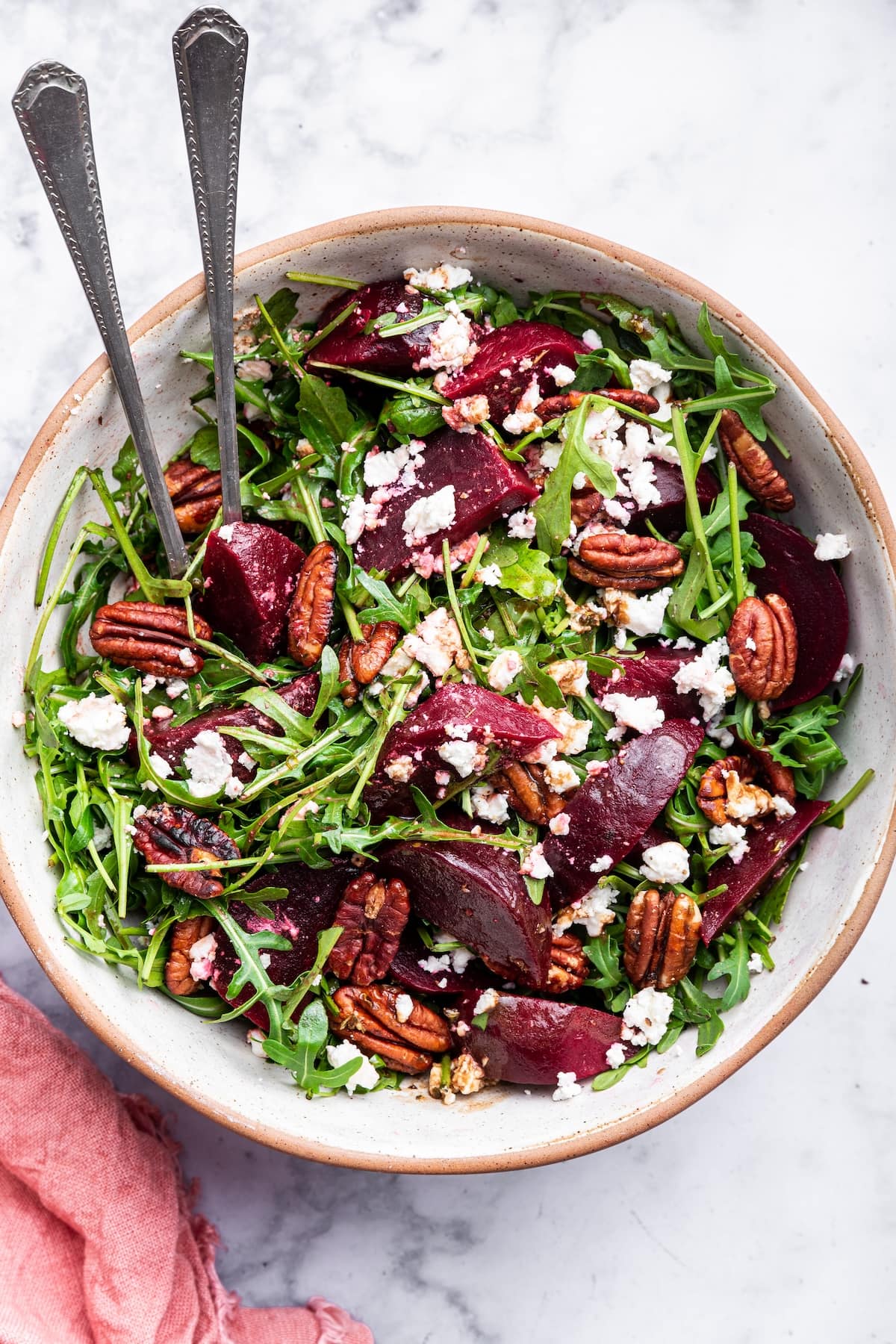
  • Brain Fuel: Beet & Arugula Salad

    Brain Fuel: Beet & Arugula Salad

    Introduction & My Personal Story

    There’s something magical about a dish that transports you back to a cherished moment in time. For me, this Beet & Arugula Salad does just that. I remember the first time I tasted this delightful combination. It was a sunny afternoon in the heart of Tuscany, where I was invited to a local family’s vineyard. The air was filled with the sweet aroma of ripe grapes, and the table was adorned with an array of vibrant dishes. However, it was the salad that stole the show.

    As I took my first bite, the earthy sweetness of the beets paired with the peppery arugula and the tangy balsamic vinaigrette was a revelation. It was as if each ingredient was a note in a harmonious melody, perfectly balanced and utterly satisfying. This experience left a lasting impression on me, and I’ve been recreating this salad ever since, tweaking it here and there to suit my taste.

    In my 5 years of experience as a chef, I’ve learned that food is more than just nourishment; it’s a way to connect with others, to share stories and create memories. This Beet & Arugula Salad is not just a recipe; it’s a piece of my culinary journey, and I’m excited to share it with you. Whether you’re looking for a healthy meal option or a dish to impress your guests, this salad is sure to become a favorite in your kitchen.

    Why You’ll Love This Recipe

    • Quick and easy to prepare, perfect for busy weeknights.
    • Loaded with nutrients to boost your brainpower and energy levels.
    • Versatile and adaptable to suit various dietary preferences.
    • A vibrant, colorful dish that will impress your dinner guests.
    • Perfect balance of flavors and textures, from earthy beets to creamy cheese.

    Detailed Ingredients

    • Beets: 500 grams, choose firm and smooth beets for best quality.
    • Lemon Juice: 2 tablespoons, or substitute with white vinegar.
    • Raw Pecans: 100 grams, look for whole pecans for optimal crunch.
    • Baby Arugula: 150 grams, vibrant green leaves with a peppery taste.
    • Gorgonzola or Feta Cheese: 100 grams, choose based on your preference for creaminess.
    • Balsamic Vinaigrette: 60 ml, a high-quality balsamic will enhance the flavor.

    Step-by-Step Instructions

    1. Boil the Beets

    Start by washing the beets thoroughly under running water to remove any dirt. Place them in a large saucepan, cover with water, and add 2 tablespoons of lemon juice. This will help retain their vibrant color. Bring the water to a boil over high heat, then reduce to a simmer. Allow the beets to cook until they’re tender when pierced with a fork, approximately 45 minutes to 1 hour. Once done, drain the water and let them cool under cold running water. This makes peeling the beets much easier. Peel them gently with your hands and cut them into quarters.

    2. Toast the Pecans

    While the beets are cooking, take your raw pecans and place them in a dry skillet over medium-low heat. Stir occasionally and let them toast for about 2 to 5 minutes. You’ll know they’re ready when they release a fragrant nutty aroma. Be cautious not to burn them. Once toasted, remove from heat and let them cool.

    3. Assemble the Salad

    On a large serving platter or in a salad bowl, spread the baby arugula evenly as your base. Layer the quartered beets on top, followed by the toasted pecans. Crumble your choice of cheese—be it Gorgonzola or Feta—over the salad. Each component should be visible and well-distributed for an appealing presentation.

    4. Dress & Serve

    Finally, drizzle the balsamic vinaigrette over the assembled salad. Toss gently to ensure everything is coated just right. Serve immediately and watch as your guests enjoy every bite.

    Common Mistakes to Avoid

    One common mistake is overcooking the beets, which can lead to a mushy texture. Keep a close eye on them and test for doneness with a fork. Another pitfall is burning the pecans; always toast them on medium-low heat and stir frequently. Lastly, using a low-quality balsamic vinaigrette can dull the flavors of the salad. Opt for a good quality balsamic for the best result.

    How to Store & Reheat

    Store any leftovers in an airtight container in the refrigerator. This salad is best consumed within 2 days to maintain freshness. If you need to reheat it, do so gently in a skillet over low heat, just enough to take the chill off without wilting the arugula.

    Ingredient Substitutions

    If you need to make substitutions, here are some safe swaps:

    • Beets: Swap with roasted sweet potatoes for a different sweet flavor profile.
    • Pecans: Use walnuts or almonds if you prefer or have them on hand.
    • Gorgonzola or Feta Cheese: Goat cheese can be a great alternative for a tangy twist.
    • Balsamic Vinaigrette: A simple olive oil and lemon dressing can be used if you’re out of balsamic.

    Nutrition Facts

    • Calories: 370 kcal
    • Protein: 11g
    • Fat: 22g
    • Carbohydrates: 35g
    • Serving Size: 1 plate (approximately 200g)

    Frequently Asked Questions

    Can I use canned beets instead of fresh?

    Yes, canned beets can be a convenient substitute. Just be sure to drain and rinse them thoroughly before using.

    Is this salad suitable for vegans?

    To make it vegan, simply omit the cheese or replace it with a vegan cheese alternative.

    What can I serve this salad with?

    This salad pairs beautifully with grilled chicken or fish for a complete meal.

    Can I prepare this salad in advance?

    You can prepare the components ahead of time, but it’s best to assemble the salad just before serving to keep the arugula fresh and crisp.

    How can I enhance the flavor of the vinaigrette?

    Add a teaspoon of Dijon mustard or a splash of honey to the balsamic vinaigrette for extra depth and sweetness.
  • Brain Fuel: Nut-Free Granola Bars

    Brain Fuel: Nut-Free Granola Bars

    Introduction & My Personal Story

    Ah, the sweet scent of nostalgia. I remember the first time I realized the importance of having a quick, brain-boosting snack on hand. It was during my early days as a chef, about five years ago, in the bustling kitchen of a downtown café. The pace was relentless, the orders never-ending, and my energy levels were dropping faster than a soufflé on a bumpy road. That’s when I discovered the magic of homemade granola bars, specifically nut-free granola bars. These little wonders became my go-to snack, providing the perfect blend of energy and focus needed to power through those hectic shifts.

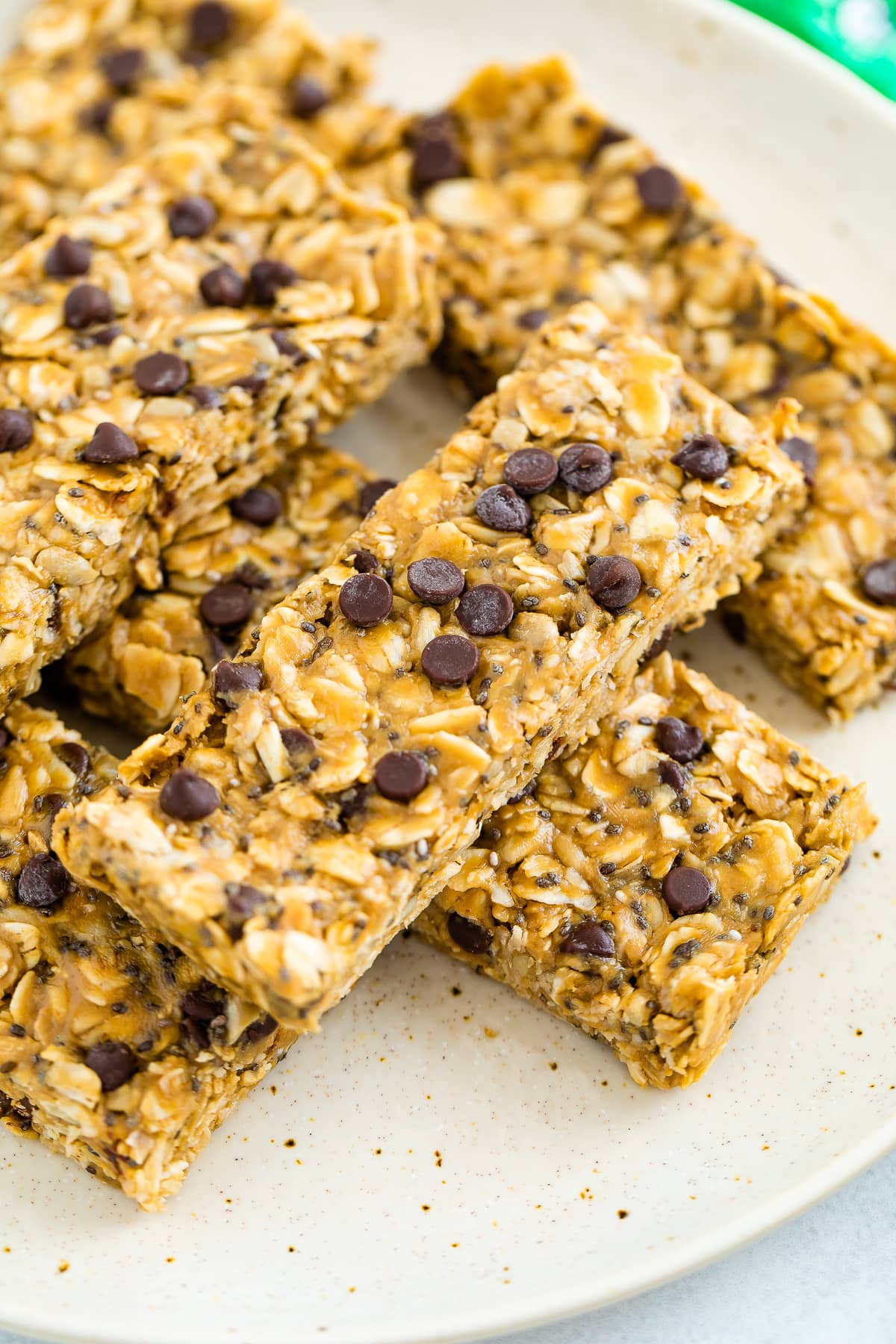
    As someone who has always been conscious of dietary restrictions, I wanted to create a recipe that could be enjoyed by everyone, including those with nut allergies. After experimenting with various ingredients, I finally landed on a combination that was not only delicious but also packed with nutrients. The key players? **Old-fashioned rolled oats**, **SunButter**, and **sunflower seeds**. Together, they create a chewy, satisfying bar that’s free from nuts but full of flavor. Now, I can’t imagine a day in the kitchen without them. They’ve become a staple in my routine, a little piece of culinary comfort that reminds me of those early days and the lessons learned along the way.

    Why You’ll Love This Recipe

    • Allergen-friendly: Perfect for those with nut allergies.
    • Quick and easy: Ready in just 15 minutes of prep time.
    • Nutritious: Packed with protein, fiber, and Omega-3s.
    • Customizable: Easily swap ingredients to suit your taste.
    • Portable: Ideal for lunch boxes or on-the-go snacking.

    Detailed Ingredients

    • 2 cups old-fashioned rolled oats (240g) – Opt for gluten-free if needed.
    • 1 cup SunButter (240g) – Choose organic for the best nutrition.
    • 1/2 cup honey (170g) – Natural sweetener and binding agent.
    • 1/2 cup sunflower seeds (70g) – Provides a crunchy texture.
    • 1/4 cup chia seeds (40g) – Boosts protein and fiber content.
    • 1/2 cup mini chocolate chips (90g) – Use allergen-friendly varieties.
    • 1/2 teaspoon sea salt – Enhances overall flavor.
    • 1 teaspoon vanilla extract – Adds a flavorful boost.

    Step-by-Step Instructions

    Step 1: Start by lining an 8×8-inch square baking pan with parchment paper. This will prevent sticking and make it easier to remove the bars once set. If needed, use binder clips to secure the parchment in place.

    Step 2: In a large mixing bowl, combine the **rolled oats**, **sunflower seeds**, **chocolate chips**, and **chia seeds**. Stir until the ingredients are well distributed. Chef’s Tip: Mixing the dry ingredients first ensures even distribution of flavors.

    Step 3: Add the **SunButter**, **honey**, **vanilla extract**, and **sea salt** to the dry mixture. Stir vigorously until the mixture is thick and well combined. It should have a sticky, cohesive texture.

    Step 4: Transfer the mixture into the prepared baking pan. Use your hands or the back of a spoon to press it down firmly, ensuring an even layer. Chef’s Tip: The firmer you press, the better the bars will hold together once set.

    Step 5: Sprinkle additional mini chocolate chips on top and press them in lightly. This adds a touch of sweetness and visual appeal.

    Step 6: Refrigerate the pan for at least 2 hours. This allows the bars to firm up and makes them easier to cut. Patience is key here!

    Step 7: Once set, remove the block of granola from the pan and place it on a cutting board. Use a sharp knife to slice into 10 even bars.

    Step 8: Store the granola bars in an airtight container in the fridge for up to 1 week, or freeze them individually for up to 2 months. They’re perfect for a quick grab-and-go snack!

    Common Mistakes to Avoid

    One common mistake when making these bars is not pressing the mixture firmly enough in the pan. This can result in crumbly bars that fall apart. Be sure to apply even pressure when pressing the mixture down.

    Another issue is not allowing enough time for the bars to set in the fridge. Rushing this step can lead to soft, sticky bars that are difficult to cut. Give them the full 2 hours to firm up properly.

    How to Store & Reheat

    To store these granola bars, place them in an airtight container and keep them in the fridge for up to 1 week. If you prefer to make a larger batch, consider freezing individual bars. Wrap each bar in parchment paper and place them in a freezer-safe bag. They can be stored in the freezer for up to 2 months.

    To reheat, simply allow a frozen bar to thaw at room temperature for about 15-20 minutes. Alternatively, pop it in the microwave for about 10 seconds for a warm, chewy treat.

    Ingredient Substitutions

    If you’re looking to swap out ingredients, here are some safe substitutions:

    • SunButter: Can be replaced with pumpkin seed butter for a similar nut-free alternative.
    • Honey: Maple syrup can be used as a vegan option.
    • Chia seeds: Flaxseeds offer a comparable nutritional profile and texture.
    • Mini chocolate chips: Dried fruits like cranberries or raisins can add natural sweetness.

    Nutrition Facts

    • Calories: 302 kcal per bar
    • Protein: 9g
    • Fat: 18g
    • Carbohydrates: 29g
    • Serving Size: 1 bar

    Frequently Asked Questions

    Q: Can I make these bars vegan?

    A: Absolutely! Simply swap the honey for maple syrup to make them vegan-friendly.

    Q: How long do these bars last at room temperature?

    A: While it’s best to store them in the fridge, they can last at room temperature for up to 2 days in a cool, dry place.

    Q: Can I add protein powder to these bars?

    A: Yes, you can add a scoop of your favorite protein powder. Just reduce the amount of oats slightly to maintain the right consistency.

    Q: Are these bars suitable for kids?

    A: Definitely! They’re a great nut-free option for school snacks and lunchboxes.


  • Focus Win: Feta-Baked Spaghetti Squash

    Focus Win: Feta-Baked Spaghetti Squash

    Introduction & My Personal Story

    Picture this: It’s a chilly autumn evening, and I’m in my cozy kitchen, the air filled with the comforting aroma of roasted vegetables. I can still vividly recall the first time I stumbled upon the concept of a feta-baked spaghetti squash. It was during a culinary exploration phase about five years ago when I was seeking healthier alternatives to my beloved pasta dishes. I remember being skeptical at first, questioning how this odd-looking squash could possibly satisfy my cravings. But oh, how wrong I was!

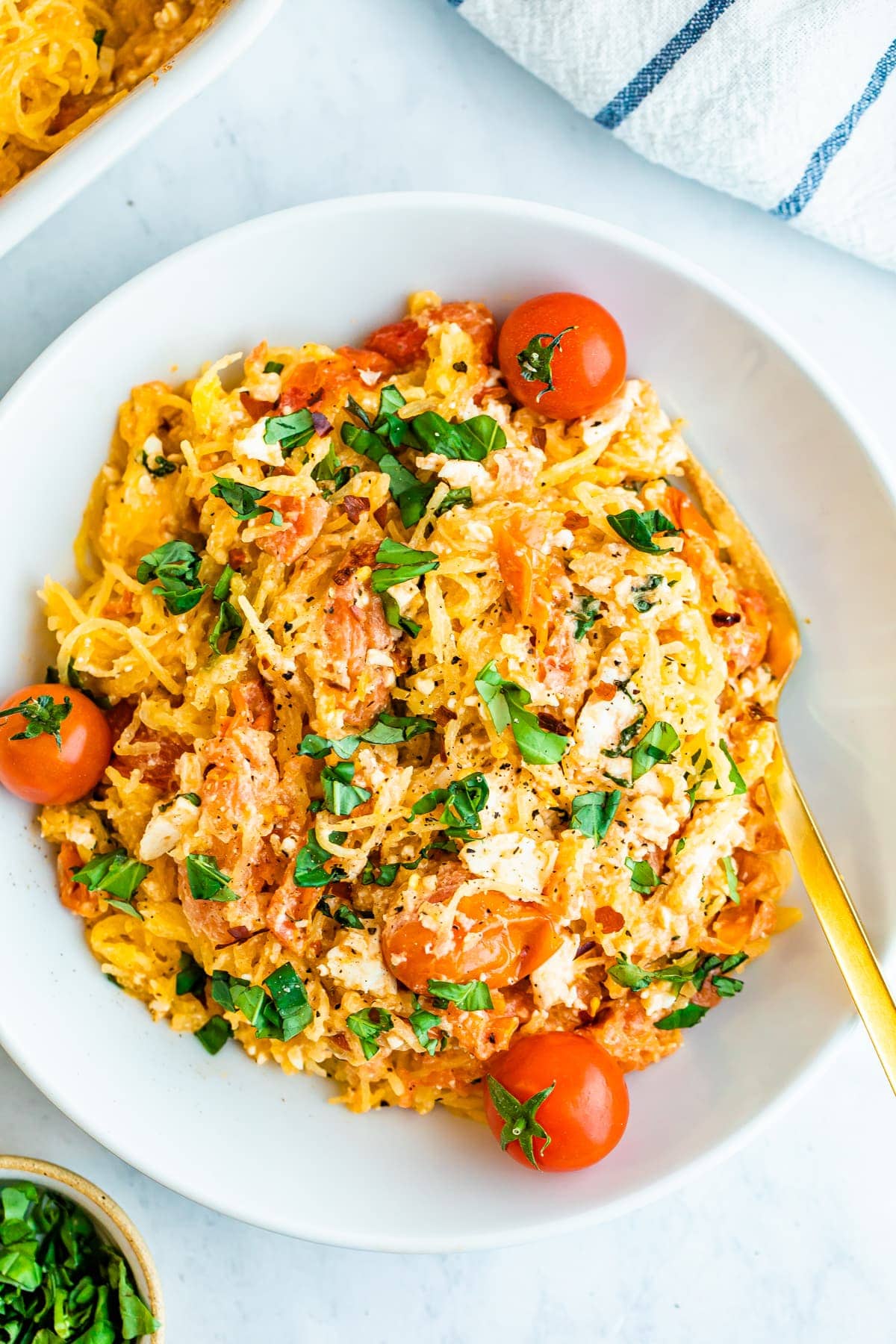
    In my 5 years of experience as a chef, I’ve learned that simplicity often leads to the most delightful culinary surprises. The first bite of this dish was nothing short of a revelation. The creamy, tangy feta beautifully melded with the tender strands of spaghetti squash, while the burst of sweetness from the roasted cherry tomatoes added a layer of complexity. It’s a dish that has since become a staple in my kitchen, a go-to for both cozy dinners and gatherings with friends. And now, I’m thrilled to share this recipe with you, hoping it brings the same warmth and satisfaction to your table.

    Why You’ll Love This Recipe

    • Low-carb and gluten-free, perfect for those seeking lighter meal options.
    • Rich in Omega-3s, aiding in cognitive function and focus.
    • Quick and easy to prepare, ideal for busy weeknights.
    • Versatile enough to serve as a main dish or a side.
    • Deliciously creamy without the need for heavy cream or butter.

    Detailed Ingredients

    Before you hit the market, here’s what you’ll need:

    • 1 medium spaghetti squash (approximately 1.2 kg) – Look for a squash with a firm, unblemished skin.
    • 200g block of feta cheese – Opt for a high-quality, full-fat feta for maximum creaminess.
    • 500g cherry tomatoes – Choose vibrant, firm tomatoes for the best flavor.
    • 3 tablespoons olive oil – Extra virgin olive oil will impart the richest flavor.
    • Salt and freshly ground black pepper – To taste.
    • 2 cloves garlic, minced – Fresh garlic is key for an aromatic punch.
    • 1 lemon, zested – Adds a fresh, zesty note to the dish.
    • 1 teaspoon crushed red pepper – Adjust according to your spice preference.
    • Fresh basil leaves for garnish – Adds a burst of color and freshness.

    Step-by-Step Instructions

    Let’s dive into the cooking process:

    1. Preheat Your Oven

    First things first, preheat your oven to 400°F (200°C). This temperature ensures that the squash becomes tender while the feta melts to perfection.

    2. Prepare the Spaghetti Squash

    Using a sharp knife, carefully cut the spaghetti squash in half lengthwise. Scoop out the seeds with a spoon. Chef’s Tip: Drizzle a bit of olive oil and a pinch of salt on the cut sides before placing them face-down on a baking sheet. Roast in the oven for about 40 minutes. You’ll know it’s ready when the flesh easily separates into strands with a fork.

    3. Assemble the Ingredients

    In a large baking dish, arrange the cherry tomatoes around the edges. Nestle the block of feta in the center. Drizzle with olive oil, and season generously with salt and pepper. Toss the tomatoes around to ensure they’re evenly coated.

    4. Bake Until Perfection

    Place the dish in the oven and bake for 30 minutes. You’ll want the tomatoes to burst and the feta to become soft and golden. The aromas wafting from your oven will be irresistible!

    5. Add the Flavor Boosters

    Once baked, remove the dish from the oven. Sprinkle minced garlic, lemon zest, and crushed red pepper over the feta and tomatoes. Stir gently to combine, allowing the residual heat to soften the garlic.

    6. Combine with Spaghetti Squash

    Using a fork, scrape the spaghetti squash into long strands. Measure out about 4 cups of the squash and add it to the baking dish. Toss everything together until the squash is well coated with the feta and tomato mixture.

    7. Serve and Garnish

    Portion the dish onto plates, garnishing with fresh basil leaves. For an extra touch, sprinkle with more crushed red pepper and cracked black pepper. Serve immediately and enjoy the symphony of flavors.

    Common Mistakes to Avoid

    • Over-roasting the squash: Keep an eye on the squash to avoid it becoming mushy. It should be tender yet firm enough to hold its shape.
    • Under-seasoning: Don’t skimp on the salt and pepper. These simple seasonings bring out the flavors of the tomatoes and feta.
    • Using low-quality feta: A good-quality feta makes all the difference. Avoid pre-crumbled varieties as they lack the creaminess of a block.

    How to Store & Reheat

    Store any leftovers in an airtight container in the refrigerator for up to 3 days. To reheat, place in a preheated oven at 350°F (175°C) for about 10 minutes, or until warmed through. Alternatively, microwave on medium heat, stirring occasionally.

    Ingredient Substitutions

    Need to swap out an ingredient? Here are some safe substitutions:

    • Feta cheese: Try goat cheese or ricotta for a milder flavor.
    • Cherry tomatoes: Grape tomatoes or even chopped Roma tomatoes work well.
    • Spaghetti squash: Zucchini noodles can be a quick alternative.

    Nutrition Facts

    • Calories: Approximately 381 kcal per serving
    • Protein: 14g
    • Fat: 24g
    • Carbohydrates: 25g
    • Serving Size: 1/4 of the dish

    Frequently Asked Questions

    1. Can I make this dish vegan?
      Yes, substitute the feta with a vegan cheese alternative and ensure your toppings are plant-based.
    2. Is this recipe keto-friendly?
      It’s relatively low in carbs, but check the carb content of your specific ingredients to ensure it fits your dietary needs.
    3. Can I freeze this dish?
      While it’s possible, the texture of the squash may change upon thawing. It’s best enjoyed fresh or refrigerated.
    4. What can I serve with this dish?
      Pair it with a simple green salad or grilled chicken for a more substantial meal.
    5. Can I add other vegetables?
      Absolutely! Bell peppers or mushrooms can be roasted alongside the tomatoes for added flavor.

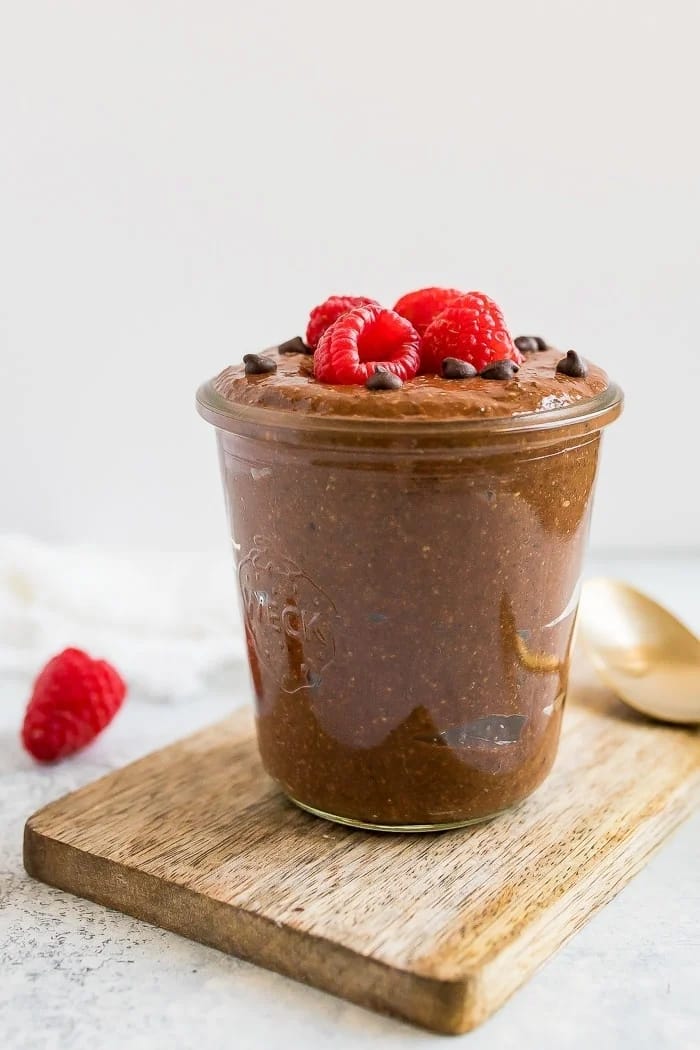
  • Brain Fuel: Choco-Chia Mousse

    Brain Fuel: Choco-Chia Mousse

    Introduction & My Personal Story

    When I think of comfort food that’s also a brain booster, my mind drifts to the creamy, delightful flavors of Chocolate Chia Mousse. My journey with this recipe began a few years back during a particularly hectic week. I was juggling a new job, late-night deadlines, and trying to maintain a healthy lifestyle. In the midst of the chaos, I stumbled upon the magic of chia seeds and their incredible nutritional benefits. It was then that I decided to marry them with my love for chocolate, creating a dessert that was not only indulgent but also packed with nutrients.

    In my 5 years of experience as a chef, I have found that the best recipes are those that balance taste with health benefits. This mousse became my go-to recipe for a quick yet satisfying dessert that didn’t leave me feeling guilty. I remember the first time I served it to friends, their eyes widened with surprise at how something so delicious could be so healthy. The secret? The Omega-3s and fiber from the chia seeds, combined with the rich taste of cocoa, created a dessert that was both satisfying and energizing.

    Now, every time I make this mousse, I am reminded of those hectic days and how a simple dish can bring a sense of calm and focus. It’s a recipe that’s close to my heart, and I’m thrilled to share it with you. Whether you’re looking to boost your productivity or simply indulge in a tasty treat, this Choco-Chia Mousse is sure to become a staple in your kitchen.

    Why You’ll Love This Recipe

    • Quick and easy to prepare with minimal ingredients.
    • Packed with Omega-3s and fiber for brain health.
    • Rich chocolate flavor without the guilt.
    • Perfect for breakfast, dessert, or a mid-day snack.
    • Customizable with your favorite toppings.

    Detailed Ingredients

    • 1 cup (240 ml) unsweetened almond milk
    • 1/3 cup (60 g) chia seeds
    • 2 tablespoons (30 ml) pure maple syrup
    • 2 tablespoons (10 g) unsweetened cocoa powder
    • 1 teaspoon (5 ml) vanilla extract
    • Pinch of salt

    When shopping, look for fresh, plump chia seeds and high-quality cocoa powder for the best flavor. Organic maple syrup is recommended for its pure taste.

    Step-by-Step Instructions

    Step 1: Blend Ingredients

    Begin by pouring 1 cup of unsweetened almond milk into a high-powered blender. Add 1/3 cup of chia seeds, 2 tablespoons of pure maple syrup, 2 tablespoons of cocoa powder, 1 teaspoon of vanilla extract, and a pinch of salt. Start blending at a low speed, gradually increasing to high. Blend until the chia seeds are nearly undetectable, and the mixture is smooth and silky. Scrape down the sides of the blender as needed to ensure everything is well incorporated.

    Step 2: Set and Chill

    Once blended, the mousse should be thick and creamy. If you prefer it chilled, transfer the mixture to a resealable container. Cover and refrigerate for 3-4 hours, allowing the chia seeds to absorb the liquid and thicken the mousse further. Chef’s Tip: For a quicker set, place the mousse in the freezer for 30 minutes before refrigerating.

    Step 3: Serve and Enjoy

    Once the mousse has set, give it a quick stir to ensure a consistent texture. Serve in individual bowls or glasses, and feel free to top with fresh berries, a sprinkle of nuts, or a dollop of whipped cream if you’re feeling indulgent. Enjoy this nutritious treat as a dessert or a pick-me-up snack!

    Common Mistakes to Avoid

    • Not blending long enough: Ensure the chia seeds are fully broken down for a smooth texture.
    • Using low-quality cocoa: Opt for high-quality cocoa powder for the best chocolate flavor.
    • Skipping the chill time: Allow the mousse to set properly for the best consistency.

    How to Store & Reheat

    Store any leftover mousse in an airtight container in the refrigerator for up to 5 days. If you wish to enjoy it warm, gently reheat in the microwave on low power for 20-30 seconds, stirring in between to maintain its creamy texture. However, this mousse is best enjoyed chilled.

    Ingredient Substitutions

    • Almond milk: Substitute with any plant-based milk like coconut or oat milk.
    • Maple syrup: Use honey or agave syrup if preferred.
    • Cocoa powder: Swap with cacao powder for a more intense chocolate flavor.

    Nutrition Facts

    • Calories: 233 kcal (per 1/3 recipe)
    • Protein: 6g
    • Fat: 12g
    • Carbohydrates: 25g
    • Serving Size: 1/3 of the recipe

    Frequently Asked Questions

    • Can I make this recipe vegan? Yes! This recipe is naturally vegan as it uses plant-based milk and maple syrup.
    • How can I make the mousse thicker? Add an additional tablespoon of chia seeds if you prefer a thicker consistency.
    • Can I use regular milk instead of almond milk? Absolutely, but keep in mind this will change the nutritional profile slightly.
    • Is this recipe gluten-free? Yes, all ingredients used are naturally gluten-free.
    • Can I add protein powder? Yes, a scoop of chocolate or vanilla protein powder can be added for extra protein.

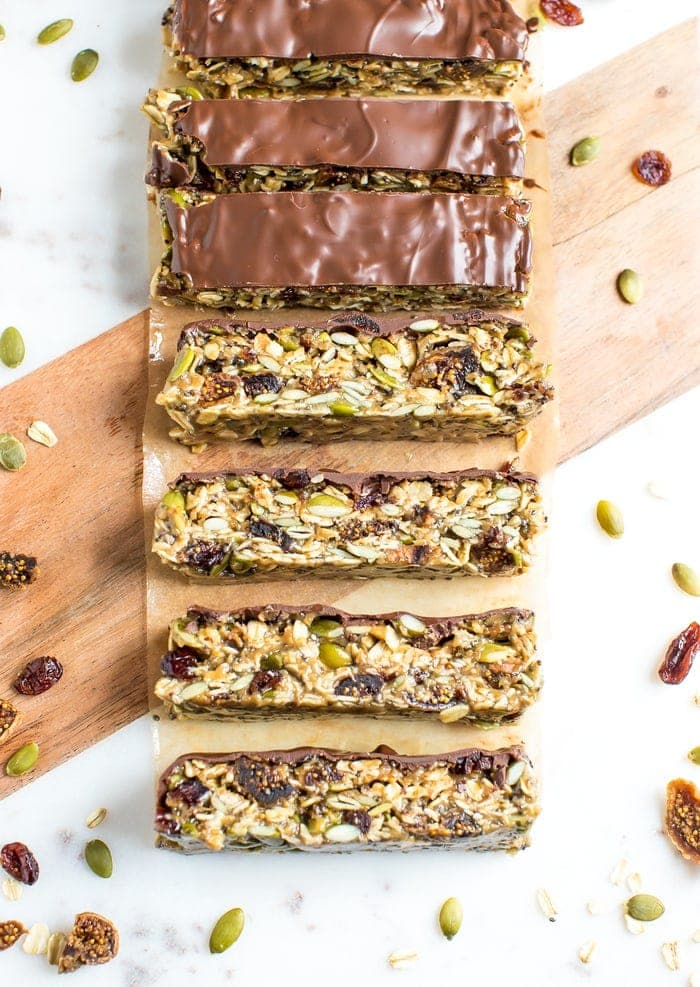
  • Brain Fuel: Fig Tahini Bars

    Brain Fuel: Fig Tahini Bars

    Introduction & My Personal Story

    Growing up in a bustling household, I often found myself searching for snacks that were both nutritious and delicious. My mother, a culinary enthusiast herself, introduced me to the wonders of figs and tahini at a young age. She would often prepare these delectable bars as a quick energy boost for us kids during our study sessions. Fast forward to my years as a professional chef, I revisited this childhood favorite with a twist, creating what I now call “Brain Fuel: Fig Tahini Bars”. These bars are a nostalgic nod to my past, yet a modern take on fueling the mind and body. In my 5 years of experience as a chef, I’ve come to appreciate how certain ingredients can significantly impact our focus and energy levels. The combination of figs, rich in fiber, and tahini, packed with healthy fats, creates a perfect balance for sustained energy. Whether you’re gearing up for a busy workday or need a mid-afternoon pick-me-up, these bars are a testament to how food can be both functional and flavorful. Let me walk you through this recipe that has been a staple in my kitchen and hopefully, will become a staple in yours too.

    Why You’ll Love This Recipe

    • Quick and Easy: No baking required, ready in just 15 minutes.
    • Nutritious: Packed with Omega-3s, fiber, and healthy fats.
    • Customizable: Easily swap ingredients to suit dietary needs.
    • Great for On-the-Go: Perfect for busy mornings or a quick snack.
    • Kid-Friendly: A healthy treat that children will love.

    Detailed Ingredients

    For these bars, you’ll need to gather the following ingredients. Be sure to select quality produce for the best results.

    • 1 cup old-fashioned rolled oats (100g) – Look for oats that are whole and not instant for better texture.
    • 1 cup dried figs, chopped (150g) – Ensure they are soft and pliable for easy mixing.
    • ½ cup pepitas (pumpkin seeds) (65g) – These should be fresh and free of any added salt.
    • ½ cup tahini (120ml) – Choose a smooth, well-mixed tahini for even consistency.
    • ¼ cup honey (60ml) – Opt for raw honey if possible for a richer flavor.
    • 2 tbsp ground flaxseed (14g) – Provides essential Omega-3 fatty acids.
    • 2 tbsp chia seeds (24g) – Adds a nutritional punch with fiber and protein.
    • 1 tsp vanilla extract (5ml) – Pure vanilla extract will impart the best aroma.
    • ½ tsp cinnamon (1g) – Freshly ground cinnamon will enhance the sweetness.
    • ¼ tsp sea salt (1g) – Balances the flavors beautifully.
    • ½ cup chocolate chips (optional) (90g) – Use dark chocolate for a healthier option.
    • 1 tsp coconut oil (optional) (5ml) – Helps in melting the chocolate smoothly.

    Step-by-Step Instructions

    Now that you have your ingredients ready, let’s dive into the preparation of these bars.

    Step 1: Prepare the Pan

    Line a loaf pan with parchment paper, allowing some overhang on the sides. This will make it easier to lift the bars out once set. A 9×5 inch pan works perfectly for this recipe.

    Step 2: Combine Ingredients

    In a large mixing bowl, add the **rolled oats**, **chopped figs**, **pepitas**, **tahini**, **honey**, **ground flaxseed**, **chia seeds**, **vanilla extract**, **cinnamon**, and **sea salt**. Using a sturdy spatula, mix all the ingredients until they are well combined. The mixture should be sticky and hold together when pressed.

    Step 3: Form the Bars

    Transfer the combined mixture into the prepared loaf pan. Use the back of a spoon or your hands to press the mixture firmly and evenly into the pan. It’s important to compact it well to ensure the bars hold together.

    Step 4: Melt Chocolate (Optional)

    If you’re adding a chocolate layer, place the **chocolate chips** and **coconut oil** in a microwave-safe bowl. Heat in 30-second intervals, stirring after each, until the chocolate is fully melted and smooth.

    Step 5: Add Topping

    Pour the melted chocolate over the pressed mixture in the pan. Use the back of a spoon to spread it evenly across the surface. This will create a delicious chocolate layer on top of the bars.

    Step 6: Chill and Cut

    Place the pan in the refrigerator for about 30 minutes to allow the bars to set. Once they are firm, lift them out of the pan using the parchment paper and cut into 8 equal bars.

    Step 7: Storage

    Store these bars in an airtight container in the refrigerator for up to a week. They taste best when enjoyed cold or at room temperature.

    Common Mistakes to Avoid

    • Not pressing the mixture firmly enough: This can cause the bars to crumble. Make sure to compact the mixture well in the pan.
    • Using instant oats: These can make the bars too soft. Stick to old-fashioned rolled oats for the right texture.
    • Skipping the chilling step: Allowing the bars to set in the fridge is crucial for them to hold their shape.
    • Forgotten parchment paper: This makes removing the bars difficult. Always line your pan.

    How to Store & Reheat

    To keep your Fig Tahini Bars fresh, store them in an airtight container in the refrigerator. They will stay fresh for up to a week. If you prefer them warm, you can let them sit at room temperature for a few minutes before eating. However, avoid microwaving as it can melt the chocolate topping and alter the texture.

    Ingredient Substitutions

    Whether you’re out of an ingredient or need to adjust for dietary preferences, here are some substitutions you can make:

    • Dried figs: Swap with dried apricots or dates for a different flavor.
    • Tahini: Use almond butter or sunflower seed butter for a nutty twist.
    • Honey: Agave syrup or maple syrup can work as vegan alternatives.
    • Pepitas: Substitute with sunflower seeds or chopped nuts.

    Nutrition Facts

    • Calories: 241 kcal per bar
    • Protein: 7g
    • Fat: 12g
    • Carbohydrates: 28g
    • Serving Size: 1 bar

    Frequently Asked Questions

    • Can I freeze these bars? Yes, you can freeze them for up to 3 months. Wrap each bar individually and store in a freezer-safe bag.
    • Are these bars gluten-free? Yes, as long as you use certified gluten-free oats, these bars are gluten-free.
    • Is there a way to make these bars less sweet? You can reduce the amount of honey or use a less sweet dried fruit like apricots.
    • Can I omit the chocolate topping? Absolutely, the bars are delicious even without the chocolate layer.
    • What’s the best way to cut the bars? Use a sharp knife and clean it between cuts for neat edges.

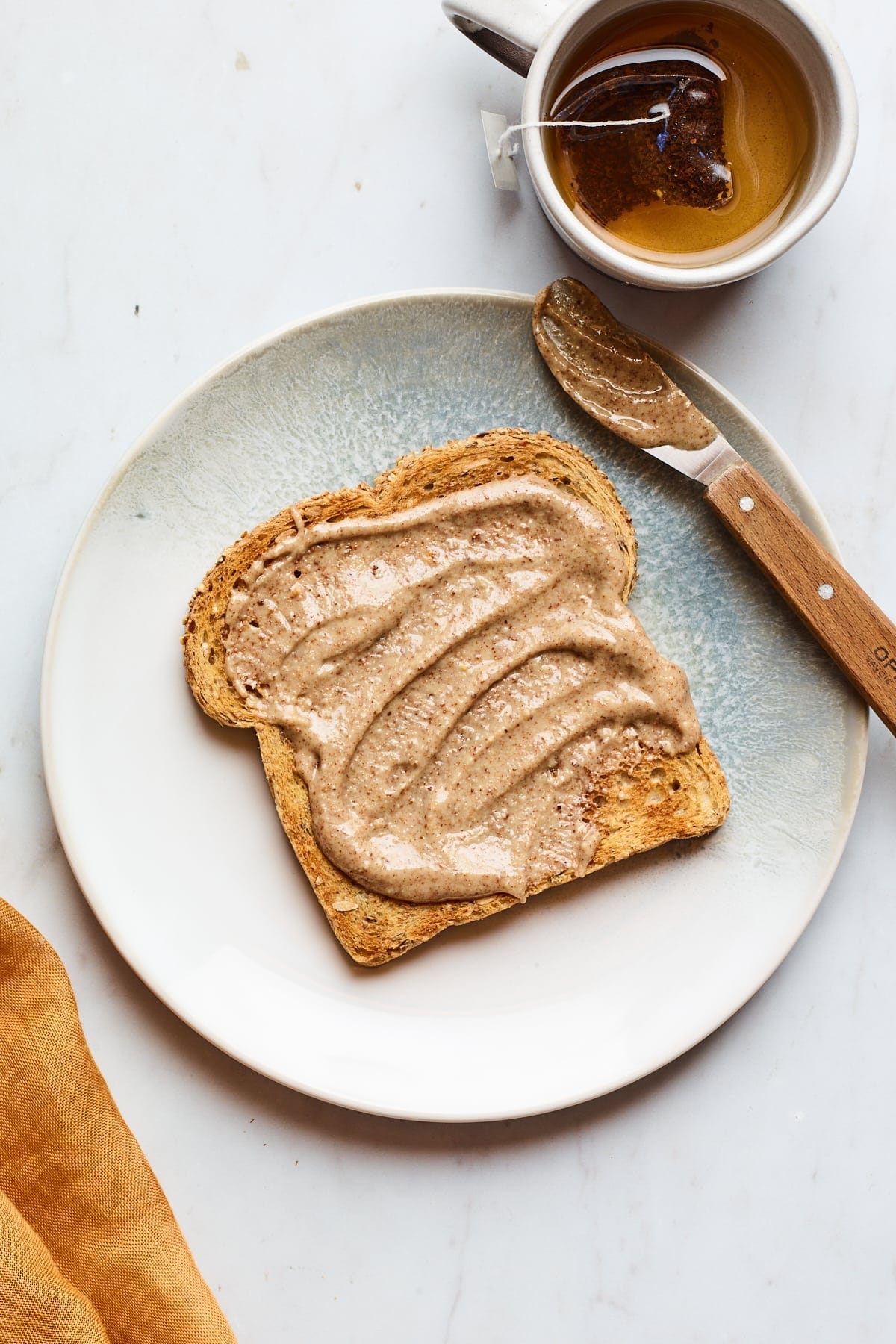
  • Brain Fuel: Almond Butter Bliss

    Brain Fuel: Almond Butter Bliss

    Introduction & My Personal Story

    There’s something truly magical about the comforting aroma of roasted almonds wafting through the kitchen. It takes me back to my childhood, sitting at the kitchen counter, watching my grandmother meticulously prepare her famous almond butter. She always said it was her secret weapon for staying sharp and energetic throughout the day. As I grew older and embarked on my culinary journey, I realized just how right she was. Almond butter isn’t just delicious; it’s a powerhouse of nutrients that fuels both body and mind.

    In my 5 years of experience as a chef, I’ve experimented with countless variations of almond butter, but nothing quite compares to the pure, unadulterated bliss of homemade. It’s a simple process, yet incredibly rewarding. Each batch holds a special place in my heart, much like the fond memories of those afternoons with my grandmother. Today, I’m excited to share with you my perfected recipe for Almond Butter Bliss—a true brain fuel that will elevate your daily routine.

    Why You’ll Love This Recipe

    • **Superior Flavor**: Homemade almond butter offers a rich, nutty taste that store-bought versions simply can’t match.
    • **One Ingredient Wonder**: Made with just raw almonds, it’s as pure as it gets.
    • **Versatile Uses**: Perfect for spreading on toast, blending into smoothies, or even baking.
    • **Nutrient-Packed**: High in healthy fats, protein, and essential vitamins.
    • **Customizable**: Adjust the texture and flavors to suit your preferences.

    Detailed Ingredients

    To create your own Almond Butter Bliss, you’ll need the following ingredients:

    • Raw Almonds: 4 cups (approximately 600 grams). Look for fresh, high-quality almonds with a uniform color and no visible blemishes.
    • Neutral Oil: Optional, 1-2 teaspoons (e.g., avocado oil or coconut oil) for achieving the desired smoothness.
    • Optional Add-ins: Maple syrup, honey, cinnamon, vanilla extract, or cocoa powder for added flavor.

    Step-by-Step Instructions

    Let’s dive into the step-by-step process of making Almond Butter Bliss:

    Step 1: Preheat and Roast

    Begin by preheating your oven to 350°F (175°C). Spread the raw almonds evenly on a baking sheet. Roast them for 8-10 minutes, keeping a close eye to ensure they don’t burn. You’ll know they’re ready when they turn a light golden brown and emit a warm, nutty aroma. Allow them to cool to room temperature before moving to the next step.

    Step 2: Process the Almonds

    Transfer the cooled almonds to a food processor fitted with the S blade. Process the almonds for 15-25 minutes. Initially, the almonds will break down into a coarse meal. As you continue, they’ll form a ball, and eventually, a smooth almond butter will emerge. Stop periodically to scrape down the sides of the processor to ensure even blending. Patience is key here!

    Step 3: Adjust Texture with Oil

    If after 20 minutes your almond butter is still grainy, add 1 teaspoon of neutral oil at a time until you achieve the creamy texture you desire. Remember, the goal is a silky smooth consistency that spreads easily.

    Step 4: Blender Alternative

    If you have a high-powered blender like a Vitamix, you can achieve the same results with less processing time. Blend the full 4 cups of almonds, adding oil as needed, until smooth. This method is quicker but requires a powerful blender to handle the task.

    Common Mistakes to Avoid

    Making almond butter is straightforward, but there are a few pitfalls to watch out for:

    • Over-Roasting: Be cautious not to roast the almonds too long, as burnt almonds will result in a bitter butter.
    • Impatience: Processing time can vary. Don’t rush the process; let the almonds blend until smooth.
    • Adding Oil Prematurely: Only add oil if necessary, as almonds naturally release their own oils.

    How to Store & Reheat

    To keep your Almond Butter Bliss fresh and ready to use:

    • Storage: Transfer the almond butter to an airtight container and store it in the refrigerator. It will last for up to two weeks.
    • Reheating: If your almond butter becomes too firm in the fridge, let it sit at room temperature for a few minutes before using.

    Ingredient Substitutions

    Here are some safe substitutions if you’re looking to tweak the recipe:

    • Raw Almonds: You can use roasted almonds, but reduce the roasting time to avoid overcooking.
    • Neutral Oil: Substitute with any mild-flavored oil, such as grapeseed or light olive oil.
    • Flavor Add-ins: Experiment with different spices or sweeteners to suit your taste.

    Nutrition Facts

    Here’s a breakdown of the nutrition per 2-tablespoon serving:

    • Calories: 106 kcal
    • Protein: 3g
    • Fat: 9g
    • Carbs: 4g
    • Serving Size: 2 tablespoons

    Frequently Asked Questions

    • Can I use a blender instead of a food processor? Yes, but ensure it’s a high-powered blender to handle the dense almonds.
    • How can I make the almond butter sweeter? Add a teaspoon of maple syrup or honey during processing.
    • Is it necessary to add oil? Not always. Almonds release their own oils, but a small amount can help achieve a smoother texture.
    • Can I freeze almond butter? Yes, it can be frozen for up to 3 months. Thaw it in the refrigerator before use.
    • What if my almond butter is too thick? Gradually add oil, one teaspoon at a time, until the desired consistency is reached.

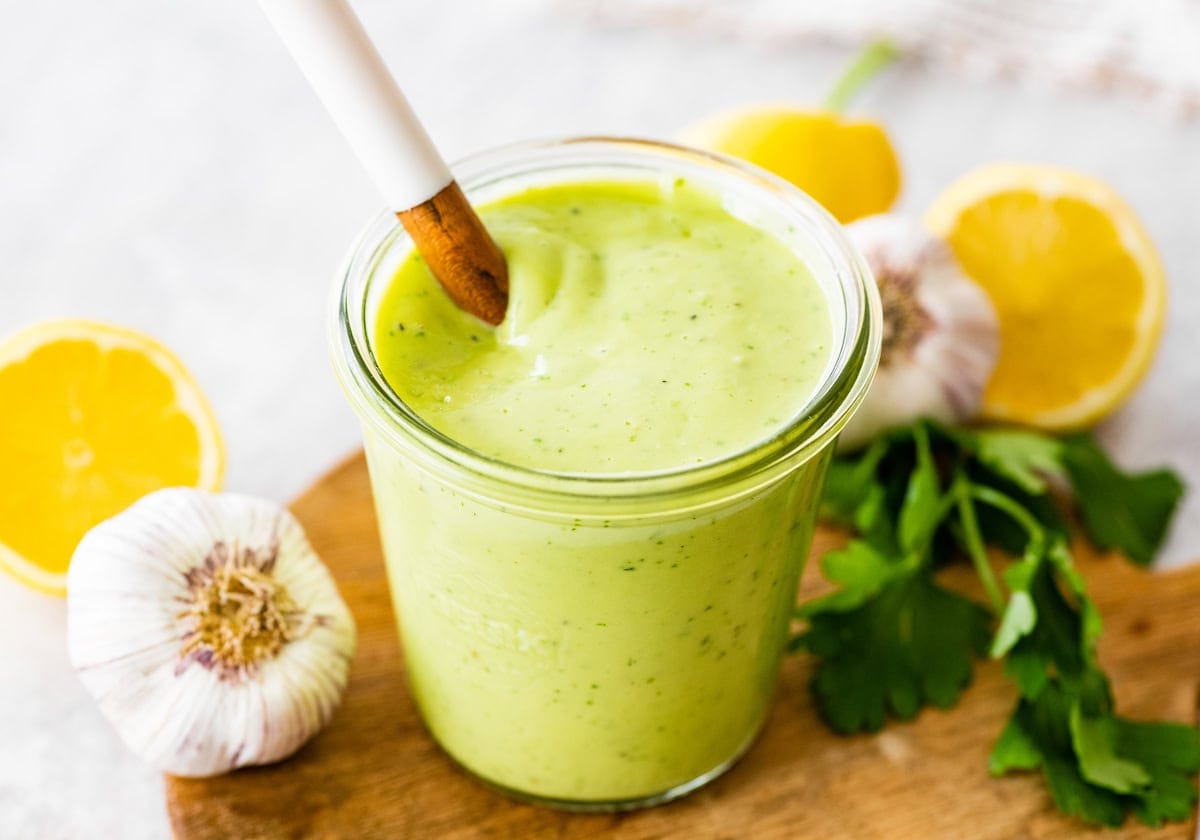
  • Brain Fuel: Creamy Avocado Dressing

    Brain Fuel: Creamy Avocado Dressing

    Introduction & My Personal Story

    Ah, avocados! Just the mere mention of them brings a smile to my face. I remember the first time I tasted an avocado. I was visiting my grandmother in California, where her backyard was a veritable orchard of fresh produce. One sunny afternoon, she handed me a toast topped with a creamy, green spread, and I was hooked. The rich, buttery texture and subtle, nutty flavor were unlike anything I had tasted before. It was love at first bite.

    Fast forward a few years, and avocados became my secret weapon in the kitchen. Among the many dishes I experimented with, the Creamy Avocado Dressing stood out as a game-changer. It was during my early days as a chef, when I was working long hours and needed a quick, nutritious boost. This dressing became my go-to for sprucing up salads, bowls, and even sandwiches. It was a revelation how something so simple could transform an ordinary meal into something extraordinary.

    In my 5 years of experience, I’ve come to appreciate how versatile and forgiving avocados are. They adapt beautifully to a variety of flavors and textures. This dressing is a testament to that versatility, combining the creamy richness of avocado with the tang of lemon and the fresh burst of herbs. It’s a recipe that’s not only delicious but also packed with brain-boosting nutrients. So, let’s dive into this delightful recipe and discover how to bring a touch of California sunshine to your kitchen!

    Why You’ll Love This Recipe

    • Quick & Easy: Ready in just 5 minutes with minimal cleanup.
    • Nutritious: Packed with healthy fats and Omega-3s for brain health.
    • Versatile: Perfect as a salad dressing, dip, or spread.
    • Customizable: Easily adjustable to suit dietary preferences.
    • Delicious: A creamy, flavorful addition to any meal.

    Detailed Ingredients

    • 1 ripe avocado (about 150g) – Look for avocados that yield slightly to gentle pressure, indicating ripeness.
    • ½ cup (120g) Greek yogurt – Opt for full-fat or 2% for a creamier texture.
    • 2 tablespoons (30ml) lemon juice – Freshly squeezed for the best flavor.
    • 2 tablespoons (30ml) olive oil – Choose extra virgin for a richer taste.
    • 1 clove garlic – Peeled and minced for a subtle kick.
    • ¼ cup (15g) fresh parsley – Or substitute with cilantro or basil for a different flavor profile.
    • Salt and pepper – To taste, for seasoning.
    • Water – As needed to adjust consistency.

    Step-by-Step Instructions

    Step 1: Prepare the Avocado

    Start by slicing the avocado in half and removing the pit. Using a spoon, scoop the flesh into a blender or food processor. Chef’s Tip: If the avocado is ripe, it should come out easily without much resistance.

    Step 2: Add Ingredients

    To the blender, add the Greek yogurt, lemon juice, olive oil, minced garlic, and chopped parsley. Season with a pinch of salt and pepper. These components will create a harmonious blend of creamy, tangy, and herby flavors.

    Step 3: Blend

    Process the mixture on high speed until it’s smooth and creamy. You may need to stop and scrape down the sides of the blender to ensure everything is well combined. The consistency should be thick but pourable. If it’s too thick, add a tablespoon of water at a time until you reach your desired consistency.

    Step 4: Taste and Adjust

    Give the dressing a taste and adjust the seasoning as necessary. You might want to add more salt or a splash of lemon juice for extra tang. Remember, flavors tend to mellow after chilling, so don’t be afraid to season boldly.

    Step 5: Store

    Transfer the dressing to an airtight container. To prevent browning, press a piece of parchment or plastic wrap directly onto the surface before sealing. Store in the refrigerator for up to 3-4 days.

    Common Mistakes to Avoid

    Using Unripe Avocados: An unripe avocado will result in a lumpy, bitter dressing. Ensure your avocado is ripe and creamy.

    Over-Blending: While you want a smooth consistency, over-blending can introduce too much air, making the dressing too fluffy. Blend just until combined.

    Incorrect Seasoning: Under-seasoning can lead to a bland dressing. Taste and adjust as necessary, keeping in mind that flavors develop over time.

    How to Store & Reheat

    Store the dressing in an airtight container in the refrigerator. To minimize browning, cover the surface with parchment or plastic wrap. It will keep fresh for 3-4 days. This dressing is best served cold and does not require reheating. If it thickens in the fridge, stir in a little water to loosen it up before serving.

    Ingredient Substitutions

    • Dairy-Free Option: Replace Greek yogurt with a coconut or cashew-based yogurt.
    • Spice it Up: Add a slice of jalapeño or a pinch of cayenne pepper for a spicy kick.
    • Citrus Twist: Swap lemon juice with lime juice for a different zest.
    • Thicker Version: Omit water if you prefer a thicker dip-like consistency.

    Nutrition Facts

    • Calories: 54 kcal per 2 tablespoons
    • Protein: 1g
    • Fat: 5g
    • Carbs: 3g
    • Serving Size: 2 tablespoons

    Frequently Asked Questions

    Can I freeze this dressing? Freezing is not recommended as the texture of the avocado may change upon thawing.

    What dishes pair well with this dressing? This dressing is versatile and works well with salads, grain bowls, wraps, and as a veggie dip.

    How can I prevent the dressing from turning brown? Cover the surface with a piece of parchment or plastic wrap before sealing the container.

    Is this dressing keto-friendly? Yes, it’s low in carbs and high in healthy fats, making it suitable for a keto diet.

    Can I use a hand blender? Yes, a hand blender will work, but ensure the avocado is very ripe for easy blending.

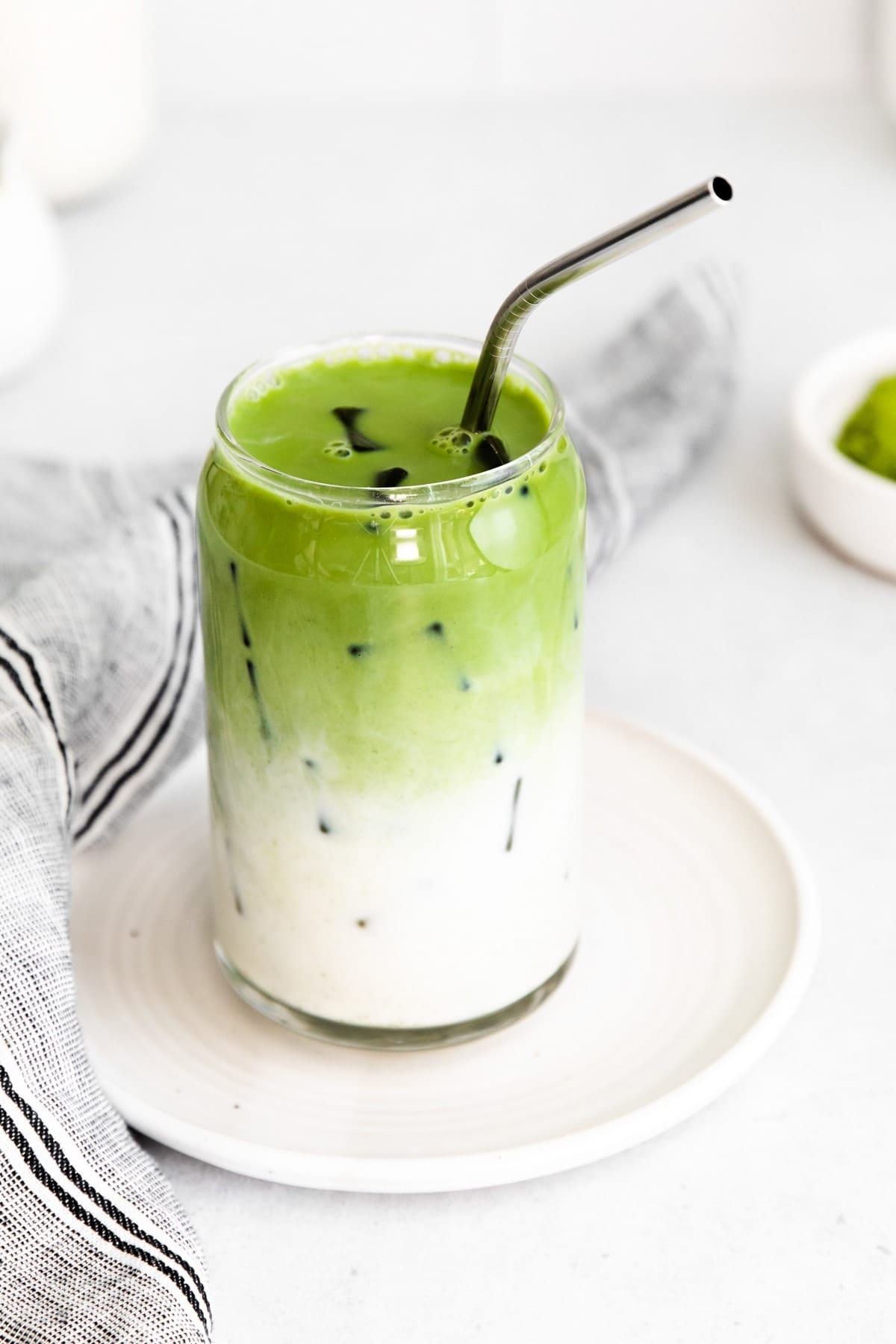
  • Brain Fuel: Iced Matcha Magic

    Brain Fuel: Iced Matcha Magic

    Introduction & My Personal Story

    Let me take you back to a sunny afternoon in Kyoto, where my love affair with matcha began. I was wandering through the bustling Nishiki Market, overwhelmed by the vibrant colors and tantalizing aromas. Amidst the clatter of vendors and the chatter of excited tourists, I stumbled upon a small teahouse tucked away in a quiet corner. There, I experienced my first sip of matcha. The earthy, slightly sweet flavor was unlike anything I’d ever tasted. It was invigorating, refreshing, and, dare I say, magical.

    Fast forward a few years, and I found myself craving that same sense of calm energy, especially during the hustle of my daily routine. That’s when I decided to recreate that Kyoto experience with a modern twist: the Iced Matcha Magic. This recipe is not just a drink; it’s a ritual. In my 5 years of experience as a chef, I’ve learned that the right beverage can set the tone for the entire day. With this recipe, you’ll not only fuel your body but also your mind, making it the perfect companion for those busy mornings or afternoon slumps.

    Why You’ll Love This Recipe

    • Quick and Easy: Ready in just 10 minutes.
    • Health Benefits: Packed with antioxidants and brain-boosting properties.
    • Customizable: Use your favorite milk and sweetener.
    • Refreshing: Perfect for warm days or as an afternoon pick-me-up.

    Detailed Ingredients

    • Hot Water: ½ cup, heated to 110ºF+. This helps dissolve the matcha smoothly.
    • Matcha Powder: 1 teaspoon. Opt for high-quality, ceremonial grade for the best flavor and health benefits.
    • Milk: 1 cup. You can use dairy or plant-based options like oat or almond milk.
    • Sweetener: Optional. Choose from maple syrup, honey, or stevia based on your preference.
    • Ice: Enough to fill your glass. Crushed ice works best for a more chilled experience.

    Step-by-Step Instructions

    Step 1: Prepare the Matcha

    Start by heating ½ cup of water to at least 110ºF. This temperature is crucial to ensure the matcha powder dissolves completely without becoming bitter. Pour the hot water into a small bowl and add 1 teaspoon of matcha powder. Using a bamboo whisk, whisk the mixture vigorously in a zigzag motion until it becomes smooth and frothy. This should take about 1-2 minutes.

    Step 2: Chill the Matcha

    Once you’ve achieved a smooth consistency, place the bowl in the refrigerator to chill for about 10 minutes. This step is essential to prevent the ice from melting too quickly when you pour the matcha over it.

    Step 3: Assemble the Drink

    Fill a tall glass with ice. Pour 1 cup of your chosen milk over the ice. If you like your drinks sweet, add your preferred sweetener at this stage and stir well to combine.

    Step 4: Combine and Serve

    Remove the chilled matcha from the fridge and give it a quick whisk to ensure it’s well-mixed. Pour the matcha over the milk and ice. Stir gently to combine all the elements, and enjoy your refreshing Iced Matcha Magic!

    Common Mistakes to Avoid

    • Using Low-Quality Matcha: Always choose ceremonial-grade matcha for the best flavor and health benefits.
    • Skipping the Chilling Step: This can result in a watered-down drink as the ice melts too quickly.
    • Incorrect Water Temperature: Too hot, and the matcha becomes bitter; too cold, and it won’t dissolve properly.

    How to Store & Reheat

    If you have any leftovers, store the iced matcha in a sealed container in the refrigerator. It will stay fresh for up to 2 days. However, it’s best enjoyed fresh. To reheat, simply whisk it again and pour over fresh ice. Avoid microwaving as it can alter the taste and texture.

    Ingredient Substitutions

    • Milk: Swap dairy milk for any plant-based alternative like soy, almond, or coconut milk.
    • Sweetener: Use agave syrup or coconut sugar as a natural alternative.
    • Matcha Powder: If unavailable, green tea powder can be a substitute, though it lacks the rich flavor of matcha.

    Nutrition Facts

    • Calories: 109 kcal per serving
    • Protein: 2g
    • Fat: 3g
    • Carbohydrates: 12g
    • Serving Size: 1 glass

    Frequently Asked Questions

    • Can I use cold water instead of hot? No, hot water is necessary to dissolve the matcha properly.
    • What’s the best type of milk for this recipe? Any milk works, but oat milk pairs exceptionally well with matcha.
    • How much caffeine is in this drink? Matcha contains about 70mg of caffeine per serving, similar to a cup of coffee.
    • Can I make this drink ahead of time? Yes, but it’s best consumed fresh to enjoy the full flavor and benefits.
    • Is matcha safe for children? Due to its caffeine content, it’s best to consult a pediatrician before serving to children.

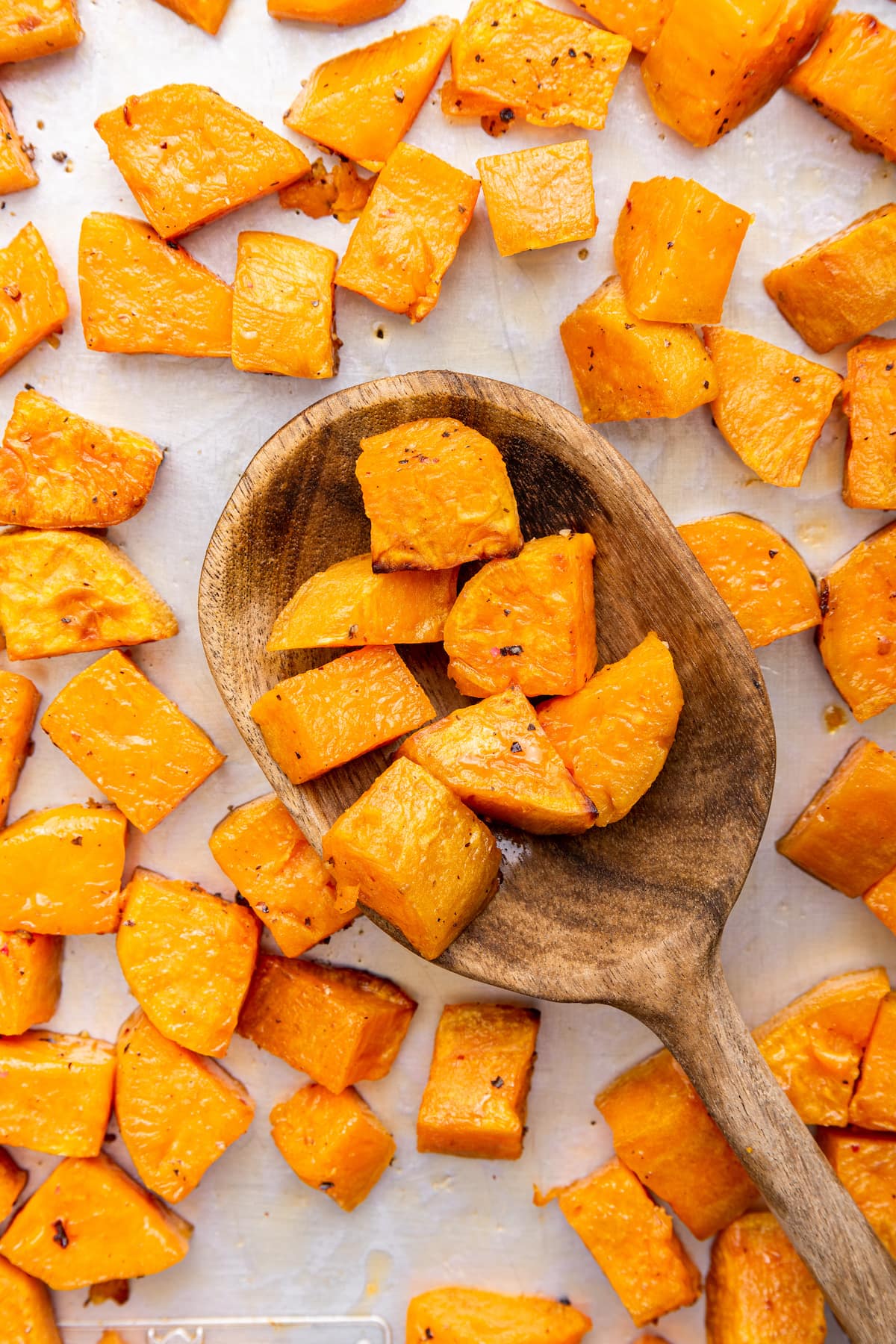
  • Brain Fuel: Sizzling Sweet Potatoes

    Brain Fuel: Sizzling Sweet Potatoes

    Introduction & My Personal Story

    Sweet potatoes have always held a special place in my heart, and this recipe for Sizzling Sweet Potatoes is no exception. I remember the first time I tasted roasted sweet potatoes; it was a chilly autumn evening, and I was visiting my grandmother. She had just pulled a tray of perfectly roasted sweet potatoes from the oven, their caramelized edges glistening in the dim kitchen light. The aroma was intoxicating, a sweet and earthy scent that wrapped around me like a warm blanket.

    In my 5 years of experience as a chef, I’ve come to appreciate the versatility and nutritional benefits of sweet potatoes. They’re not only delicious but also packed with nutrients that are essential for brain health. This recipe has become a staple in my kitchen, not just for its taste but for the energy and focus it provides. Whether you’re preparing for a busy workday or looking for a side dish that complements any meal, these Sizzling Sweet Potatoes are sure to become your go-to recipe.

    Why You’ll Love This Recipe

    • Rich in Omega-3 fatty acids for enhanced brain function.
    • Easy to prepare with minimal ingredients.
    • Perfectly roasted for a crispy outside and tender inside.
    • A versatile side dish that pairs well with any meal.
    • Great for meal prep and stays fresh for up to a week.

    Detailed Ingredients

    • 2 medium-sized sweet potatoes (approximately 500 grams)
    • 1-2 tablespoons of avocado oil or olive oil
    • 1 teaspoon of sea salt
    • 1/2 teaspoon of ground black pepper
    • Optional: 1/2 teaspoon of cinnamon for a sweet twist

    When shopping, look for firm, smooth-skinned sweet potatoes without any blemishes or soft spots.

    Step-by-Step Instructions

    Step 1: Preheat Your Oven

    Begin by preheating your oven to 400°F (200°C). This is the ideal temperature to ensure your sweet potatoes achieve that perfect balance of crispy exterior and soft interior.

    Step 2: Prepare the Sweet Potatoes

    Peel your sweet potatoes using a vegetable peeler. Cut them into evenly-sized chunks, about 1-inch in size. This ensures they cook evenly. Chef’s Tip: Consistent sizing is key to even roasting.

    Step 3: Season the Potatoes

    In a large mixing bowl, combine the sweet potato chunks with 1-2 tablespoons of avocado or olive oil. Add the sea salt and ground black pepper. For a hint of sweetness, sprinkle in some cinnamon. Toss the mixture thoroughly until each piece is well-coated.

    Step 4: Roast to Perfection

    Line a baking sheet with parchment paper for easy cleanup. Spread the seasoned sweet potatoes in a single layer on the sheet. Roast in the preheated oven for 30-45 minutes. Halfway through, toss the potatoes to ensure even cooking. You’ll know they’re done when they’re fork-tender and golden brown on the edges.

    Step 5: Serve and Enjoy

    Remove the sweet potatoes from the oven and let them cool slightly. Adjust the seasoning if necessary. Serve them warm as a side dish, or let them cool completely before storing.

    Common Mistakes to Avoid

    One common mistake is overcrowding the baking sheet, which can lead to steaming rather than roasting. Make sure there’s enough space between each piece for air to circulate. Another pitfall is not tossing halfway through roasting, which ensures even cooking and browning.

    How to Store & Reheat

    Store any leftovers in an airtight container in the refrigerator. They will stay fresh for up to one week. To reheat, spread them on a baking sheet and warm in a 350°F (175°C) oven for about 10 minutes. This helps maintain their crispiness.

    Ingredient Substitutions

    If you’re out of avocado or olive oil, coconut oil works as a great alternative. For a spicy kick, try adding a pinch of cayenne pepper. If you’re avoiding salt, consider using a salt-free seasoning blend.

    Nutrition Facts

    • Calories: 115 kcal per serving
    • Protein: 1g
    • Fat: 5g
    • Carbohydrates: 20g
    • Serving Size: 1/2 cup

    Frequently Asked Questions

    Q: Can I leave the skin on the sweet potatoes?

    A: Absolutely! The skin adds extra fiber and nutrients. Just make sure to wash them thoroughly.

    Q: How can I make these sweet potatoes spicier?

    A: Add a pinch of cayenne pepper or smoked paprika for a spicy twist.

    Q: Can I use this recipe for meal prep?

    A: Yes, these sweet potatoes are perfect for meal prep and can be stored in the fridge for up to a week.

    Q: What other dishes pair well with these sweet potatoes?

    A: They pair beautifully with grilled chicken, fish, or even as a topping for salads.

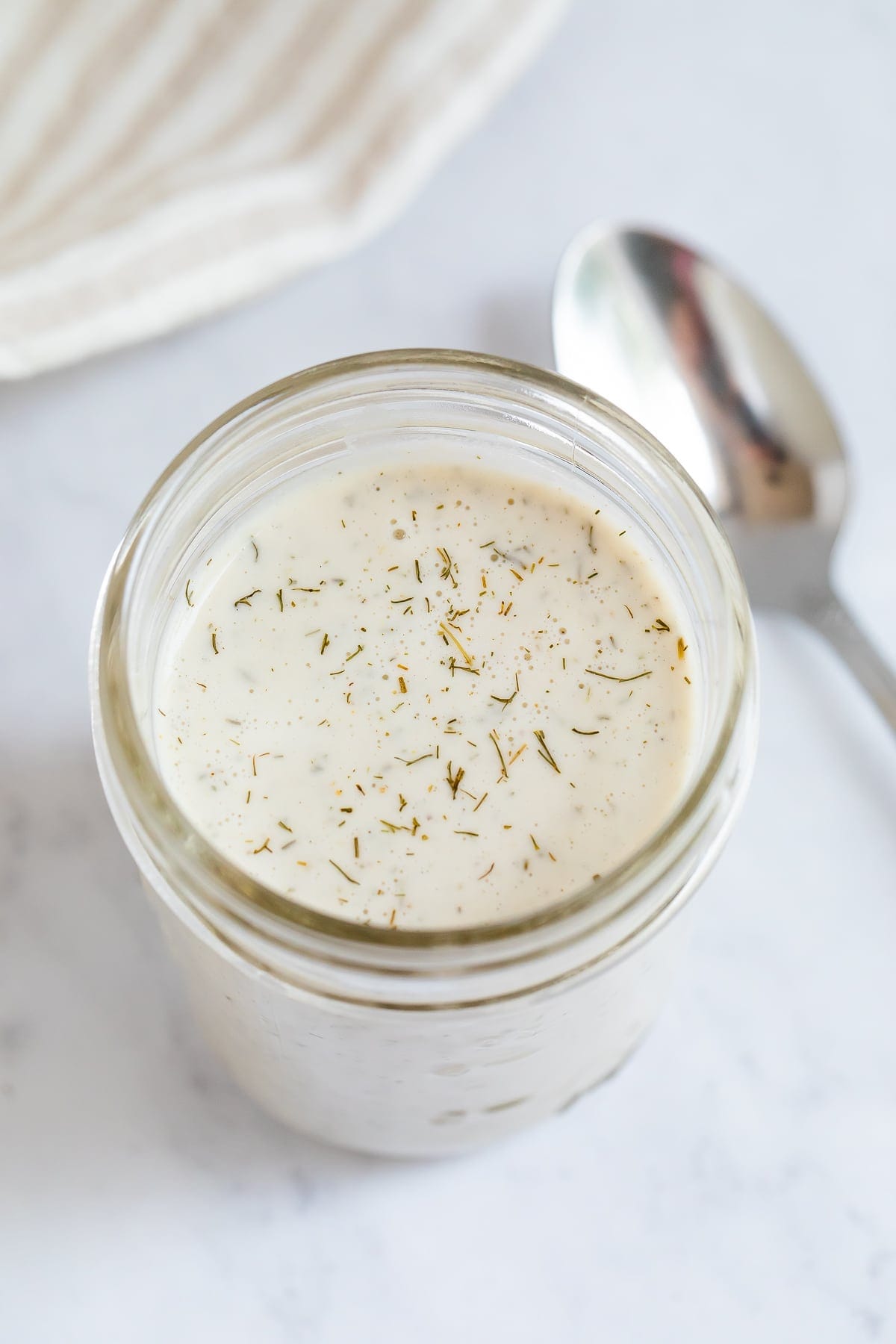
  • Focus Win: Vegan Ranch Dressing

    Focus Win: Vegan Ranch Dressing

    Introduction & My Personal Story

    There’s something magical about recreating a classic dish with a twist, especially when it comes to flavors that bring nostalgia but with a healthier touch. My journey with vegan ranch dressing began about five years ago when I decided to embrace a plant-based lifestyle. Growing up, ranch dressing was a staple in our household. Whether it was drizzled over a fresh salad or used as a dip for crispy veggies, its creamy texture and tangy taste were unbeatable.

    In my 5 years of experience as a chef, I’ve learned that the key to a successful vegan ranch lies in balancing flavors and achieving that perfect creamy consistency without dairy. I remember the first time I served my vegan version to my family; their eyes widened with surprise, and soon enough, they were asking for the recipe. It was a proud moment that solidified my love for creating plant-based alternatives.

    Today, I’m thrilled to share with you my recipe for a focus-boosting, **Vegan Ranch Dressing**. It’s not only delicious but also packed with nutrients that support brain health. Let’s dive into this recipe that I hold close to my heart.

    Why You’ll Love This Recipe

    • Rich in Omega-3 fatty acids for enhanced focus.
    • Completely dairy-free and vegan-friendly.
    • Easy to make with simple, wholesome ingredients.
    • Versatile: perfect as a salad dressing, dip, or sandwich spread.
    • Can be stored in the fridge for up to a week.

    Detailed Ingredients

    To make this vegan ranch dressing, you’ll need the following ingredients:

    • 1 cup of raw **cashews** (soaked for 3-4 hours or quick-soaked by boiling for 15 minutes)
    • 1/2 cup of fresh **water**
    • 2 tablespoons of **apple cider vinegar**
    • 1 tablespoon of dried **dill**
    • 1 tablespoon of dried **parsley**
    • 1 teaspoon of **garlic powder**
    • 1 teaspoon of **onion powder**
    • 1/2 teaspoon of sea **salt**
    • 1/2 teaspoon of **black pepper**

    Chef’s Tip: When selecting cashews, opt for unsalted and raw varieties to control the seasoning better. The freshness of herbs can also enhance the flavor significantly.

    Step-by-Step Instructions

    Step 1: Soak the Cashews

    Begin by soaking 1 cup of raw cashews in water for 3-4 hours. This softens them, making it easier to achieve a creamy texture. If you’re in a hurry, you can quick-soak them by boiling in water for 15 minutes, then draining thoroughly.

    Step 2: Blend the Ingredients

    In a high-speed blender, combine the soaked cashews with 1/2 cup of fresh water. Add 2 tablespoons of apple cider vinegar, 1 tablespoon of dried dill, 1 tablespoon of dried parsley, 1 teaspoon of garlic powder, 1 teaspoon of onion powder, and 1/2 teaspoon each of sea salt and black pepper.

    Step 3: Process Until Smooth

    Blend on high until the mixture is completely smooth and creamy. This may take a few minutes depending on your blender’s power. Scrape down the sides if necessary to ensure all ingredients are well incorporated.

    Step 4: Taste Adjustments

    Taste the dressing and adjust the seasoning to your preference. You may want to add more salt, pepper, or herbs for a stronger flavor profile. Remember, seasoning can vary based on personal preference.

    Step 5: Store

    Transfer the dressing to an airtight container and refrigerate. It will thicken slightly as it chills. This dressing can be stored in the fridge for 5-7 days, maintaining its freshness and flavor.

    Common Mistakes to Avoid

    • **Not soaking the cashews long enough**: This can result in a gritty texture. Ensure they are fully softened.
    • **Over-blending the mixture**: While you want a smooth consistency, over-blending can cause the dressing to become too thick.
    • **Under-seasoning**: Taste as you go. The flavor should be balanced with a slight tanginess from the vinegar.

    How to Store & Reheat

    Store your vegan ranch dressing in an airtight container in the refrigerator. It will last for up to a week. If you notice any separation, simply give it a good shake or a quick stir before using. This dressing is served cold, so there’s no need to reheat it.

    Ingredient Substitutions

    • **Cashews**: Substitute with sunflower seeds for a nut-free version.
    • **Apple cider vinegar**: Lemon juice can be used for a citrusy tang.
    • **Dried herbs**: Fresh herbs can be used, but you may need to adjust quantities for a similar flavor impact.

    Nutrition Facts

    • Calories: 43 kcal per tablespoon
    • Protein: 1g per tablespoon
    • Fat: 3g per tablespoon
    • Carbs: 2g per tablespoon
    • Serving Size: 1 tablespoon

    Frequently Asked Questions

    Q: Can I freeze the vegan ranch dressing?

    A: Freezing is not recommended as it can alter the texture once thawed. It’s best enjoyed fresh from the fridge.

    Q: What dishes pair well with this dressing?

    A: This dressing is incredibly versatile! Use it on salads, as a dip for vegetable sticks, or as a spread for sandwiches and wraps.

    Q: Can I use fresh garlic and onion instead of powder?

    A: Yes, but keep in mind that fresh ingredients may alter the texture and flavor slightly. Adjust according to your taste.

    Q: How can I make this dressing spicier?

    A: Add a pinch of cayenne pepper or a dash of hot sauce for some heat.