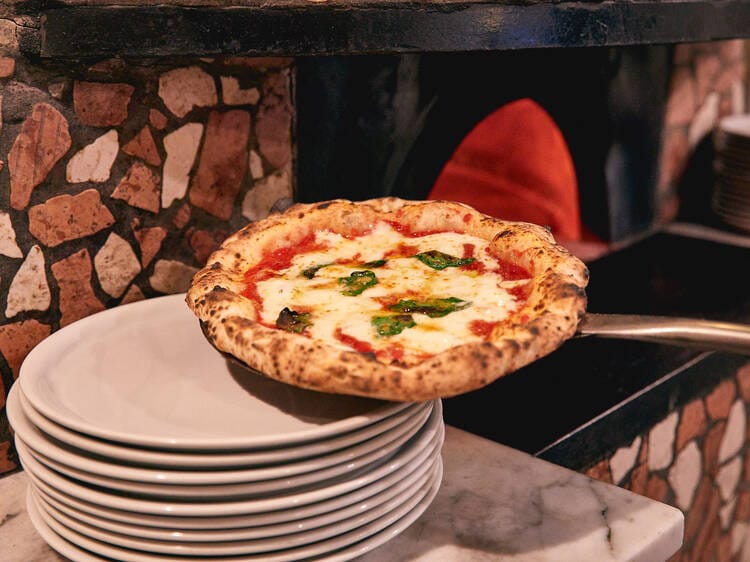
Introduction & My Personal Story
Ah, the Neapolitan pizza. This dish holds a special place in my heart and is the crown jewel of my culinary journey. It was years ago, during my first visit to Naples, that I truly discovered the magic of this humble yet profound dish. Walking through the bustling streets, I was drawn by the aroma of freshly baked pizza wafting through the air. I stumbled upon a small, unassuming pizzeria, where the pizzaiolo worked with a mesmerizing rhythm, stretching and tossing dough with the finesse of a seasoned artist. It was there, seated on a rickety wooden chair, that I tasted my first authentic Neapolitan pizza. The experience was nothing short of transformative.
In my 5 years of experience as a chef, I’ve had the privilege of crafting countless dishes, but the simplicity and elegance of Neapolitan pizza continually captivate me. It’s a dish that embodies the essence of Italian cuisine – using minimal, high-quality ingredients to create something extraordinary. Every time I prepare this pizza, I’m transported back to that first bite in Naples, the delicate balance of flavors dancing on my palate, the crisp yet tender crust, the vibrant tomato sauce, the creamy mozzarella, and the aromatic basil. It’s a dish that tells a story, one of tradition and passion, and I’m thrilled to share this recipe with you, hoping it brings as much joy to your table as it has to mine.
Why You’ll Love This Recipe
- Authentic taste that transports you to the streets of Naples.
- Simple ingredients that highlight the quality of each component.
- Perfect for both novice and experienced cooks.
- Customizable with your favorite toppings while maintaining its traditional roots.
- A fun and rewarding cooking experience that brings people together.
Detailed Ingredients
For the Dough
- “00” Flour: 500 grams (approximately 4 cups) – Look for Italian “00” flour for its fine texture and low protein content.
- Water: 300 ml (1 ¼ cups) – Use cold, filtered water for best results.
- Fine Sea Salt: 15 grams (1 tablespoon) – Enhances flavor and controls yeast activity.
- Fresh Brewer’s Yeast: 1-3 grams (¼ to ½ teaspoon) – Alternatively, use 0.5-1 gram (⅛ to ¼ teaspoon) active dry yeast, rehydrated.
For the Sauce
- San Marzano D.O.P. Crushed Tomatoes: 400 grams (14 oz can) – Seek out these specific tomatoes for their perfect balance of sweetness and acidity.
- Fresh Basil Leaves: 6-8 leaves – Hand-torn to release their natural oils.
- Extra Virgin Olive Oil: 2 tablespoons – Use the highest quality you can find.
- Pinch of Sea Salt: To taste – Complements the natural sweetness of the tomatoes.
For the Topping
- Fresh Mozzarella: 200-250 grams (7-9 oz) – Choose Fior di Latte or Mozzarella di Bufala, well-drained and torn into small pieces.
- Parmigiano-Reggiano (Optional): 20 grams (2 tablespoons) – Freshly grated for an extra layer of umami.
- Extra Virgin Olive Oil: Drizzle for finishing.
- Fresh Basil Leaves: For garnish after baking.
Step-by-Step Instructions
Crafting the Perfect Dough
The dough is the soul of your pizza. Patience and precision are key here.
Step 1: If using dry yeast, dissolve it in 50ml (3 tablespoons) of the cold water and let it sit for 5-10 minutes until foamy. If using fresh yeast, you can dissolve it directly into the water.
Step 2: In a large mixing bowl, combine the remaining cold water with the sea salt. Stir until the salt is fully dissolved.
Step 3: Gradually add about two-thirds of the “00” flour to the water-salt mixture, stirring with a wooden spoon or your hand until a shaggy dough forms.
Step 4: Pour in the activated yeast mixture (or the dissolved fresh yeast). Mix until incorporated.
Step 5: Transfer the dough to a lightly floured surface. Gradually incorporate the remaining flour, kneading for 15-20 minutes. The dough should be smooth, elastic, and no longer sticky. It’s a workout, but crucial for gluten development. Push, fold, turn. Your goal is a smooth, satiny ball.
Step 6: Place the dough in a lightly oiled bowl, cover tightly with plastic wrap or a damp cloth, and let it rest at room temperature (around 20-22°C or 68-72°F) for 2 hours. The dough should visibly increase in size.
Step 7: After 2 hours, transfer the bowl to the refrigerator for 16-22 hours. This slow, cold fermentation develops incredible flavor and makes the dough much easier to handle and digest.
Preparing the Sauce
Neapolitan pizza sauce is minimalist for a reason – to let the quality of the tomatoes shine.
Step 1: Open the can of San Marzano tomatoes. Gently crush them by hand or with a fork in a bowl. Do not blend or process; you want some texture.
Step 2: Add a pinch of sea salt, two tablespoons of good extra virgin olive oil, and the hand-torn fresh basil leaves to the crushed tomatoes. Gently mix. That’s it. No cooking necessary. The heat of the oven will meld the flavors beautifully.
Preparing the Mozzarella
This step is often overlooked but critical for preventing a watery pizza.
Step 1: Remove your fresh mozzarella from its brine at least 1-2 hours before use. Tear it into small, bite-sized pieces.
Step 2: Place the torn mozzarella on a paper towel-lined plate and pat it dry with more paper towels. This removes excess moisture that would otherwise make your pizza soggy.
Shaping the Dough Balls
After cold fermentation, it’s time to divide and shape.
Step 1: Take the dough out of the refrigerator 2-3 hours before you plan to bake. Let it come to room temperature, still covered, to relax the gluten.
Step 2: Gently turn the dough out onto a lightly floured surface. Divide it into four equal portions, about 200-220 grams (7-7.7 oz) each.
Step 3: For each portion, create a smooth, tight ball by folding the edges underneath and gently rotating it against the surface. The goal is to create tension on the surface.
Step 4: Place the dough balls on a lightly floured tray or proofing box, leaving ample space between them. Cover loosely with plastic wrap or a damp cloth and let them proof at room temperature for another 1-2 hours. They should feel airy and slightly expanded.
Stretching the Dough
This is where the artistry begins. NO ROLLING PIN for Neapolitan pizza!
Step 1: Lightly flour your hands and your work surface.
Step 2: Take one dough ball. Gently press it from the center outwards with your fingertips, pushing the air to the edges to form the cornicione (crust).
Step 3: Pick up the dough disc and gently stretch it over your knuckles or by rotating it between your hands, letting gravity do some of the work. Aim for a 25-30 cm (10-12 inch) disc, keeping the edge slightly thicker than the center. Avoid tearing the dough.
Step 4: Carefully transfer the stretched dough to a well-floured pizza peel (or parchment paper if you don’t have a peel). Ensure it can slide easily.
Topping and Baking
Speed and heat are your allies.
Step 1: Preheat your oven to its maximum temperature (usually 250-280°C / 480-550°F) for at least 60 minutes, preferably 90 minutes, with a pizza stone or steel on the top rack.
Step 2: Spoon 2-3 tablespoons of your prepared San Marzano sauce onto the center of the stretched dough. Using the back of the spoon, gently spread it in a spiral motion, leaving a 1-2 cm (½-¾ inch) border for the crust.
Step 3: Distribute the drained mozzarella pieces evenly over the sauce. Add a light dusting of Parmigiano-Reggiano if using.
Step 4: With a swift, confident motion, slide the pizza from the peel onto the preheated pizza stone/steel.
Step 5: Bake for 3-5 minutes, or until the crust is beautifully puffed, blistered, and lightly charred, and the cheese is melted and bubbling with some golden spots.
Step 6: Carefully remove the pizza from the oven using the peel. Drizzle with a little more extra virgin olive oil and scatter a few fresh basil leaves. Slice and serve immediately.
Common Mistakes to Avoid
- Over-kneading: This can make the dough tough. Knead just until smooth and elastic.
- Not preheating the stone/steel: A cold stone will lead to uneven cooking. Preheat for at least an hour.
- Using too much sauce: This can lead to a soggy pizza. Use sparingly.
- Skipping the cold fermentation: This step is crucial for flavor development.
How to Store & Reheat
Store any leftover pizza slices in an airtight container in the refrigerator for up to 3 days. To reheat, preheat your oven to 180°C (350°F) and warm the slices for about 5-7 minutes. For a quicker option, you can use a skillet on medium heat to bring back some crispiness to the crust.
Ingredient Substitutions
- Flour: If you can’t find “00” flour, use all-purpose flour, but be aware the texture may differ slightly.
- Yeast: Active dry yeast can be used in place of fresh yeast. Just ensure it’s properly rehydrated.
- Tomatoes: If San Marzano tomatoes aren’t available, use the best quality canned tomatoes you can find.
- Mozzarella: While fresh is best, a high-moisture, low-moisture mozzarella can be used if necessary, but expect a different texture and flavor.
Nutrition Facts
- Calories: 380 kcal
- Protein: 17 g
- Total Fat: 14 g
- Carbohydrates: 47 g
- Serving Size: 1/4 of a 25cm pizza
Frequently Asked Questions
Q1: Why is my pizza crust so chewy and tough, not light and airy?
A: This is usually due to insufficient kneading or too short a fermentation time. Ensure you’re developing enough gluten and allowing the dough to ferment properly.
Q2: My pizza is always soggy in the middle. How can I prevent this?
A: Make sure your mozzarella is well-drained and avoid overloading the pizza with sauce and toppings. Preheat your oven and stone/steel thoroughly.
Q3: Can I make the dough ahead of time and freeze it?
A: Yes, you can freeze the dough after the initial proof. Thaw in the refrigerator overnight before using.
Q4: What if I don’t have a pizza stone or steel?
A: Use an inverted baking sheet preheated in the oven as an alternative.
Q5: How can I achieve the perfect crust char at home?
A: Preheat your oven as high as possible and use a pizza stone or steel to ensure even, high heat.
Leave a Reply