5-Minute Fuel

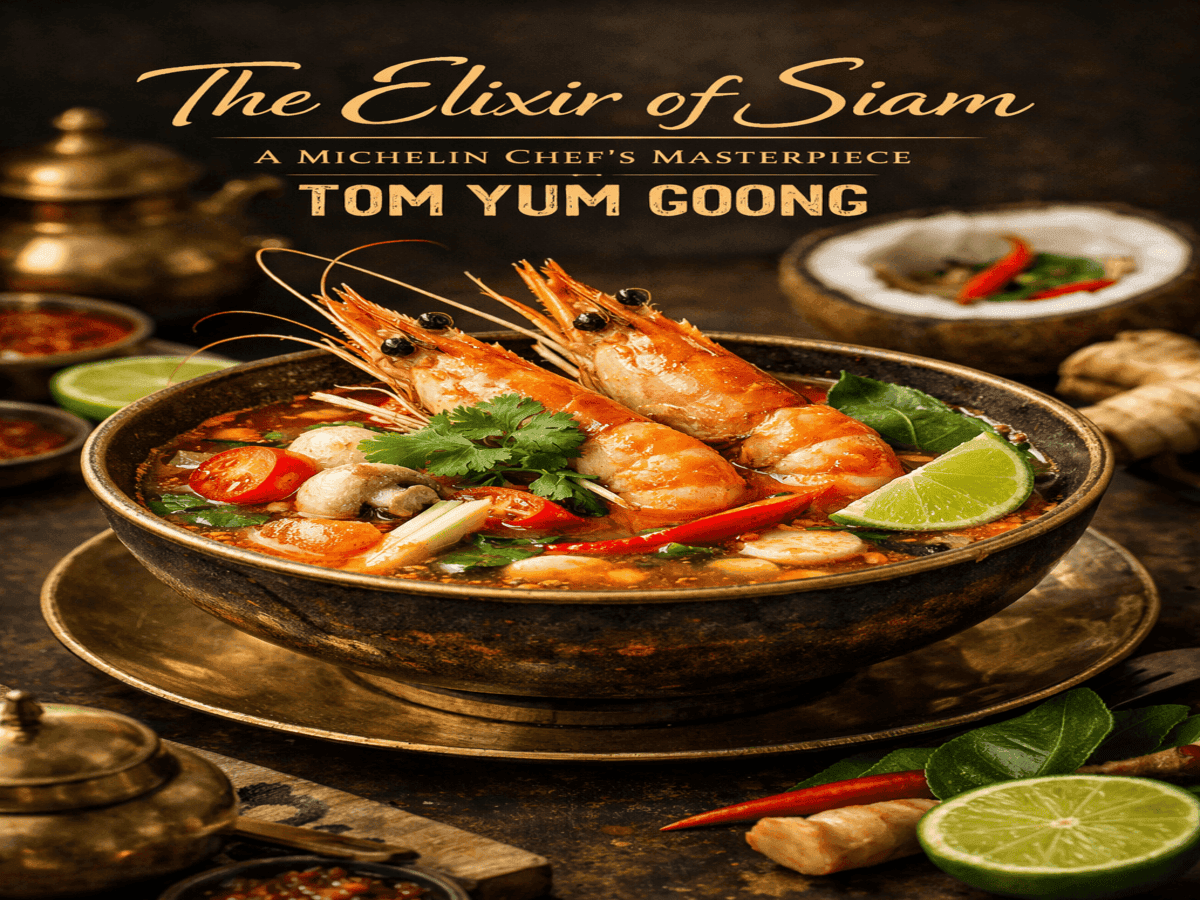
The Elixir of Siam: A Michelin Chef’s Masterpiece Tom Yum Goong

A Culinary Philosophy: The Soul of Tom Yum Goong

Greetings, esteemed gourmand. Tonight, we do not merely cook; we orchestrate an experience. Tom Yum Goong, often dismissed as a simple street-food staple, is in my kitchen elevated to an art form. It is a dish that speaks volumes of its heritage, a vibrant tapestry woven from the very soul of Thai cuisine. My approach, as always, is rooted in an unwavering commitment to quality, precision, and an unyielding respect for the ingredients.

The true magic of Tom Yum Goong lies in its delicate balance – a tightrope walk between the fiery whisper of chilies, the zesty dance of lime, the earthy warmth of galangal, the fragrant embrace of lemongrass, and the profound depth of a perfectly rendered seafood stock. Each element must sing in harmony, contributing to a chorus that is both comforting and exhilarating. We shall not rush this process; instead, we shall savor each step, understanding its purpose and its contribution to the final, exquisite broth.

Forget the shortcuts, the powdered mixes, the pre-made pastes. Our journey begins with the absolute finest, freshest produce, a foundation of slow-simmered stock, and a meticulous hand that understands when to coax, when to infuse, and when to simply allow the ingredients to express their inherent brilliance. This is more than a recipe; it is a meditation, a culinary pursuit of perfection, resulting in a bowl that truly captures the ‘Elixir of Siam.’

The Essential Components: A Symphony of Ingredients

The cornerstone of any exceptional dish lies in the quality of its components. For our Tom Yum Goong, we seek not just ingredients, but characters, each playing a vital role in our grand culinary narrative. Sourcing is paramount; choose wisely, for their freshness and provenance will define the very essence of our soup.

IngredientQuantityPreparation Notes for Perfection
For the Superior Prawn & Chicken Stock:
Prawn Heads & ShellsFrom 12 large prawns (approx. 500g)Rinse thoroughly under cold water. Pat dry. These are crucial for depth of flavor.
Chicken Carcass / WingsApprox. 500gChoose bony parts for maximum collagen and flavor. Rinse well.
Galangal1-inch pieceThinly sliced, lightly bruised. Adds a pungent, peppery, citrusy aroma.
Lemongrass1 stalkTrim root and tough outer layers. Bruise extensively with the back of a knife. Cut into 2-inch pieces.
Kaffir Lime Leaves3-4 leavesTear or gently crush to release aromatic oils. Use fresh, vibrant leaves.
White Peppercorns1 teaspoonLightly crushed.
Garlic Cloves3 clovesPeeled, lightly smashed.
Cilantro RootsFrom 3-4 sprigsScrub clean, bruise lightly. Adds a deep, earthy cilantro flavor.
Filtered Water2 litersThe purest water ensures the purest stock.
For the Tom Yum Goong Broth:
Large Black Tiger Prawns12 pieces (approx. 500g)Choose plump, firm prawns. Heads and shells removed (reserved for stock), deveined, tails left on for presentation. Score the back lightly to allow for even cooking and curled shape.
Galangal1-inch piecePeeled, thinly sliced into rounds.
Lemongrass2 stalksTrimmed, bruised, and cut into 1-inch pieces.
Kaffir Lime Leaves5-6 leavesTorn in half, vein removed, or gently bruised to release aroma.
Bird’s Eye Chilies (Prik Kee Noo Suan)8-12 pieces (to taste)Red and green, stemmed, lightly bruised or sliced diagonally for more heat. Adjust quantity based on desired spice level.
Dried Bird’s Eye Chilies3-4 piecesLightly pan-fried until fragrant, then roughly crushed. Adds a smoky, deeper chili note.
Straw Mushrooms (Hed Fang)150gFresh, small, and firm. Halved if large. If unavailable, use small oyster mushrooms.
Cherry Tomatoes100gHalved. Adds a burst of natural sweetness and acidity.
Fish Sauce (Nam Pla)3-4 tablespoonsUse a high-quality, aged fish sauce for profound umami.
Fresh Lime Juice4-5 tablespoonsFreshly squeezed from fragrant Key limes or regular limes. Crucial for brightness.
Palm Sugar1 teaspoonShaved or finely chopped. Balances the sour and spicy notes.
Chili Jam (Nam Prik Pao)1-2 tablespoonsA high-quality, rich, and fragrant chili jam (store-bought or homemade). Adds depth, sweetness, and a subtle chili kick.
Cilantro LeavesGenerous handfulRoughly chopped, for garnish and fresh aroma.
Vegetable Oil1 tablespoonNeutral-flavored, for sautéing.

The Essential Armory: Kitchen Equipment

Precision demands the right tools. While we rely heavily on technique, these instruments are our allies in achieving perfection.

  • Heavy-bottomed Stock Pot (6-8 liters): Essential for simmering our foundational stock evenly and preventing scorching.

  • Medium Saucepan: For constructing the final broth.

  • Fine-mesh Sieve or Chinois: For impeccably straining the stock, ensuring absolute clarity.

  • Skimmer: To meticulously remove impurities from the stock, a crucial step for a clean flavor.

  • Cutting Board & Sharp Chef’s Knife: Precision in preparation is non-negotiable.

  • Mortar & Pestle (optional but recommended): For bruising aromatics and crushing dried chilies effectively, releasing maximum flavor.

  • Measuring Spoons & Cups: Accuracy in seasoning is paramount.

  • Serving Bowls: Warm, deep bowls to present the Tom Yum Goong elegantly.

Mise en Place: The Foundation of Mastery

In a professional kitchen, ‘mise en place’ – everything in its place – is not merely a suggestion; it is the bedrock of efficiency, consistency, and ultimately, success. Before even a flame is lit, every ingredient must be prepped, portioned, and poised for its moment of glory. This meticulous preparation ensures a seamless cooking process and allows you to focus entirely on technique and flavor.

  • Prawns: Separate heads and shells. Devein the bodies, leaving tails on. Keep bodies chilled. Rinse heads and shells thoroughly.

  • Chicken Carcass/Wings: Rinse and pat dry.

  • Galangal: Slice both portions (for stock and for broth) thinly. Lightly bruise the stock portion.

  • Lemongrass: Trim, bruise, and cut both portions as specified.

  • Kaffir Lime Leaves: Tear or crush both portions.

  • Garlic & Peppercorns: Smash garlic, lightly crush peppercorns.

  • Cilantro Roots: Scrub clean and bruise.

  • Chilies: Prepare fresh chilies by bruising or slicing. Lightly pan-fry dried chilies until fragrant, then crush.

  • Mushrooms & Tomatoes: Clean and halve.

  • Cilantro Leaves: Wash and roughly chop for garnish.

  • Liquid Gold: Have fish sauce, lime juice, and chili jam measured and ready. Finely chop or shave palm sugar.

The Master’s Method: Crafting the Elixir

Step 1: The Soulful Foundation – Superior Prawn & Chicken Stock

This is where true depth of flavor is born. A superior Tom Yum begins not with water, but with a stock so rich and nuanced it could almost be a dish in itself.

  • Into your heavy-bottomed stock pot, combine the chicken carcass/wings, prawn heads and shells, galangal (for stock), lemongrass (for stock), kaffir lime leaves (for stock), white peppercorns, smashed garlic, and cilantro roots. This melange of aromatics and proteins will form our flavor bedrock.

  • Pour in 2 liters of filtered water. Bring to a gentle simmer over medium heat. Do not boil vigorously; a rolling boil will emulsify impurities and result in a cloudy, less refined stock.

  • As the stock begins to heat, foam and scum will rise to the surface. This is vital to remove. With your skimmer, meticulously clear away any impurities. This step is non-negotiable for a clean, vibrant broth.

  • Reduce the heat to the lowest possible setting. Allow the stock to gently simmer, uncovered, for a minimum of 60 minutes, and ideally up to 90 minutes. The longer, gentler simmer extracts maximum flavor and collagen, giving our stock body and character.

  • Once the simmering is complete, carefully strain the stock through a fine-mesh sieve or chinois into a clean bowl or container. Discard all the solids. You should be left with a clear, golden, intensely fragrant liquid – our “liquid gold.” Set aside.

Step 2: Awakening the Aromatics – The Heartbeat of Tom Yum

With our stock ready, we now begin to build the immediate flavor profile of the soup.

  • Heat 1 tablespoon of neutral vegetable oil in your medium saucepan over medium heat.

  • Add the sliced galangal (for broth), bruised lemongrass (for broth), and torn kaffir lime leaves (for broth). Sauté gently for 2-3 minutes, allowing their intoxicating fragrances to fully release into the oil. Do not brown; we are infusing, not caramelizing.

  • Add the fresh bird’s eye chilies and the crushed dried chilies. Sauté for another minute, stirring constantly, until their aroma becomes pronounced. Be mindful of the fumes; the kitchen will begin to hum with the promise of spice.

Step 3: Building the Broth – A Harmonious Gathering

It is now time for the elements to converge, guided by our meticulously prepared stock.

  • Pour 1.2 to 1.5 liters of your strained prawn and chicken stock into the saucepan with the sautéed aromatics. Bring the mixture to a gentle simmer.

  • Add the straw mushrooms (or oyster mushrooms) and halved cherry tomatoes to the simmering broth. Allow them to cook for 3-4 minutes, just until they are tender-crisp. We want to preserve their texture and natural sweetness, not overcook them into submission.

Step 4: The Star’s Entrance – Perfectly Cooked Prawns

The prawns are the crown jewel of Tom Yum Goong, and their treatment must be exact. Overcooked prawns are a culinary sin.

  • Increase the heat slightly to bring the broth to a more active simmer. Add the prepared, deveined prawn bodies to the broth.

  • Cook the prawns for only 2-3 minutes, or until they just turn opaque and curl into a beautiful ‘C’ shape. They should be firm but still tender, possessing a succulent bite. Immediately remove from heat as soon as they are cooked through to prevent any toughening.

Step 5: The Grand Finale – The Symphony of Seasoning

This is where the ‘Tom Yum’ magic truly happens – the delicate art of balancing the four fundamental Thai flavors: sour, spicy, sweet, and salty (umami).

  • Remove the saucepan from the heat. This is crucial. Adding fresh lime juice to a vigorously boiling soup can result in a bitter flavor.

  • Stir in the fish sauce, freshly squeezed lime juice, palm sugar, and chili jam. Start with the lower end of the suggested quantities and adjust gradually. Taste, taste, taste! This is where your palate becomes the conductor of this flavor orchestra.

  • The goal is a perfect equilibrium: the sourness should be bright and invigorating, the spice a pleasant warmth that lingers, the sweetness a subtle counterpoint, and the umami from the fish sauce a deep, savory foundation. Add more lime juice for tang, more fish sauce for depth, more palm sugar for balance, or more chilies for heat, according to your preference.

  • The chili jam (Nam Prik Pao) adds not just a mild warmth, but a beautiful richness and complexity that deepens the overall flavor profile. Its subtle smokiness is a welcome layer.

Step 6: The Art of Presentation – A Visual Feast

A dish of this caliber deserves an elegant presentation. The visual appeal is as important as the taste.

  • Ladle the hot Tom Yum Goong into warm, deep individual serving bowls. Ensure each bowl receives a generous portion of prawns, mushrooms, and tomatoes, along with the aromatic herbs.

  • Garnish liberally with the fresh, roughly chopped cilantro leaves. The vibrant green against the rich orange-red broth is visually striking and adds a final burst of freshness.

  • Serve immediately, allowing the steam to carry its enticing aromas to your guests. Offer extra fresh chilies or lime wedges on the side for those who wish to customize their experience.

Chef’s Notes & Considerations for the Discerning Palate

  • Flavor Balance: The most challenging, yet rewarding, aspect of Tom Yum is achieving perfect balance. Trust your palate. A slight adjustment of one element can dramatically alter the entire profile. It should be bright, bold, and harmonious.

  • Heat Level: For those sensitive to spice, remove the seeds from the fresh bird’s eye chilies or reduce their quantity. For an added fiery kick, gently bruise additional chilies just before serving.

  • Alternative Proteins: While ‘Goong’ signifies prawn, this broth can be adapted for other proteins. Slices of firm white fish (snapper, cod) or tender chicken breast (sliced thinly) can be gently poached in the same manner as the prawns. Adjust cooking times accordingly.

  • Vegetarian Option: For a vegetarian rendition, replace prawn heads and chicken with a robust vegetable stock. Mushrooms (oyster, shiitake, straw) become the star, and a high-quality vegetarian fish sauce substitute can be used to maintain the umami depth.

  • Herb Infusion: For an even deeper aromatic infusion, lightly crush and add extra lemongrass, galangal, and kaffir lime leaves directly to the serving bowls, allowing them to infuse further as the soup is consumed.

The Perfect Companion: Wine Pairing

To elevate this vibrant Thai masterpiece, choose wines that can stand up to its bold flavors without being overwhelmed, while also offering a refreshing counterpoint.

  • Riesling (Dry or Off-Dry): An Alsatian or Clare Valley Riesling, with its bright acidity, citrus notes, and hint of residual sugar (in the off-dry styles), is a sublime match. It cuts through the spice and complements the lime beautifully.

  • Sauvignon Blanc: A crisp, herbaceous Sauvignon Blanc from Marlborough, New Zealand, or the Loire Valley, with its vibrant acidity and green notes, can be an excellent pairing, especially if the soup leans more towards the sour and herbaceous side.

  • Rosé (Dry): A dry Provençal Rosé, with its delicate fruit and refreshing character, offers a lighter alternative that won’t compete with the Tom Yum’s complexity, providing a cooling contrast.

This Tom Yum Goong is more than just a soup; it is an experience, a journey to the heart of Thai culinary artistry. Approach it with patience, precision, and passion, and you will be rewarded with a dish that is truly unforgettable.

Related Articles

Leave a Reply

Your email address will not be published. Required fields are marked *

Back to top button