Moussaka à la Grand Chef: A Hellenic Culinary Odyssey, Reimagined

The Grand Overture: A Culinary Philosophy of Moussaka
To conceive of Moussaka is to embrace a narrative woven through centuries of Hellenic culinary heritage. It is not merely a dish; it is an epic poem, a symphony of earth, fire, and spirit. My philosophy, in approaching this iconic creation, is one of profound respect for its origins, coupled with an unwavering commitment to elevating every single component to its absolute zenith. We shall not merely assemble ingredients; we shall orchestrate them. Each aubergine slice, each granule of lamb, each whisper of béchamel, must sing its part in a chorus of flavor and texture that resonates with both authenticity and sophisticated refinement.
The true essence of a superior Moussaka lies not in grand innovation, but in meticulous execution. It is in the discerning selection of ingredients – those kissed by the Mediterranean sun, raised with integrity, and prepared with an artisan’s touch. It is in the patient rendering of the lamb ragu, allowing its spices to bloom and its umami to deepen into a profound, earthy embrace. It is in the delicate crafting of a béchamel that is both robust and ethereally light, a silken blanket that crowns the ensemble. This recipe is an invitation to partake in a culinary act of devotion, transforming humble components into a dish of profound beauty and unforgettable taste. Prepare your palate for an experience that transcends mere sustenance, venturing into the realm of culinary art.
The Grand Assemblage: Ingredients of Distinction
The foundation of any exceptional dish lies in the quality of its constituents. For our Moussaka, we seek only the finest, ensuring that each ingredient contributes its unique voice to the final harmony. Consider these not as mere items, but as precious elements, each with a crucial role to play in our culinary masterpiece.
For the Aubergine Foundation: The Earth’s Embrace
- Four (4) large, firm globe aubergines (approximately 2.5 kg total), exhibiting a vibrant, unblemished purple skin and a substantial weight. Seek out varieties known for fewer seeds and a firmer flesh, such as Black Beauty or even a slender Italian heirloom for superior texture.
- 200g fine sea salt, preferably a pure, unadulterated crystal for drawing out moisture without imparting harsh mineral notes.
- 500ml AOP Kalamata Extra Virgin Olive Oil, an exceptional, single-origin varietal with a rich, fruity bouquet and a peppery finish, chosen for its unparalleled frying capabilities and flavor infusion.
For the Lamb Ragu Heart: The Soul of the Dish
- 1 kg organic lamb shoulder, sourced from a reputable butcher, ideally from milk-fed lamb for its tender texture and delicate flavor. It must be finely minced, preferably double-ground in-house to achieve an optimal, melt-in-the-mouth consistency.
- 2 large Spanish onions, precisely diced (brunoise) to ensure even caramelization and a consistent release of their inherent sweetness.
- 3 cloves garlic, robust and fresh, meticulously crushed and then minced into a smooth paste to fully integrate its pungent warmth without harshness.
- 200ml dry red wine, such as a youthful Agiorgitiko from Nemea or a refined, medium-bodied Cabernet Sauvignon, selected for its tannic structure and fruit notes to deglaze the pan and build layers of flavor.
- 800g ripe San Marzano plum tomatoes, either fresh, peeled, deseeded, and finely crushed by hand, or one (1) can of the highest-quality whole peeled San Marzano tomatoes, crushed for convenience and consistent sweetness.
- 2 tablespoons concentrated tomato paste, a double-concentrate variety, to deepen the umami and intensify the tomato essence.
- 1 cinnamon stick (true Ceylon cinnamon), a fragrant, delicate variety, chosen for its warm, sweet, and complex aromatic profile that defines authentic Moussaka.
- 3 whole cloves, pungent and aromatic, to complement the cinnamon’s warmth and add a subtle, spicy counterpoint.
- 2 bay leaves, fresh if at all possible, to impart a delicate, herbal, and slightly floral background note.
- 1 teaspoon ground nutmeg, freshly grated from whole nutmeg for maximum potency and aromatic sweetness.
- 1/2 teaspoon ground allspice, a complex spice offering notes of clove, cinnamon, and nutmeg, unifying the spice profile.
- 100ml rich lamb or beef stock, unsalted and homemade if possible, for a deep, resonant base, or a premium store-bought variety.
- A generous handful of fresh flat-leaf parsley, meticulously chopped, for brightness and an herbaceous lift.
- A generous handful of fresh mint, finely chopped, to provide a signature Greek aromatic freshness and a cooling contrast.
- Sea salt and freshly ground white pepper, to taste – the white pepper offering a clean piquancy without the visual flecks of black.
- 2 tablespoons AOP Kalamata Extra Virgin Olive Oil, used as the initial sautéing medium for its robust flavor.
For the Silken Béchamel Crown: The Velvety Embrace
- 150g unsalted butter, preferably a cultured, high-fat European-style butter, cut into precise cubes to ensure even melting and roux formation.
- 150g all-purpose flour, finely sifted, to ensure a smooth, lump-free roux and béchamel.
- 1.5 liters whole milk, organic and full-fat, gently warmed to prevent shocking the roux and to facilitate a smoother, quicker integration.
- 100g aged Parmigiano-Reggiano D.O.P., finely grated, plus an additional amount for finishing, for its salty, nutty umami.
- 2 large egg yolks, organic and from pasture-raised hens, for their rich emulsifying properties and to impart a luxurious, custard-like texture and golden hue.
- 1/2 teaspoon freshly grated nutmeg, essential for the classic béchamel aroma.
- A pinch of Cayenne pepper, a discreet touch to awaken the palate without imparting overt heat.
- Sea salt and freshly ground white pepper, to taste, to season the béchamel to perfection.
For Assembly & Garnish: The Final Flourish
- 2 tablespoons breadcrumbs, either finely milled panko or crusty stale bread, for dusting the baking dish and providing a crisp, protective layer.
- Fresh flat-leaf parsley sprigs, for an elegant and aromatic garnish, adding a touch of vibrant green.
Mise en Place: The Architect’s Blueprint for Success
The concept of “Mise en Place” – everything in its place – is the very cornerstone of Michelin-level culinary artistry. It transcends mere organization; it is a philosophy of precision, efficiency, and thoughtful preparation that ensures a seamless progression through the recipe, allowing the chef to focus entirely on technique and sensory feedback. A chaotic kitchen yields chaotic results. A meticulously prepared workstation, however, paves the way for a symphony of flavors and textures.
- **Aubergine Preparation:** Slice all aubergines uniformly and precisely. Have the sea salt ready for layering. Prepare a large colander or cooling rack set over a tray for the draining process.
- **Ragu Aromatics:** Mince the Spanish onions and garlic cloves to their specified consistency. Measure out all spices, the tomato paste, and have the red wine and stock within easy reach. The fresh herbs should be meticulously washed, dried, and finely chopped, reserved for the end.
- **Lamb Treatment:** Ensure the lamb mince is at room temperature for even cooking and browning. Portion it out to avoid overcrowding the pan during searing.
- **Béchamel Components:** Measure and weigh all butter, flour, and milk. Gently warm the milk to a lukewarm temperature; this prevents lumps when incorporating into the roux. Grate the Parmigiano-Reggiano. Separate the egg yolks meticulously, ensuring no trace of white.
- **Baking Vessel:** Select your chosen baking dish – a substantial rectangular or oval ceramic or cast-iron dish (approximately 30cm x 25cm x 7cm depth) is ideal. Lightly grease it and have the breadcrumbs ready for dusting.
- **Oven Preheat:** Begin preheating your oven to 180°C (350°F) well in advance, allowing it to reach and stabilize at the desired temperature.
- **Tools:** Ensure all necessary tools – whisks, spatulas, heavy-bottomed pans, frying pans, a fine-mesh sieve, sharp knives – are clean, accessible, and ready for immediate deployment.
This systematic approach eliminates distractions and allows you to approach each stage of the Moussaka’s creation with focus and grace, transforming potential stress into an enjoyable and rewarding culinary endeavor.
The Culinary Overture: The Method, A Symphony in Five Movements
Movement I: The Aubergine Sonata – Taming the Terroir
The aubergine, often misunderstood, is the backbone of our Moussaka. Its proper preparation is paramount to avoid a watery, bitter, or greasy outcome. We shall coax its natural sweetness and ensure it contributes its earthy depth without compromise.
- **Slicing with Precision:** Using a mandoline or a very sharp chef’s knife, slice each aubergine lengthwise into uniform pieces, approximately 0.5 cm (1/4 inch) thick. Consistency here is key for even cooking and a beautiful layered aesthetic.
- **The Salting Ritual:** Arrange the sliced aubergines in layers on a large cooling rack set over a baking sheet or in a colander. Generously sprinkle each layer with fine sea salt. The salt will draw out excess moisture and mitigate any latent bitterness. Once all layers are salted, place a weight (such as a cutting board topped with cans) on top. Allow them to “weep” for a minimum of 60 minutes, and up to 2 hours.
- **Rinsing and Drying:** After the allotted time, you will observe beads of moisture on the aubergine slices. Rinse each slice thoroughly under cold running water to remove all excess salt. This step is critical. Immediately follow with a meticulous pat-down using clean kitchen towels or paper towels. They must be as dry as possible to achieve proper caramelization and prevent oil absorption during frying.
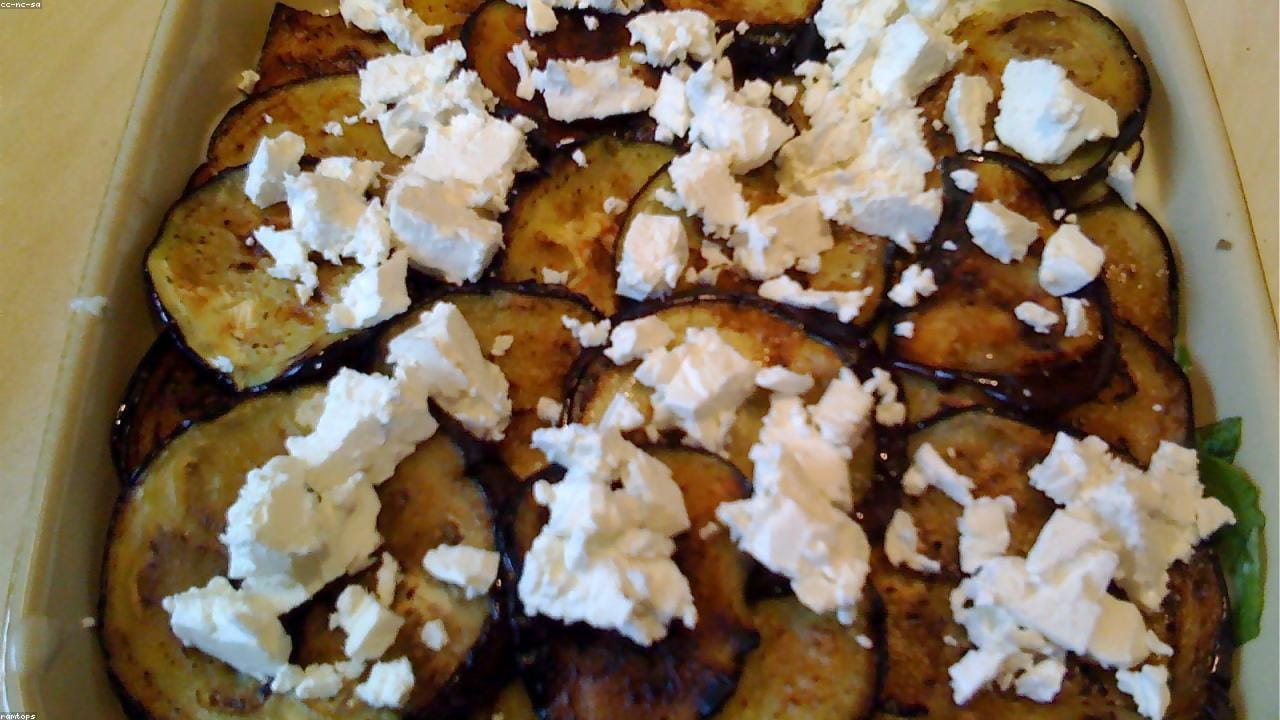
- **The Golden Sauté:** In a large, heavy-bottomed frying pan or skillet, heat a generous amount of AOP Kalamata Extra Virgin Olive Oil over medium-high heat. Fry the aubergine slices in small batches, ensuring not to overcrowd the pan. Cook each side until deeply golden brown and tender, approximately 2-3 minutes per side. The goal is a beautiful caramelization that enhances their flavor.
- **Draining Excess Oil:** As each batch finishes, transfer the fried aubergine slices to a plate lined with several layers of paper towels to absorb any excess oil. Season lightly with sea salt and a whisper of white pepper while they are still warm. Repeat until all aubergines are cooked. Set aside.
Movement II: The Lamb Ragu Rhapsody – A Depth of Flavors
The ragu is the soul of the Moussaka, a rich tapestry of lamb, aromatic vegetables, and warm spices. Its preparation demands patience and a layering of flavors that will resonate with every bite.
- **Browning the Lamb with Purpose:** In a large, heavy-bottomed pot or Dutch oven, heat 2 tablespoons of AOP Kalamata Extra Virgin Olive Oil over high heat until shimmering. Add the minced lamb in batches, ensuring not to overcrowd the pot. Brown the lamb deeply on all sides, allowing a rich, dark crust to form. This crucial Maillard reaction develops profound umami. Remove the browned lamb with a slotted spoon and set aside, leaving any rendered fat in the pot.
- **The Aromatic Bedrock:** Reduce the heat to medium. Add the finely diced Spanish onions to the pot and sauté gently, scraping up any fond (browned bits) from the bottom. Cook until the onions are translucent and exquisitely tender, approximately 8-10 minutes, ensuring they do not brown excessively. Add the minced garlic paste and cook for another minute until fragrant, taking care not to burn it.
- **Deglazing and Wine Integration:** Pour in the red wine, scraping the bottom of the pot vigorously with a wooden spoon to release all the flavorful fond. Bring to a simmer and reduce the wine by half, allowing the alcohol to evaporate and its complex flavors to concentrate.
- **Tomato and Spice Infusion:** Return the browned lamb to the pot. Stir in the concentrated tomato paste and cook for 2 minutes, allowing it to toast slightly and deepen its flavor. Add the crushed San Marzano tomatoes, the cinnamon stick, whole cloves, bay leaves, freshly grated nutmeg, and ground allspice. Stir thoroughly to combine.
- **The Slow Simmer:** Pour in the lamb or beef stock. Bring the ragu to a gentle simmer, then reduce the heat to low, cover, and cook for a minimum of 1.5 hours, or ideally 2 hours. Stir occasionally, ensuring the ragu is gently bubbling. This slow cooking allows the flavors to meld, the lamb to become incredibly tender, and the spices to fully infuse the sauce.
- **The Fresh Finish:** Towards the end of the simmering time, remove the cinnamon stick, cloves, and bay leaves. Stir in the finely chopped fresh flat-leaf parsley and mint. Taste and adjust seasoning with sea salt and freshly ground white pepper. The ragu should be rich, savory, and beautifully aromatic.
Movement III: The Béchamel Ballad – A Silken Crown
Our béchamel is not merely a topping; it is a luxurious, creamy embrace, enriched with cheese and egg yolks, designed to bind the layers and provide a sublime contrast to the savory lamb and earthy aubergine.
- **Crafting the Roux:** In a separate, heavy-bottomed saucepan, melt the unsalted butter over medium heat. Once melted, add the sifted all-purpose flour and whisk continuously for 2-3 minutes to form a smooth roux. Cook the roux gently, ensuring it bubbles and releases a nutty aroma but does not brown. This cooks out the raw flour taste.
- **Gradual Milk Incorporation:** Gradually, a small ladleful at a time, whisk the warm whole milk into the roux. Continue whisking vigorously after each addition to prevent lumps. The key is patience here; incorporating the milk slowly and steadily will yield the smoothest béchamel. Once all the milk is incorporated, bring the sauce to a gentle simmer, whisking constantly.
- **Thickening and Infusion:** Continue to cook the béchamel over medium-low heat, whisking frequently, for 8-10 minutes, or until it has thickened to a luxurious, pourable consistency that coats the back of a spoon. It should have a gentle sheen.
- **Enrichment and Flavor:** Remove the béchamel from the heat. Whisk in the finely grated Parmigiano-Reggiano D.O.P. until fully melted and smooth. Add the freshly grated nutmeg and the pinch of Cayenne pepper. Stir to combine these aromatic elements.
- **Tempering the Egg Yolks:** In a small bowl, lightly whisk the two egg yolks. Take a small spoonful of the hot béchamel and slowly drizzle it into the egg yolks, whisking constantly. This “tempers” the yolks, gradually bringing their temperature up without scrambling them.
- **Final Integration:** Pour the tempered egg yolk mixture back into the main béchamel sauce, whisking vigorously until fully incorporated. This step adds richness, a beautiful golden color, and contributes to the béchamel’s smooth, velvety texture and stability.
- **Seasoning to Perfection:** Taste the béchamel and season carefully with sea salt and freshly ground white pepper. It should be perfectly balanced, creamy, and subtly flavorful.
Movement IV: The Grand Assembly – Layering Perfection
The assembly of Moussaka is a mindful process, each layer meticulously placed, building a harmonious structure of flavor and texture. This is where all our preparatory work culminates.
- **Preparing the Vessel:** Lightly grease your chosen baking dish with a touch of olive oil or butter. Sprinkle the breadcrumbs evenly over the bottom and sides of the dish. This creates a non-stick surface and adds a subtle textural contrast.
- **First Aubergine Layer:** Arrange one-third of the fried aubergine slices in a single, slightly overlapping layer across the bottom of the prepared baking dish. Ensure a solid, even base.
- **First Ragu Layer:** Spoon half of the succulent lamb ragu evenly over the first layer of aubergines, spreading it gently to the edges.
- **Second Aubergine Layer:** Place another third of the fried aubergine slices over the lamb ragu, creating a second protective and flavorful layer.
- **Second Ragu Layer:** Spoon the remaining half of the lamb ragu over this aubergine layer, again spreading it evenly.
- **Final Aubergine Layer:** Crown the lamb ragu with the remaining fried aubergine slices, forming the uppermost aubergine layer.
- **The Béchamel Cloak:** Gently and evenly pour the warm, silken béchamel sauce over the entire layered structure, ensuring it covers all the aubergine. Use an offset spatula to smooth the surface if necessary.
- **The Golden Crust:** Sprinkle generously with additional finely grated Parmigiano-Reggiano D.O.P. over the béchamel. This will form a beautiful, golden, and flavorful crust during baking.
- **Baking to Perfection:** Transfer the baking dish to the preheated oven (180°C / 350°F). Bake for 45-60 minutes, or until the béchamel is puffed, gloriously golden brown, and bubbling seductively around the edges. The internal temperature should be piping hot.
Movement V: The Anticipatory Rest – Patience Rewarded
This final, crucial step is often overlooked but is absolutely essential for the structural integrity and optimal flavor development of your Moussaka. Resist the temptation to cut into it immediately.
- **The Sacred Pause:** Carefully remove the Moussaka from the oven. Place it on a wire rack and allow it to rest, undisturbed, for a minimum of 30 minutes, and ideally 45 minutes to an hour.
- **The Science of Resting:** During this resting period, the internal layers set, the béchamel firms up slightly, and the molten flavors have a chance to coalesce and deepen. Cutting too soon will result in a messy, collapsing dish, whereas a well-rested Moussaka will slice cleanly and present beautifully, with each layer distinct yet harmoniously integrated.
A Gastronomic Blueprint: Key Components and Their Interplay
Understanding the intricate dance between each element is crucial to appreciating the profound symphony of flavors and textures in this Moussaka. Here, we dissect the essence of each component and its indispensable contribution.
| Component | Primary Role & Flavor Profile | Technique’s Impact |
|---|---|---|
| Aubergine | Earthy, subtly sweet, meaty texture, capable of absorbing and reflecting surrounding flavors. Provides structural integrity and a comforting base. | **Salting:** Crucial for extracting bitterness and excess water, preventing a soggy final dish. Ensures the aubergine fries properly without becoming greasy. **Frying:** Imparts a deep caramelization (Maillard reaction), enhancing natural sweetness and creating a tender, yielding texture that is both flavorful and substantial. |
| Lamb Ragu | Rich, savory, aromatic, deeply umami, with a comforting warmth from the spices. The hearty core of the dish. | **Deep Browning:** Creates foundational flavor through the Maillard reaction. **Slow Simmering:** Allows spices to bloom, meat to tenderize, and all flavors to meld into a profound, complex sauce. **Fresh Herbs:** Added at the end, they provide a vibrant, contrasting freshness and aromatic lift. |
| Béchamel | Creamy, nutty (from Parmigiano), velvety, luxurious. Acts as the binding agent and provides a rich, comforting crown. | **Proper Roux Cooking:** Eliminates raw flour taste and forms the stable base. **Gradual Milk Addition:** Prevents lumps and ensures a silky-smooth consistency. **Egg Yolk Tempering:** Enriches the sauce, adds a beautiful golden hue, and contributes to a custard-like, stable texture without scrambling the eggs. |
| Spices (Cinnamon, Nutmeg, Clove, Allspice) | Warm, exotic, aromatic, sweet-savory undertones. The signature Hellenic spice profile. | **Judicious Use:** Enhances the lamb without overwhelming it, providing a unique Mediterranean character. **Infusion in Ragu:** Allows the spices to slowly release their complex aromas and flavors, deepening the sauce’s profile. |
| AOP Kalamata EVOO | Fruity, peppery, intensely aromatic. The quintessential Mediterranean fat. | **Frying Medium:** Imparts its distinctive flavor into the aubergine and ragu. **Flavor Carrier:** Acts as a delicious vehicle for the fat-soluble flavors of the herbs and spices, distributing them throughout the dish. |
Chef’s Notes & Refinements: Mastering the Art
The journey to culinary mastery lies not only in following a recipe but in understanding the nuances, anticipating challenges, and knowing how to adapt. These insights from my kitchen are designed to elevate your Moussaka from excellent to extraordinary.
- **Ingredient Quality Above All:** I cannot stress this enough. There is no shortcut to flavor. Seek out the finest organic lamb, vibrant aubergines from a local market, and a truly exceptional extra virgin olive oil. These form the very soul of your dish.
- **The Ragu’s Patience:** The longer your lamb ragu simmers gently, the more profound and harmonious its flavors will become. If time allows, prepare the ragu a day in advance; its taste will deepen considerably overnight, making it even more exquisite.
- **Béchamel’s Consistency:** Aim for a béchamel that is thick enough to coat the back of a spoon generously but still pourable. If it becomes too thick, a splash of warm milk can adjust it. If too thin, continue to cook gently, whisking, until the desired consistency is achieved.
- **Seasoning at Every Stage:** Professional chefs taste continuously. Season the aubergines, the ragu, and the béchamel independently, adjusting as you go. This layering of seasoning ensures a perfectly balanced final dish. Remember, salt enhances flavor; it doesn’t just add saltiness.
- **Pre-preparation Advantage:** Both the lamb ragu and the béchamel sauce can be prepared a day ahead of assembly. Store them separately in airtight containers in the refrigerator. Gently reheat the ragu before assembly, and warm the béchamel over low heat, whisking constantly, adding a splash of milk if it’s too thick.
- **The Importance of the Rest:** This is not merely a suggestion; it is a critical step. Skipping the resting period will result in a collapsed, messy Moussaka. Allow the layers to set and the flavors to truly meld. Your patience will be richly rewarded with a perfectly structured, intensely flavorful slice.
- **Uniform Slicing:** A mandoline is your best friend for achieving perfectly uniform aubergine slices. This ensures even cooking and a visually appealing final product.
- **Controlling Bitterness:** The salting process for aubergines is non-negotiable. It effectively draws out bitter compounds and excess water, leading to a superior texture and taste. Do not rush this step, and always rinse thoroughly.
The Final Presentation: An Edible Masterpiece
The presentation of your Moussaka is the final brushstroke on a canvas of culinary artistry. It is an act of respect for the ingredients, the process, and the diner. After the critical resting period, your Moussaka is ready to reveal its layered splendor.
- **The Art of the Cut:** Using a sharp, warmed chef’s knife, carefully cut generous, elegant portions directly within the baking dish. Wiping the knife clean between each cut will ensure the cleanest lines and prevent smudging of the béchamel.
- **Lifting with Grace:** Employ a wide, sturdy spatula to carefully lift each slice from the baking dish. Support it from underneath, ensuring all the exquisite layers remain intact and beautifully defined. Precision here is key to preserving the structural integrity of the dish.
- **Plating with Intent:** Place each portion artfully onto a warmed plate. The warmth of the plate helps maintain the Moussaka’s ideal serving temperature and enhances the dining experience.
- **The Garnish Whisper:** For a touch of vibrant contrast and fresh aroma, garnish each plate with a delicate sprig of fresh flat-leaf parsley. Alternatively, a whisper of finely chopped fresh mint can further enhance the Hellenic character and provide an aromatic counterpoint.
- **Serve Immediately:** Once plated and garnished, serve your Moussaka à la Grand Chef immediately to your discerning guests, allowing them to experience its full warmth, texture, and complex flavors at their peak.
Epilogue: A Culinary Journey’s End
To craft this Moussaka is to engage in a dialogue with culinary history, a conversation with the sun-drenched landscapes of Greece, and a deep appreciation for the transformative power of mindful cooking. This dish is more than sustenance; it is an experience, a narrative told through flavor, texture, and aroma. It represents a commitment to excellence, a respect for tradition, and a celebration of the profound joy found in sharing exquisite food.
Serve this Moussaka as the centerpiece of a convivial gathering, perhaps alongside a crisp, verdant salad dressed simply with lemon and more of that beautiful Kalamata olive oil. A glass of a robust Greek red wine, such as an Xinomavro or a mature Agiorgitiko, would be an ideal companion, its structure and fruit complementing the richness of the lamb. May this Grand Chef’s Moussaka be a testament to the enduring power of classic cuisine, re-envisioned for the contemporary, discerning palate. Kali Orexi!


One Comment