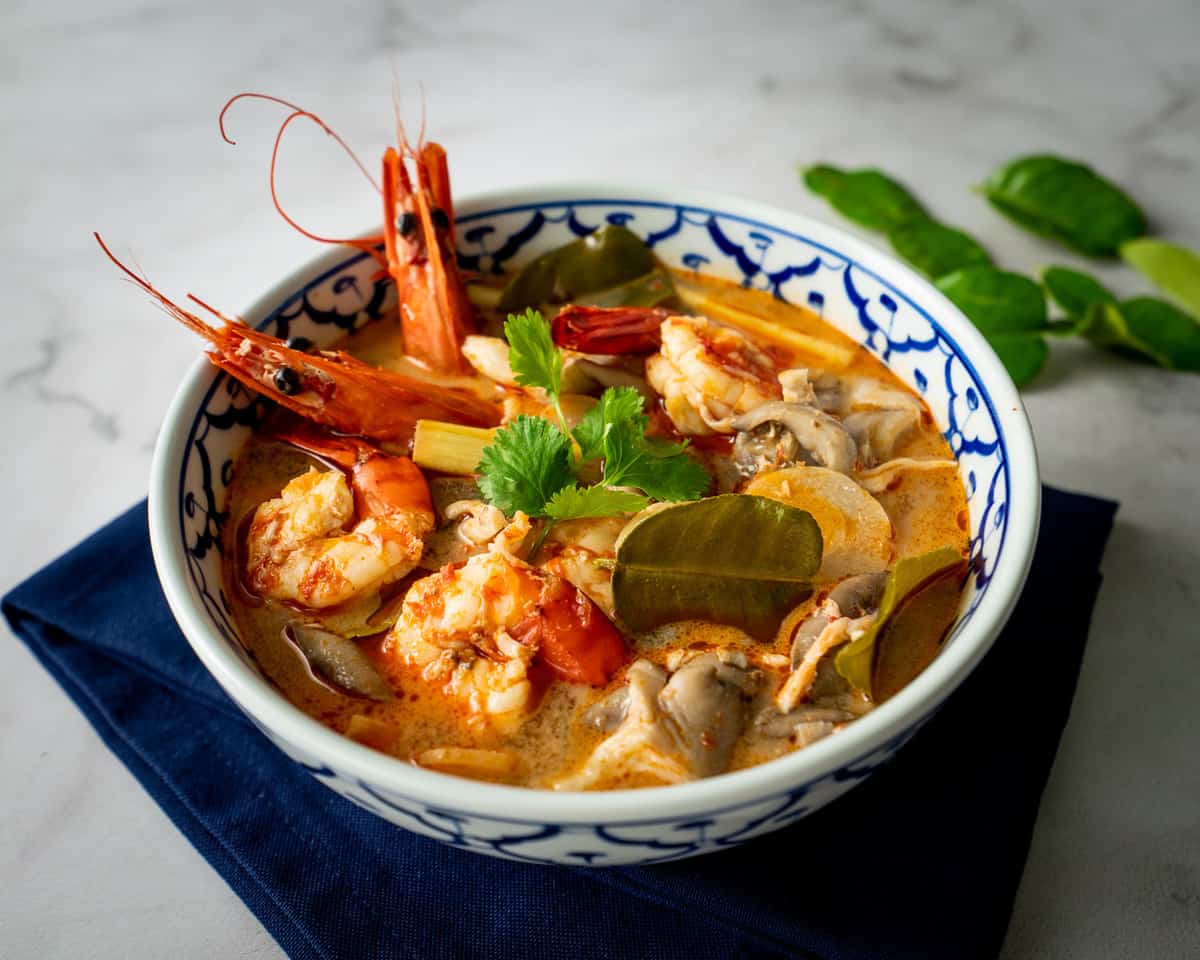
The Elixir of Thailand: Crafting the Perfect Tom Yum Goong

A Michelin Star Chef’s Ode to Tom Yum Goong
Greetings, fellow epicureans and culinary adventurers. As a chef who has dedicated a lifetime to the pursuit of gastronomic excellence, I find immense joy in deconstructing and perfecting dishes that truly define a nation’s culinary soul. Today, our focus turns to a masterpiece that transcends mere sustenance, a dish that has captivated palates globally: Tom Yum Goong. More than just a soup, it is an exquisite orchestra of tastes – a harmonious dance of sour, spicy, salty, and sweet, underpinned by an invigorating aromatic complexity. This is not merely a recipe; it is an invitation to understand, appreciate, and ultimately master the art of crafting an authentic, sublime Tom Yum Goong.
For those familiar with its vibrant character, Tom Yum Goong is a revelation; for the uninitiated, it is an essential initiation into the heart of Thai cuisine. It speaks of freshness, boldness, and an unparalleled balance that leaves an indelible mark on the memory. Join me as we delve into its storied past, dissect its crucial components, and precisely execute the steps to elevate your rendition to Michelin-worthy standards.
The Storied Past: A Journey Through Time and Taste
The origins of Tom Yum Goong, like many beloved traditional dishes, are somewhat shrouded in the mists of time, yet its significance in Thai culture is undeniable. The name itself is a descriptive poem: “Tom” refers to the boiling process, “Yum” signifies the mixing of various flavors to achieve a unique balance, and “Goong” proudly declares its star ingredient – shrimp.
Historically, clear broths, often featuring simple proteins and local herbs, were common in rural Thai households. Tom Yum, in its nascent form, likely began as a humble, restorative clear soup, evolving over centuries as culinary techniques refined and ingredients became more accessible. It’s believed to have originated in Central Thailand, specifically during the Rattanakosin Kingdom period, gaining particular prominence in royal courts for its invigorating properties and delicate balance.
The ‘Nam Khon’ (creamy) version, which we will focus on today, is a later innovation, likely influenced by Western dairy products or the desire for a richer mouthfeel. This addition of evaporated milk or coconut milk, combined with roasted chili paste (Nam Prik Pao), deepened the soup’s character, adding an intoxicating layer of richness and umami that elevated it from a simple broth to a dish of profound complexity. Tom Yum Goong is not just food; it is a cultural ambassador, representing Thailand’s vibrant culinary heritage on the global stage, celebrated for its unique ability to awaken the senses and refresh the spirit.
The Quintessential Elements: A Symphony of Freshness
At the heart of an extraordinary Tom Yum Goong lies an unwavering commitment to the freshest, highest quality ingredients. Each component plays a vital, non-negotiable role in creating that signature balance. Think of it as an orchestral composition where every instrument must be perfectly tuned and played with precision.
The essence is a careful interplay of four primary tastes: the bracing sourness from fresh lime, the fiery heat from bird’s eye chilies, the savory depth of fish sauce, and a subtle sweetness, often from a touch of palm sugar, which rounds out the profile. Beyond these, the aromatics are the soul: lemongrass, galangal, and kaffir lime leaves are not mere seasonings; they are the aromatic backbone, infusing the broth with their distinctive, invigorating fragrances.
For the ‘Nam Khon’ (creamy) version, an additional layer of complexity is introduced. Roasted chili paste (Nam Prik Pao) contributes a smoky, subtly sweet, and mildly spicy depth, while evaporated milk or a delicate touch of coconut milk provides a luxurious, velvety texture that softens the edges of the spice and sourness, creating a truly opulent experience without being heavy.
The Pantheon of Ingredients: Sourcing for Perfection
As a chef, I cannot stress enough the importance of sourcing. Compromise here, and the entire dish suffers. Seek out the best, for they are the true foundation of flavour.
- For the Broth & Body:
- Fresh Prawns (Goong): 500g, large, head-on (if possible, for extra flavour in stock), peeled and deveined, tails on. Reserve shells and heads for stock.
- Straw Mushrooms or Oyster Mushrooms: 200g, fresh, quartered or sliced.
- Water or Shrimp Stock: 4 cups (1 litre). Homemade shrimp stock (from prawn heads/shells) is highly recommended for ultimate depth.
- Evaporated Milk or Coconut Milk: 1/2 cup (120ml), for the ‘Nam Khon’ (creamy) version.
- The Aromatic Pillars:
- Lemongrass (Takrai): 2 stalks, bottom third only, bruised vigorously and sliced into 1-inch pieces.
- Galangal (Kha): 1.5-inch piece, sliced thinly.
- Kaffir Lime Leaves (Bai Makrut): 5-6 leaves, torn or crushed to release oils.
- Bird’s Eye Chillies (Prik Kee Noo): 5-8, fresh, bruised or sliced (adjust to desired heat).
- The Seasoning Quintet:
- Fish Sauce (Nam Pla): 3-4 tablespoons, high-quality (e.g., Squid Brand, Tiparos). Adjust to taste.
- Fresh Lime Juice (Nam Manao): 3-4 tablespoons, freshly squeezed, never bottled. Adjust to taste.
- Roasted Chilli Paste in Oil (Nam Prik Pao): 2-3 tablespoons. Look for a good quality brand or, if ambitious, make your own.
- Palm Sugar (Nam Tan Peep): 1-2 teaspoons, dissolved in a little hot water, or granulated sugar.
- Coriander (Cilantro) Leaves: A generous handful, fresh, for garnish.
The Choreography of Cooking: A Step-by-Step Mastery
Precision and timing are paramount. Follow these steps meticulously, and the reward will be a Tom Yum Goong that sings with authenticity and depth.
- Prepare the Shrimp Stock (Optional, but highly recommended): If using heads and shells, sauté them in a tablespoon of oil until pink. Add 4 cups of water, bring to a simmer, skim any scum, and cook for 15-20 minutes. Strain the stock, discarding solids. This step elevates the flavour immensely.
- Infuse the Broth: In a medium pot, bring your 4 cups of water or shrimp stock to a rolling boil. Add the bruised lemongrass, sliced galangal, and torn kaffir lime leaves. Reduce the heat slightly and let it simmer gently for 5-7 minutes to allow the aromatics to fully infuse the broth.
- Introduce the Mushrooms: Add the quartered or sliced mushrooms to the simmering broth. Cook for 2-3 minutes until they begin to soften.
- Cook the Prawns: Increase the heat slightly. Add the peeled and deveined prawns. Cook for only 2-3 minutes, or until the prawns just turn opaque pink and curl. Overcooking will make them rubbery. Remove them with a slotted spoon momentarily to prevent overcooking if you wish, adding them back right at the end.
- The Creamy Heart (for Nam Khon): Reduce the heat to low. Stir in the roasted chili paste (Nam Prik Pao) until it dissolves completely into the broth. Then, slowly pour in the evaporated milk or coconut milk, stirring constantly. Ensure the heat is low to prevent the milk from curdling.
- Season with Precision: Remove the pot from the heat or keep it on the lowest possible setting. This is crucial for preserving the fresh zing of the lime. Add the fish sauce, freshly squeezed lime juice, and dissolved palm sugar (or granulated sugar).
- Taste and Balance: This is the most critical step for a chef. Taste the soup. It should be a harmonious balance of sour, spicy, salty, and sweet. Do not hesitate to adjust:
- More sourness? Add more lime juice.
- More saltiness? Add more fish sauce.
- More sweetness? Add a touch more sugar.
- More spice? Add more bruised bird’s eye chillies or a pinch of chili powder/flakes.
- For more depth, another spoonful of Nam Prik Pao can be added.
- Final Touch & Serve: Stir in the bruised bird’s eye chillies. If you removed the prawns, return them to the pot now to warm through. Ladle the hot Tom Yum Goong into individual serving bowls. Garnish generously with fresh coriander leaves. Serve immediately, ideally with steamed jasmine rice on the side.
Pro-Tips from a Michelin Star Chef: Elevating Your Tom Yum Goong
The difference between good and great lies in the details. Heed these insights to truly master this iconic dish.
- The Power of Homemade Stock: While water suffices, a truly exceptional Tom Yum Goong begins with a rich shrimp stock made from the prawn heads and shells. Sauté them with a little garlic and white peppercorns before simmering. It adds an unparalleled depth of umami.
- Aromatic Activation: Don’t just slice your lemongrass, galangal, and kaffir lime leaves. Bruise the lemongrass and galangal thoroughly with the back of your knife or a pestle. Tear the kaffir lime leaves. This action breaks down the cell walls, releasing their potent essential oils and maximizing flavour infusion into your broth.
- The Art of Chilli Paste (Nam Prik Pao): For the ‘Nam Khon’ version, use a high-quality Nam Prik Pao. Better yet, craft your own! It provides a smoky, sweet, and mild chili flavour that is distinct from fresh chilies. It’s an umami bomb that binds the other flavours beautifully.
- Preserving Lime’s Zest: Always add fresh lime juice off the heat or at the very end of cooking. Boiling lime juice diminishes its vibrant, fresh acidity, turning it bitter. You want that bright, invigorating zing.
- Prawn Perfection: Prawns cook incredibly quickly. Add them at the last moment and cook only until they turn pink and opaque, no longer. Overcooked prawns are tough and tasteless, a culinary sin in my kitchen.
- Balance is Key: Thai cooking is all about achieving a dynamic equilibrium between sour, spicy, salty, and sweet. Don’t be afraid to taste and adjust repeatedly. A truly balanced Tom Yum Goong will have each flavour discernible yet harmonious, none overpowering the others.
- The Chillies – Bruise, Don’t Mince: For bird’s eye chilies, bruising them releases their heat gradually and allows their flavour to permeate the soup without overwhelming it. Minced chilies can make the soup aggressively spicy.
- Serve Immediately: Tom Yum Goong is best enjoyed fresh off the stove. The aromatics are at their most vibrant, and the balance of flavours is perfectly calibrated.
- Garnish with Purpose: Fresh coriander is not just for aesthetics. Its herbaceous, fresh notes cut through the richness and spice, adding another layer of complexity to each spoonful.
Nutritional Insights (Approximate Values per Serving)
Tom Yum Goong, particularly the ‘Nam Khon’ version, offers a good balance of protein and essential nutrients, while remaining relatively light.
| Nutrient | Amount (per serving) |
|---|---|
| Calories | 180-250 kcal |
| Protein | 15-20 g |
| Total Fat | 8-12 g |
| Saturated Fat | 4-6 g |
| Carbohydrates | 10-15 g |
| Fiber | 2-3 g |
| Sodium | 800-1200 mg |
| Vitamin C | Excellent source |
| Iron | Good source |
Please note: These are approximate values and can vary based on specific ingredients, quantities, and preparation methods.
Frequently Asked Questions for the Aspiring Chef
- Q: Can I make Tom Yum Goong vegetarian or vegan?
- A: Absolutely. Omit the prawns and fish sauce. Use a high-quality vegetable stock. For the savoury depth, consider adding a touch of good quality soy sauce or a vegetarian mushroom sauce. Firm tofu, oyster mushrooms, or even chunks of bell pepper and baby corn make excellent substitutes for the shrimp.
- Q: What’s the main difference between Tom Yum Goong Nam Sai and Nam Khon?
- A: ‘Nam Sai’ means “clear water” and refers to the clear broth version, which is typically lighter and more bracingly sour and spicy. ‘Nam Khon’ means “cloudy water” and refers to the creamy version, achieved by adding evaporated milk or coconut milk and usually roasted chili paste (Nam Prik Pao), resulting in a richer, more mellow, and complex flavour profile.
- Q: How can I adjust the spice level?
- A: To increase heat, add more fresh bird’s eye chilies (bruised or sliced), or a dash of chili powder/flakes. To decrease it, reduce the number of chilies and perhaps the amount of Nam Prik Pao, especially if you’re sensitive to spice. You can also deseed the chilies for less heat.
- Q: Can I use frozen shrimp?
- A: While fresh is always superior, high-quality frozen shrimp can be used. Thaw them completely in the refrigerator, pat them dry, and cook as directed. Avoid pre-cooked frozen shrimp, as they will become rubbery.
- Q: What should I serve with Tom Yum Goong?
- A: Traditionally, Tom Yum Goong is served with steamed jasmine rice. Its plainness perfectly complements the soup’s robust flavours. It can also be part of a larger Thai meal featuring other dishes, such as stir-fries or curries.
- Q: How long can Tom Yum Goong be stored?
- A: It’s best consumed fresh. However, leftovers can be stored in an airtight container in the refrigerator for up to 2 days. Reheat gently on the stovetop, ensuring it doesn’t boil vigorously, especially if it contains milk. The flavours tend to meld further, but the freshness of the aromatics will diminish slightly.
The Grand Finale: A Culinary Masterpiece Unveiled
As we conclude this culinary exploration, I trust you now possess not just a recipe, but a profound understanding of Tom Yum Goong. It is a dish that speaks volumes of Thailand’s rich culture and sophisticated palate. By respecting its ingredients, mastering its techniques, and most importantly, tasting and balancing with care, you can transcend mere cooking and truly create art on a plate.
Embrace the journey, savor the process, and delight in the exquisite symphony of flavours you have brought to life. May your Tom Yum Goong be a testament to your passion for authentic, world-class cuisine. Bon appétit!


One Comment