Tag: Muscle

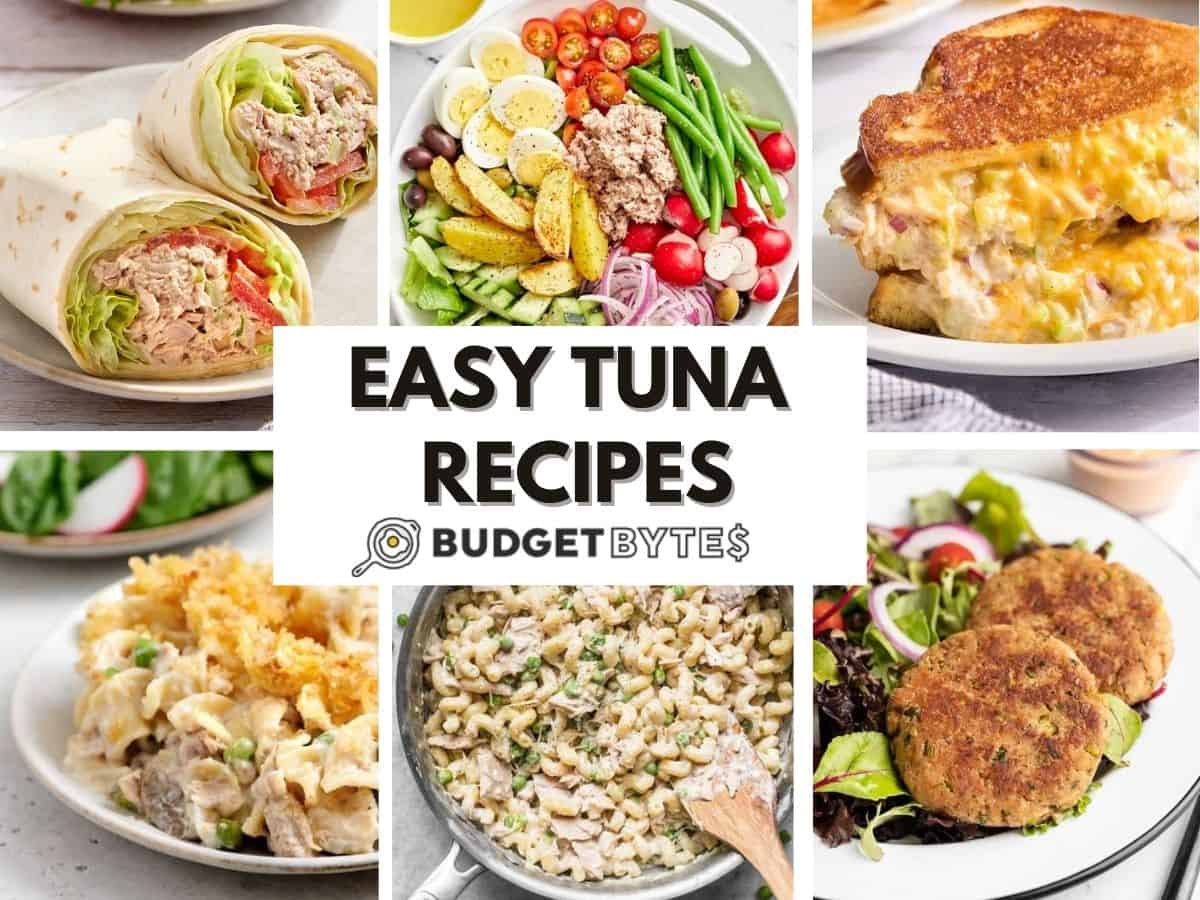
  • GAINS: Tuna Power Meals for Muscle Growth

    GAINS: Tuna Power Meals for Muscle Growth

    Introduction & My Personal Story

    Ah, the humble tuna. I remember my college days when I was a budding chef and an avid gym-goer, living on a shoestring budget. Tuna was my go-to protein source. Not only was it affordable, but it was also packed with the nutrients I needed to fuel my workouts and muscle growth. I would often experiment with different combinations, trying to keep my meals exciting and my taste buds entertained. One particular memory stands out: a late-night cooking session after an exhausting day of classes and gym. I opened my pantry to find a few cans of tuna and a couple of ingredients lying around. With a bit of creativity, I whipped up a dish that not only satisfied my hunger but also became a staple in my diet. This dish, which I fondly call “Tuna Power Meals,” is something I’ve perfected over the years. In my 5 years of experience as a chef, I’ve learned that the simplest ingredients can create the most powerful meals. Today, I’m thrilled to share my recipe for GAINS: Tuna Power Meals for Muscle Growth. Let’s dive into the world of flavors and fitness!

    Why You’ll Love This Recipe

    • High Protein Content: Each serving provides approximately 25g of protein, essential for muscle repair and growth.
    • Quick and Easy: Perfect for those who need a nutritious meal in under 30 minutes.
    • Versatile: Can be served in various ways – in wraps, over salads, or as a standalone dish.
    • Budget-Friendly: Uses cost-effective ingredients without compromising on nutrition.
    • Customizable: Easily adapt the recipe with your choice of herbs and spices.

    Detailed Ingredients

    • 2 cans of **tuna** (in water or oil), drained – approx. 280g total
    • 1/2 cup of **Greek yogurt** – about 120g
    • 1 **avocado**, ripe and mashed
    • 1 tablespoon of **lemon juice**
    • 1/4 cup of chopped **celery** – around 30g
    • 1/4 cup of chopped **red onion** – around 30g
    • 2 tablespoons of **fresh parsley**, finely chopped
    • Salt and pepper to taste
    • Optional: **sriracha sauce** for heat, **mustard** for tang

    Step-by-Step Instructions

    Step 1: Prepare the Ingredients
    Start by draining the cans of **tuna**. Use a fork to break the tuna into smaller flakes in a large mixing bowl. This will ensure that the tuna mixes evenly with the other ingredients.

    Step 2: Mix the Base
    Add the **Greek yogurt** and mashed **avocado** to the bowl with the tuna. The yogurt adds creaminess and tang, while the avocado provides healthy fats. Use a spatula to mix these ingredients until well combined.

    Step 3: Add Flavor and Texture
    Stir in the **lemon juice**, **chopped celery**, **red onion**, and **parsley**. These ingredients add crunch and freshness to the dish. Season with salt and pepper. If you like a bit of heat, add a splash of **sriracha sauce**.

    Step 4: Let It Chill
    For the best flavor, cover the bowl with plastic wrap and refrigerate for at least 30 minutes. This allows the flavors to meld together, creating a more cohesive and delicious dish.

    Step 5: Serve and Enjoy
    Once chilled, the Tuna Power Meal is ready to serve. You can enjoy it as a salad, in a wrap, or simply on its own. Chef’s Tip: Pair it with whole-grain bread or a side of quinoa for a complete meal.

    Common Mistakes to Avoid

    • Overmixing: This can make the tuna mushy. Mix just enough to combine the ingredients.
    • Not Draining Tuna Properly: Excess liquid can make the dish watery. Ensure the tuna is well-drained before mixing.
    • Skipping the Chill Time: This step is crucial for flavor development. Give it the 30 minutes it needs in the fridge.
    • Using Overly Ripe Avocados: They can overpower the dish. Choose avocados that are just ripe enough to mash easily.

    How to Store & Reheat

    Store any leftovers in an airtight container in the refrigerator. The Tuna Power Meal will last up to 3 days. When ready to eat, give it a good stir. If you prefer it warm, gently heat it in a pan over low heat, but it’s traditionally served cold.

    Ingredient Substitutions

    • Greek Yogurt: Can be replaced with sour cream or mayonnaise for a different flavor profile.
    • Avocado: If unavailable, try using hummus for a smooth texture.
    • Celery and Red Onion: Swap with bell peppers or scallions for a different crunch.

    Nutrition Facts

    • Calories: 300 kcal per serving
    • Protein: 25g
    • Fat: 15g
    • Carbs: 10g
    • Serving Size: 1 cup

    Frequently Asked Questions

    • Can I use fresh tuna instead of canned?
      Absolutely! Fresh tuna can be grilled or seared before mixing with the other ingredients.
    • Is this recipe suitable for meal prep?
      Yes, it’s perfect for meal prep. Make a batch and store it in the fridge for up to 3 days.
    • What can I serve with the Tuna Power Meal?
      Serve it with whole-grain bread, rice cakes, or a side of mixed greens.
    • Can I freeze this dish?
      Freezing is not recommended as it may change the texture of the yogurt and avocado.
    • How can I adjust the spice level?
      Increase or decrease the **sriracha sauce** according to your preference.
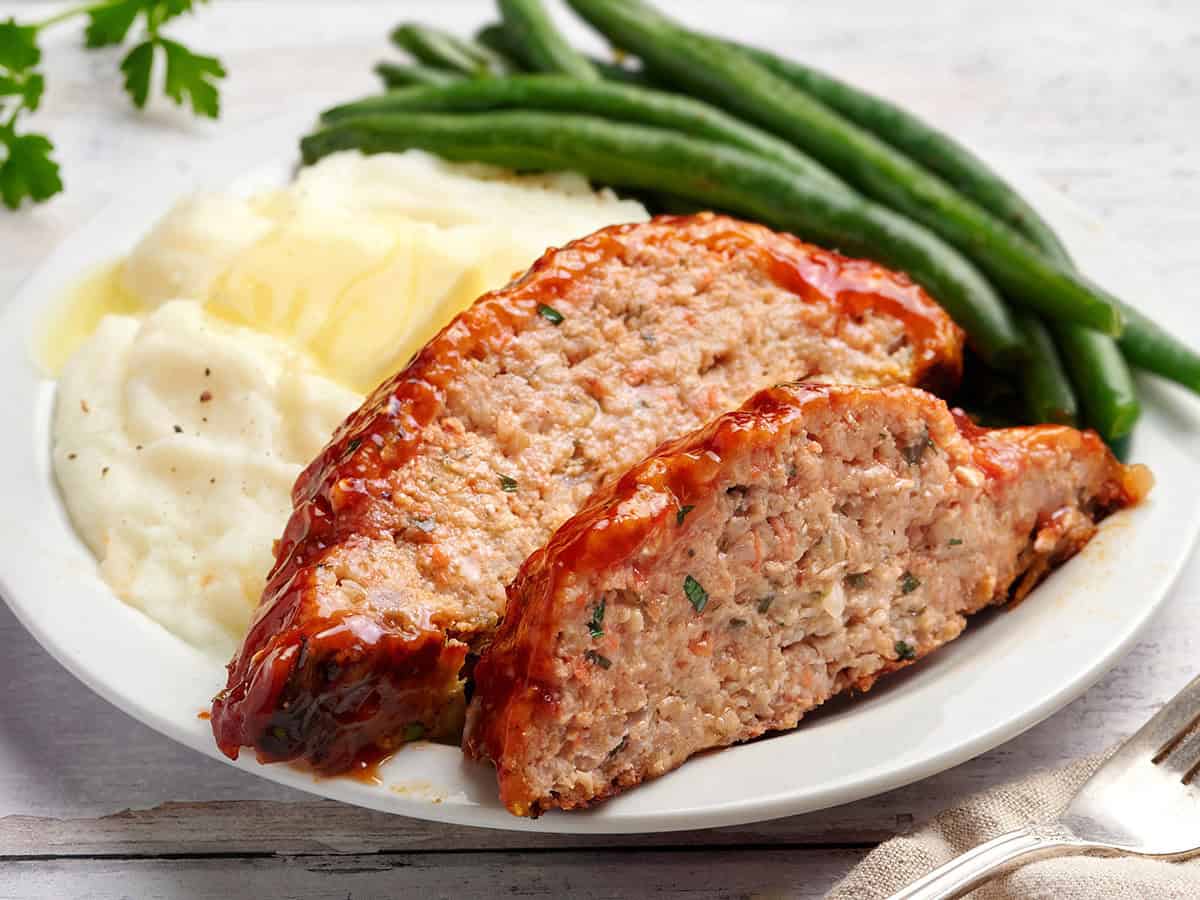

  • GAINS: Lighter Meatloaf for Serious Muscle!

    GAINS: Lighter Meatloaf for Serious Muscle!

    Introduction & My Personal Story

    Meatloaf has always held a special place in my heart. Growing up, it was a staple in our home, lovingly prepared by my grandmother on Sundays. Her meatloaf was the stuff of legends—moist, flavorful, and comforting. But as I ventured into the culinary world and began my journey as a chef, I realized that the traditional meatloaf needed a little revamp to fit my new, healthier lifestyle. Enter the Gains: Lighter Meatloaf for Serious Muscle. This isn’t just any meatloaf; it’s a high-protein, low-fat powerhouse designed to fuel muscle growth and aid recovery.

    In my 5 years of experience as a chef, I’ve learned that meals should be both nutritious and delicious. This meatloaf is a testament to that philosophy. It’s crafted with lean ground chicken, enriched with nutrient-dense ingredients like cottage cheese and carrots, and spiced just right to tantalize your taste buds. I remember the first time I experimented with this recipe—I was skeptical. Could a lighter meatloaf really match the rich flavors of the classic? To my delight, it did and then some. Not only did it satisfy my nostalgic cravings, but it also provided the protein punch I needed after a grueling workout.

    Now, I’m thrilled to share this recipe with you. Whether you’re a seasoned athlete or someone just looking to incorporate more protein into your diet, this meatloaf is sure to become a favorite. Let’s dive into the details and get cooking!

    Why You’ll Love This Recipe

    Detailed Ingredients

    Here’s what you’ll need to make this high-protein, lighter meatloaf:

    • 1 lb. ground chicken – Look for lean ground chicken at your local market.
    • 1 cup panko breadcrumbs – Provides structure without being heavy.
    • ½ small onion, minced – Adds moisture and flavor.
    • ¼ cup grated carrot – A sneaky way to add vitamins.
    • 1 Tbsp chopped parsley – Freshness and color.
    • 1 large egg – Binds everything together.
    • 1 cup small-curd cottage cheese – Boosts protein and keeps it moist.
    • 2 Tbsp ketchup – Classic meatloaf flavor.
    • 1 Tbsp Dijon mustard – A hint of tang.
    • 1 Tbsp Worcestershire sauce – Adds depth.
    • 1 tsp garlic powder – Essential seasoning.
    • 1 tsp paprika – For a warm, smoky flavor.
    • 1 tsp salt – Enhances all the flavors.
    • ½ tsp black pepper – Just the right kick.

    Step-by-Step Instructions

    Step 1: Preheat Your Oven

    Set your oven to 375°F (190°C). Line a baking sheet with parchment paper to prevent sticking and ensure easy cleanup.

    Step 2: Mix the Ingredients

    In a large mixing bowl, combine 1 lb. ground chicken, 1 cup panko breadcrumbs, ½ small minced onion, ¼ cup grated carrot, 1 Tbsp chopped parsley, 1 large egg, 1 cup small-curd cottage cheese, 2 Tbsp ketchup, 1 Tbsp Dijon mustard, 1 Tbsp Worcestershire sauce, 1 tsp garlic powder, 1 tsp paprika, 1 tsp salt, and ½ tsp black pepper. Mix gently with your hands or a spatula until just combined. Avoid over-mixing, which can make the meatloaf dense.

    Step 3: Shape the Loaf

    Transfer the mixture onto your prepared baking sheet. Form it into an 8 x 5-inch loaf. Chef’s Tip: Wet your hands slightly to prevent sticking while shaping the loaf.

    Step 4: Prepare the Glaze

    In a small bowl, mix together ¼ cup ketchup, 1 Tbsp brown sugar, 1 tsp Worcestershire sauce, and 1 tsp apple cider vinegar. Brush half of this glaze over the top of the meatloaf.

    Step 5: First Bake

    Place the meatloaf in the oven and bake for 40 minutes. This initial bake will cook the meatloaf through and set the structure.

    Step 6: Second Glaze and Final Bake

    Remove the meatloaf from the oven and brush with the remaining glaze. Return it to the oven and bake for another 10-15 minutes, or until the internal temperature reaches 165°F (74°C). This ensures the meatloaf is safe to eat and perfectly cooked.

    Step 7: Rest and Serve

    Let the meatloaf rest for 10 minutes before slicing. This resting period allows the juices to redistribute, keeping the meatloaf moist. Serve warm and enjoy your protein-packed meal.

    Common Mistakes to Avoid

    • Over-mixing: This can lead to a tough meatloaf. Mix just until the ingredients are combined.
    • Skipping the rest period: Resting is crucial to allow the juices to set, preventing a dry loaf.
    • Not checking temperature: Use a meat thermometer to ensure it reaches 165°F for safety.

    How to Store & Reheat

    Storage: Allow the meatloaf to cool completely, then wrap it tightly in plastic wrap or aluminum foil. Store in the refrigerator for up to 3-4 days.

    Reheating: Preheat your oven to 350°F (175°C). Place the slices on a baking sheet covered with foil to prevent drying out. Heat for about 10-15 minutes or until warmed through.

    Ingredient Substitutions

    • Ground Chicken: You can substitute with lean ground turkey for a similar nutritional profile.
    • Panko Breadcrumbs: Gluten-free breadcrumbs work well for those with gluten sensitivities.
    • Cottage Cheese: Greek yogurt can be used as an alternative to maintain moisture and protein content.

    Nutrition Facts

    • Calories: 232 kcal per slice
    • Protein: 20g per slice
    • Fat: 8g per slice
    • Carbohydrates: 16g per slice
    • Serving Size: 1 slice (1/8 of loaf)

    Frequently Asked Questions

    • Can I freeze the meatloaf? Yes, once cooled, wrap it tightly in plastic wrap and foil, then freeze for up to 3 months.
    • What can I serve with this meatloaf? Pair it with steamed vegetables or a fresh salad for a balanced meal.
    • Is this meatloaf suitable for meal prep? Absolutely! It keeps well in the fridge and is easy to reheat.
    • Can I make this meatloaf spicier? Add a pinch of cayenne pepper or some chopped jalapeños to the mix.

  • GAINS: Transform Leftover Chicken into Muscle Meals!

    GAINS: Transform Leftover Chicken into Muscle Meals!

    Introduction & My Personal Story

    When I think about leftover chicken, I’m instantly transported back to my early days as a young chef, bustling in the kitchen of a local fitness club. It was a time when every dish had to not only taste fantastic but also pack a punch of nutrition. Back then, I was tasked with creating meals that could fuel the bodybuilders and athletes who frequented the gym. One of my most cherished memories is the day I transformed a humble leftover rotisserie chicken into a powerhouse meal that had everyone asking for seconds.

    In my 5 years of experience, I’ve learned that leftover chicken is nothing short of a culinary gift. It’s versatile, packed with protein, and the perfect base for transforming mundane meals into muscle-building masterpieces. I remember one particular afternoon when we had a surplus of roasted chicken. With a little creativity and a lot of love, I whipped up a high-protein chicken stew that not only satisfied hungry athletes but also became a staple in our menu lineup. It was a moment that solidified my belief in the power of leftover chicken and its ability to fuel our bodies efficiently.

    Now, I want to share with you how you can turn your leftover chicken into meals that are not only delicious but also perfect for anyone looking to build muscle and maintain a healthy lifestyle. Whether you’re a seasoned athlete or just starting your fitness journey, these recipes will help you make the most out of what you already have in your fridge.

    Why You’ll Love This Recipe

    • High in Protein: Perfect for muscle growth and recovery.
    • Cost-Effective: Utilizes leftovers, saving money and reducing waste.
    • Quick and Easy: Minimal prep time for maximum nutrition.
    • Versatile: Can be adapted for soups, salads, casseroles, and more.
    • Delicious and Nutritious: Packed with flavor and essential nutrients.

    Detailed Ingredients

    Here’s what you’ll need to transform your leftover chicken into a meal that supports your fitness goals:

    • Cooked Chicken: About 2-3 cups of shredded or chopped chicken. Look for juicy pieces with a bit of crispy skin if you enjoy extra texture.
    • Chicken Broth: 2 cups, preferably low-sodium to control your salt intake.
    • Mixed Vegetables: 1 cup of your choice (e.g., bell peppers, carrots, broccoli). Fresh or frozen works well.
    • Whole Grains: 1 cup of cooked rice or quinoa for casseroles.
    • Leafy Greens: 2 cups for salads, such as spinach or kale.
    • Spices and Herbs: Salt, pepper, garlic powder, and your favorite herbs like thyme or basil.
    • Olive Oil: 2 tablespoons for sautéing and adding healthy fats.
    • Salsa or Tomato Sauce: 1 cup for those Mexican-inspired dishes.

    Step-by-Step Instructions

    The key to a successful leftover chicken dish is in the details. Follow these steps to create a meal that’s both satisfying and nutritious:

    Step 1: Prep the Chicken

    Begin by shredding or chopping your leftover chicken into bite-sized pieces. If it’s a bit dry, don’t worry – the cooking process will rehydrate it. Chef’s Tip: Keep a bit of the skin if you enjoy a richer flavor and texture.

    Step 2: Decide Your Dish

    Depending on your mood and ingredients on hand, choose your culinary path:

    • For Soups: In a pot, combine chicken, chicken broth, and mixed vegetables. Bring to a boil, then simmer for about 20 minutes. Season with salt, pepper, and herbs.
    • For Salads: Toss chicken with leafy greens, a handful of nuts, and a protein-rich dressing. Add a squeeze of lemon for freshness.
    • For Skillets: Sauté chicken with vegetables in olive oil over medium heat. Add spices to taste and serve hot.
    • For Casseroles: Layer chicken with cooked grains, vegetables, and sauce. Bake in a preheated oven at 180°C (350°F) for 25 minutes.
    • For Tacos or Quesadillas: Mix chicken with salsa and wrap in tortillas. Grill until the tortillas are slightly crispy.

    Step 3: Enhance the Flavor

    Use your favorite spices and herbs to bring out the best in your chicken. Garlic powder, thyme, and a dash of chili can elevate the taste significantly. Chef’s Tip: Don’t be afraid to experiment with different seasonings to keep your meals exciting.

    Step 4: Serve and Enjoy

    Portion out your creation and enjoy your meal. Whether it’s a comforting soup or a hearty casserole, you’ve got a high-protein dish that’s perfect for post-workout recovery.

    Common Mistakes to Avoid

    • Overcooking the Chicken: Leftover chicken can dry out quickly. Keep cooking times to a minimum.
    • Skipping the Seasoning: Always taste and adjust seasoning to enhance flavor.
    • Using Too Much Salt: Be mindful of salt, especially if using pre-seasoned chicken or broth.
    • Ignoring Texture: Balance textures by combining crispy, soft, and crunchy ingredients.

    How to Store & Reheat

    Proper storage is essential to maintain the quality of your leftover chicken dishes:

    • Refrigeration: Store in an airtight container for up to 3 days.
    • Freezing: Freeze portions in freezer-safe bags for up to 3 months. Thaw in the refrigerator overnight before reheating.
    • Reheating: Reheat in a pan over medium heat or in the microwave, adding a splash of broth or water to maintain moisture.

    Ingredient Substitutions

    If you need to make swaps, here are some safe substitutions:

    • Chicken: Use turkey or tofu for a vegetarian option.
    • Broth: Vegetable broth works as a great alternative.
    • Grains: Substitute with couscous or barley.
    • Leafy Greens: Arugula or romaine lettuce can replace spinach or kale.

    Nutrition Facts

    • Calories: Approximately 350 kcal per serving
    • Protein: 35g
    • Fat: 15g
    • Carbohydrates: 25g
    • Serving Size: 1 bowl or plate

    Frequently Asked Questions

    Q: Can I use raw chicken instead of leftover chicken?

    A: Absolutely, just make sure to cook it thoroughly before adding it to your dish.

    Q: What’s the best way to keep the chicken moist?

    A: Use a bit of broth or sauce when reheating to add moisture back into the chicken.

    Q: Can I add more vegetables?

    A: Yes, feel free to add as many vegetables as you like to boost the nutritional value.

    Q: Is it okay to use canned vegetables?

    A: Yes, but be sure to rinse them to reduce sodium content.

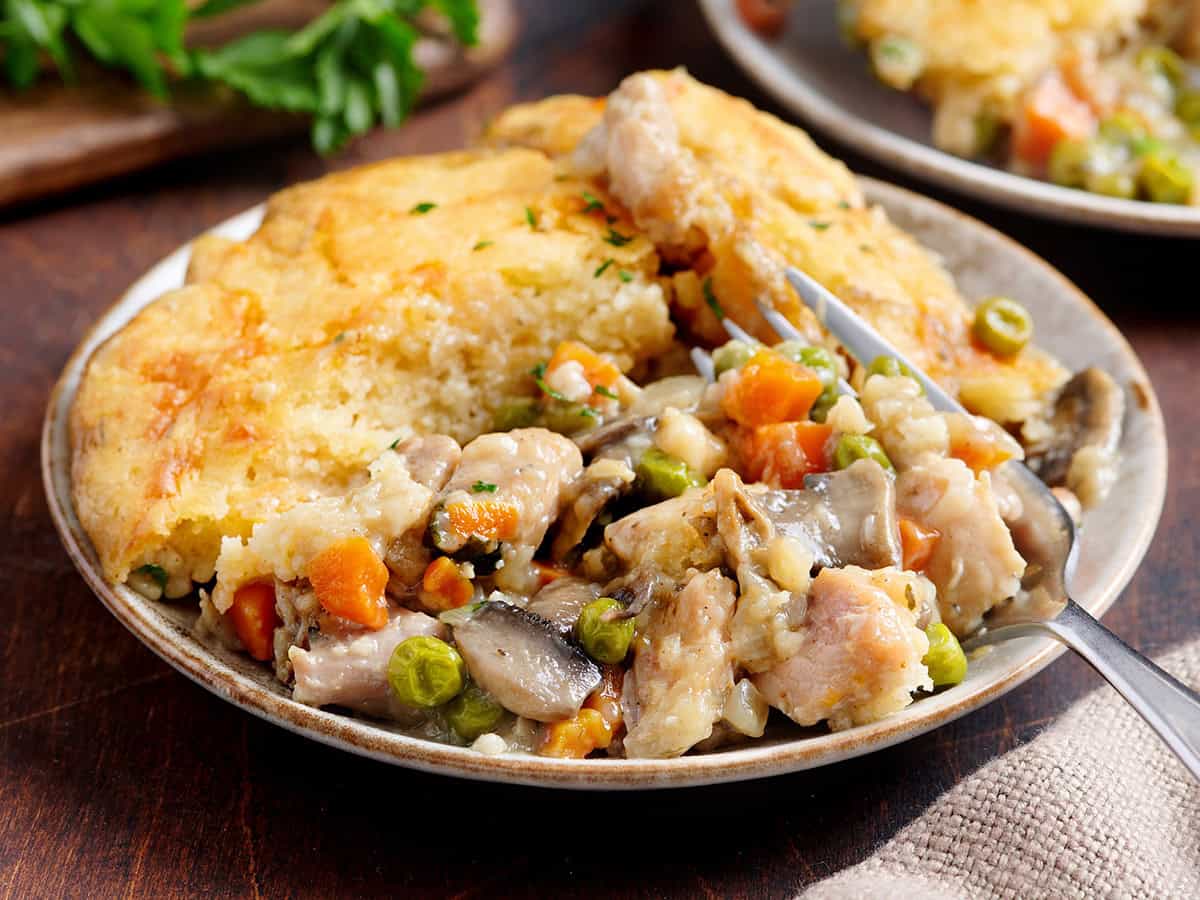
  • GAINS: Cheesy Chicken Cobbler for Muscle Growth

    GAINS: Cheesy Chicken Cobbler for Muscle Growth

    Introduction & My Personal Story

    As a chef and fitness enthusiast, I’ve always been on the lookout for hearty meals that not only satisfy the taste buds but also fuel the body for muscle growth. One dish that holds a special place in my heart is the Cheesy Chicken Cobbler. It all started five years ago when I was juggling long shifts at a bustling restaurant and intense gym sessions. I needed something quick, nutritious, and delicious to keep my energy levels up. That’s when I stumbled upon the idea of a cobbler but with a savory twist.

    It was a chilly evening, and I remember standing in my small kitchen, determined to create a dish that could be both a comfort food and a muscle-building powerhouse. I combined the creamy and cheesy elements of a cobbler with high-protein ingredients like chicken thighs and cheddar cheese. The first bite was a revelation. The rich flavors melded together perfectly, and it became my go-to meal for recovery days. Over time, I’ve fine-tuned the recipe, ensuring it not only packs a punch in flavor but also supports muscle repair. This Cheesy Chicken Cobbler has been a staple in my diet, and I’m excited to share it with you today.

    Why You’ll Love This Recipe

    • High Protein: With 32g of protein per serving, it’s perfect for muscle growth and recovery.
    • Flavorful: The combination of cheddar cheese, garlic, and Cajun seasoning makes every bite a delight.
    • Easy to Make: Straightforward steps with no complicated techniques.
    • Comfort Food: Warm, cheesy, and satisfying—ideal for a cozy meal.
    • Meal Prep Friendly: Make it ahead and enjoy throughout the week.

    Detailed Ingredients

    • 1 lb boneless, skinless chicken thighs – Cut into bite-sized pieces. Look for fresh, pinkish color with no unpleasant odor.
    • 2 Tbsp vegetable oil
    • 8 oz sliced mushrooms – Choose firm, unblemished mushrooms.
    • 1 cup diced onion – About one medium onion.
    • 2 cloves minced garlic
    • 1½ cups chicken broth – Opt for low-sodium to control salt levels.
    • ½ cup milk – Whole milk for creaminess.
    • ½ tsp dried thyme
    • ½ tsp poultry seasoning
    • 3 Tbsp cornstarch
    • ¼ cup cold water
    • 1½ cups frozen peas and carrots – Convenient and nutritious.
    • 1¼ cups all-purpose flour
    • 2 tsp baking powder
    • 1 cup milk
    • 6 Tbsp melted butter
    • ½ cup shredded cheddar cheese – Go for sharp cheddar for a more pronounced flavor.
    • ½ tsp garlic powder
    • ¼ tsp Cajun seasoning
    • ½ tsp dried parsley

    Step-by-Step Instructions

    Step 1: Preheat the Oven

    Start by preheating your oven to 400°F (200°C). This ensures the cobbler bakes evenly and the topping turns golden brown.

    Step 2: Brown the Chicken

    Heat 1 tablespoon of vegetable oil in a cast-iron or oven-safe skillet over medium heat. Season the chicken thighs with a generous pinch of salt and pepper. Cook the chicken pieces until they are golden brown and nearly cooked through, about 6 minutes. Remove them from the skillet and set aside. Chef’s Tip: Using chicken thighs instead of breasts keeps the dish moist and flavorful.

    Step 3: Sauté the Veggies

    Add the remaining tablespoon of oil to the skillet. Stir in the sliced mushrooms, diced onion, and minced garlic. Sauté for about 5 minutes, or until the vegetables are softened and the onions are translucent.

    Step 4: Make the Sauce

    Pour in the chicken broth and milk, then add the dried thyme and poultry seasoning. Bring the mixture to a gentle simmer, allowing the flavors to meld.

    Step 5: Thicken the Filling

    In a small bowl, whisk together the cornstarch and cold water until smooth. Stir this slurry into the simmering sauce, cooking for 2-3 minutes until it thickens to a creamy consistency. Adjust the consistency by adding more broth or water if needed.

    Step 6: Add Chicken and Veggies

    Return the cooked chicken to the skillet, along with the frozen peas and carrots. Stir to combine everything evenly.

    Step 7: Prepare the Topping

    In a separate bowl, whisk together the all-purpose flour and baking powder. Add the milk and melted butter, mixing until smooth. Fold in the shredded cheddar cheese, garlic powder, Cajun seasoning, and dried parsley.

    Step 8: Assemble

    Pour the topping evenly over the hot filling in the skillet. Be careful not to stir it in, as you want the topping to sit on top and bake into a crust.

    Step 9: Bake

    Place the skillet in the preheated oven and bake for 25-30 minutes. The topping should be golden brown and bubbly when done.

    Step 10: Rest & Serve

    Allow the cobbler to rest for 10 minutes before serving. For an extra kick, brush the top with the remaining melted butter.

    Common Mistakes to Avoid

    Overcooking the Chicken: Avoid cooking the chicken fully in the browning step; it will finish cooking in the oven.

    Skipping the Slurry: The cornstarch slurry is key for thickening the sauce. Don’t skip it!

    Stirring the Topping: Pour the topping over the filling without stirring to ensure it bakes into a proper crust.

    How to Store & Reheat

    Store any leftovers in an airtight container in the refrigerator for up to 3 days. To reheat, cover the cobbler with foil and warm in a 350°F oven for about 15 minutes, or until heated through.

    Ingredient Substitutions

    • Chicken Thighs: Substitute with chicken breasts if preferred, but note they may be less juicy.
    • Cheddar Cheese: Try mozzarella or a cheese blend for a different flavor profile.
    • Vegetable Oil: Olive oil or canola oil can be used as alternatives.
    • All-Purpose Flour: Whole wheat flour can be used, though it may alter the texture slightly.

    Nutrition Facts

    • Calories: 629 kcal
    • Protein: 32g
    • Fat: 35g
    • Carbohydrates: 45g
    • Serving Size: 1 serving (1/6 of the recipe)

    Frequently Asked Questions

    Can I freeze the cobbler?

    Yes, you can freeze the baked cobbler. Allow it to cool completely, then wrap tightly in plastic wrap and foil. It will keep for up to 3 months. Thaw in the refrigerator before reheating.

    Is there a gluten-free option?

    Yes, substitute the all-purpose flour with a gluten-free flour blend to make the topping gluten-free.

    What other vegetables can I add?

    Feel free to add bell peppers, zucchini, or spinach for extra nutrition and color.

    Can I make this dish vegetarian?

    Absolutely! Replace the chicken with chickpeas or your favorite plant-based protein, and use vegetable broth instead of chicken broth.

  • GAINS: Easy Chicken Satay for Muscle Growth!

    GAINS: Easy Chicken Satay for Muscle Growth!

    Introduction & My Personal Story

    There’s a dish that has held a special place in my culinary journey, a dish that not only tantalizes the taste buds but also fuels the muscles: Chicken Satay. This isn’t just any Chicken Satay; it’s the Easy Chicken Satay for Muscle Growth. I remember the first time I encountered this dish during a trip to Thailand. The aroma of grilled skewers wafted through the bustling street markets, and I couldn’t resist. As I took my first bite, the flavors of lemongrass, peanuts, and spices danced in harmony, and I was hooked. Fast forward to my own kitchen, I embarked on a mission to recreate this dish with a twist – enhancing its protein content for fitness enthusiasts like myself. In my 5 years of experience as a chef, I’ve learned that food can be both delicious and functional, and this recipe is a testament to that. It’s perfect for those looking to build muscle without compromising on flavor. Join me as I share this personal favorite, guaranteed to become a staple in your muscle-building meal plan!

    Why You’ll Love This Recipe

    • High in **Protein**: Perfect for muscle growth and recovery.
    • Quick and Easy: Ready in under an hour, perfect for busy schedules.
    • Delicious Flavor: A perfect balance of savory, sweet, and spicy.
    • Versatile: Can be grilled, baked, or pan-fried.
    • Meal Prep Friendly: Excellent for preparing in bulk and enjoying throughout the week.

    Detailed Ingredients

    • **500g Chicken Breast**: Skinless and boneless, sliced into thin strips.
    • **1/2 Cup Peanut Butter**: Smooth or crunchy, depending on preference.
    • **1/4 Cup Soy Sauce**: Low sodium is recommended.
    • **2 Tablespoons Brown Sugar**: Adds a subtle sweetness.
    • **2 Tablespoons Lime Juice**: Freshly squeezed for the best flavor.
    • **1 Tablespoon Chili Garlic Sauce**: Adjust according to spice preference.
    • **2 Cloves Garlic**: Minced finely.
    • **1 Tablespoon Ginger**: Minced or grated.
    • **1 Tablespoon Sesame Oil**: Adds a nutty aroma.
    • **2 Tablespoons Vegetable Oil**: For marinating.
    • **Fresh Cilantro**: Chopped, for garnish.

    Step-by-Step Instructions

    Step 1: Prepare the Marinade

    In a medium-sized mixing bowl, combine 1/2 cup of **peanut butter**, 1/4 cup **soy sauce**, 2 tablespoons of **brown sugar**, 2 tablespoons of **lime juice**, 1 tablespoon of **chili garlic sauce**, 2 cloves of minced **garlic**, 1 tablespoon of minced **ginger**, 1 tablespoon of **sesame oil**, and 2 tablespoons of **vegetable oil**. Whisk these ingredients until you achieve a smooth, creamy sauce. Chef’s Tip: If the sauce is too thick, add 3 tablespoons of hot water to reach your desired consistency.

    Step 2: Marinate the Chicken

    Place the sliced **chicken breast** into a large zip-top bag. Reserve 1/2 cup of the marinade for later use. Pour the remaining marinade over the chicken, seal the bag, and massage it to ensure every piece is well-coated. Refrigerate for at least 30 minutes, but for maximum flavor, let it marinate overnight.

    Step 3: Preheat and Prepare

    Preheat your oven to 375°F (190°C). While the oven is heating, arrange the marinated chicken strips on a baking sheet lined with parchment paper. Ensure they are in a single layer for even cooking.

    Step 4: Bake the Chicken

    Place the baking sheet in the preheated oven and bake for 15 minutes. Remove from the oven, brush the chicken with the reserved marinade, and return to the oven for another 15 minutes. Check that the internal temperature of the chicken reaches 165°F (75°C) to ensure it is fully cooked.

    Step 5: Serve and Enjoy

    Remove the chicken from the oven and let it rest for a few minutes. Garnish with freshly chopped **cilantro** and serve with your favorite side dishes. Whether you’re pairing it with rice, noodles, or a fresh salad, this chicken satay will not disappoint!

    Common Mistakes to Avoid

    • **Overcooking the Chicken**: Always check the internal temperature to avoid dry, rubbery chicken.
    • **Skipping the Marination**: This step is crucial for infusing the chicken with flavor. Do not rush it!
    • **Using Low-Quality Ingredients**: Fresh, quality ingredients make a significant difference in taste.
    • **Not Adjusting Spice Levels**: If you’re sensitive to spice, adjust the chili garlic sauce to your liking.

    How to Store & Reheat

    Store any leftover chicken satay in an airtight container in the refrigerator for up to 4 days. To reheat, place the chicken in a skillet over medium heat, adding a splash of water to prevent drying out. Alternatively, microwave on medium power for 2-3 minutes until heated through.

    Ingredient Substitutions

    • **Chicken Breast**: Swap with **chicken thighs** for a juicier option.
    • **Peanut Butter**: Substitute with **almond butter** for a different nutty flavor.
    • **Soy Sauce**: Use **tamari** or **coconut aminos** for a gluten-free version.
    • **Brown Sugar**: Replace with **honey** or **agave syrup** for a natural sweetener.

    Nutrition Facts

    • Calories: 415 kcal
    • Protein: 32g
    • Fat: 22g
    • Carbohydrates: 20g
    • Serving Size: 1 serving (approximately 200g)

    Frequently Asked Questions

    • Q: Can I grill the chicken instead of baking?
    • A: Absolutely! Grilling adds a lovely smoky flavor. Cook over medium heat for about 4-5 minutes per side.

    • Q: Is there a vegetarian version of this dish?
    • A: Yes, you can use firm tofu or tempeh as a protein-rich alternative to chicken.

    • Q: How can I adjust the recipe for a larger group?
    • A: Simply double or triple the ingredients while keeping the same cooking times and temperatures.

    • Q: What can I serve with chicken satay?
    • A: Pair it with jasmine rice, cucumber salad, or a simple peanut dipping sauce for a complete meal.