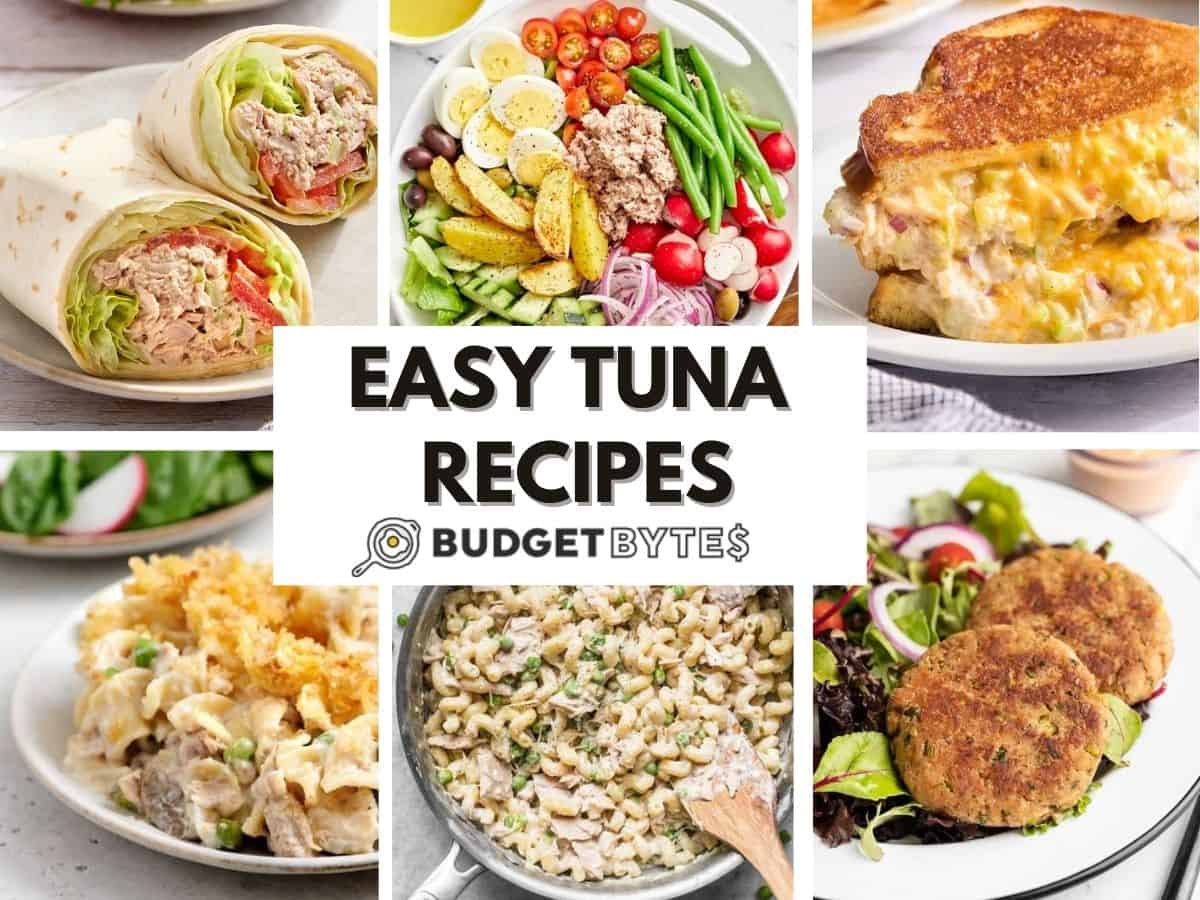
Tag: Meals

  • GAINS: Tuna Power Meals for Muscle Growth

    GAINS: Tuna Power Meals for Muscle Growth

    Introduction & My Personal Story

    Ah, the humble tuna. I remember my college days when I was a budding chef and an avid gym-goer, living on a shoestring budget. Tuna was my go-to protein source. Not only was it affordable, but it was also packed with the nutrients I needed to fuel my workouts and muscle growth. I would often experiment with different combinations, trying to keep my meals exciting and my taste buds entertained. One particular memory stands out: a late-night cooking session after an exhausting day of classes and gym. I opened my pantry to find a few cans of tuna and a couple of ingredients lying around. With a bit of creativity, I whipped up a dish that not only satisfied my hunger but also became a staple in my diet. This dish, which I fondly call “Tuna Power Meals,” is something I’ve perfected over the years. In my 5 years of experience as a chef, I’ve learned that the simplest ingredients can create the most powerful meals. Today, I’m thrilled to share my recipe for GAINS: Tuna Power Meals for Muscle Growth. Let’s dive into the world of flavors and fitness!

    Why You’ll Love This Recipe

    • High Protein Content: Each serving provides approximately 25g of protein, essential for muscle repair and growth.
    • Quick and Easy: Perfect for those who need a nutritious meal in under 30 minutes.
    • Versatile: Can be served in various ways – in wraps, over salads, or as a standalone dish.
    • Budget-Friendly: Uses cost-effective ingredients without compromising on nutrition.
    • Customizable: Easily adapt the recipe with your choice of herbs and spices.

    Detailed Ingredients

    • 2 cans of **tuna** (in water or oil), drained – approx. 280g total
    • 1/2 cup of **Greek yogurt** – about 120g
    • 1 **avocado**, ripe and mashed
    • 1 tablespoon of **lemon juice**
    • 1/4 cup of chopped **celery** – around 30g
    • 1/4 cup of chopped **red onion** – around 30g
    • 2 tablespoons of **fresh parsley**, finely chopped
    • Salt and pepper to taste
    • Optional: **sriracha sauce** for heat, **mustard** for tang

    Step-by-Step Instructions

    Step 1: Prepare the Ingredients
    Start by draining the cans of **tuna**. Use a fork to break the tuna into smaller flakes in a large mixing bowl. This will ensure that the tuna mixes evenly with the other ingredients.

    Step 2: Mix the Base
    Add the **Greek yogurt** and mashed **avocado** to the bowl with the tuna. The yogurt adds creaminess and tang, while the avocado provides healthy fats. Use a spatula to mix these ingredients until well combined.

    Step 3: Add Flavor and Texture
    Stir in the **lemon juice**, **chopped celery**, **red onion**, and **parsley**. These ingredients add crunch and freshness to the dish. Season with salt and pepper. If you like a bit of heat, add a splash of **sriracha sauce**.

    Step 4: Let It Chill
    For the best flavor, cover the bowl with plastic wrap and refrigerate for at least 30 minutes. This allows the flavors to meld together, creating a more cohesive and delicious dish.

    Step 5: Serve and Enjoy
    Once chilled, the Tuna Power Meal is ready to serve. You can enjoy it as a salad, in a wrap, or simply on its own. Chef’s Tip: Pair it with whole-grain bread or a side of quinoa for a complete meal.

    Common Mistakes to Avoid

    • Overmixing: This can make the tuna mushy. Mix just enough to combine the ingredients.
    • Not Draining Tuna Properly: Excess liquid can make the dish watery. Ensure the tuna is well-drained before mixing.
    • Skipping the Chill Time: This step is crucial for flavor development. Give it the 30 minutes it needs in the fridge.
    • Using Overly Ripe Avocados: They can overpower the dish. Choose avocados that are just ripe enough to mash easily.

    How to Store & Reheat

    Store any leftovers in an airtight container in the refrigerator. The Tuna Power Meal will last up to 3 days. When ready to eat, give it a good stir. If you prefer it warm, gently heat it in a pan over low heat, but it’s traditionally served cold.

    Ingredient Substitutions

    • Greek Yogurt: Can be replaced with sour cream or mayonnaise for a different flavor profile.
    • Avocado: If unavailable, try using hummus for a smooth texture.
    • Celery and Red Onion: Swap with bell peppers or scallions for a different crunch.

    Nutrition Facts

    • Calories: 300 kcal per serving
    • Protein: 25g
    • Fat: 15g
    • Carbs: 10g
    • Serving Size: 1 cup

    Frequently Asked Questions

    • Can I use fresh tuna instead of canned?
      Absolutely! Fresh tuna can be grilled or seared before mixing with the other ingredients.
    • Is this recipe suitable for meal prep?
      Yes, it’s perfect for meal prep. Make a batch and store it in the fridge for up to 3 days.
    • What can I serve with the Tuna Power Meal?
      Serve it with whole-grain bread, rice cakes, or a side of mixed greens.
    • Can I freeze this dish?
      Freezing is not recommended as it may change the texture of the yogurt and avocado.
    • How can I adjust the spice level?
      Increase or decrease the **sriracha sauce** according to your preference.
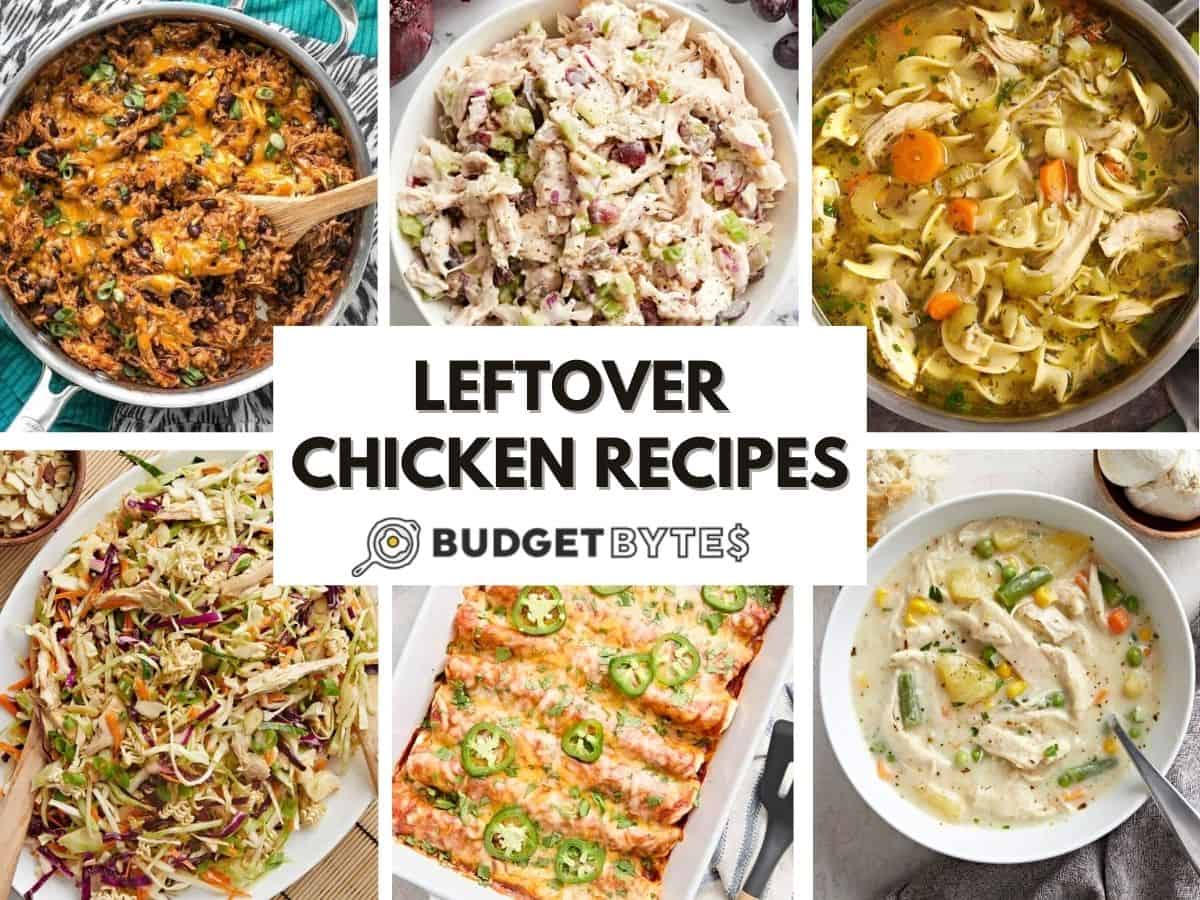

  • GAINS: Transform Leftover Chicken into Muscle Meals!

    GAINS: Transform Leftover Chicken into Muscle Meals!

    Introduction & My Personal Story

    When I think about leftover chicken, I’m instantly transported back to my early days as a young chef, bustling in the kitchen of a local fitness club. It was a time when every dish had to not only taste fantastic but also pack a punch of nutrition. Back then, I was tasked with creating meals that could fuel the bodybuilders and athletes who frequented the gym. One of my most cherished memories is the day I transformed a humble leftover rotisserie chicken into a powerhouse meal that had everyone asking for seconds.

    In my 5 years of experience, I’ve learned that leftover chicken is nothing short of a culinary gift. It’s versatile, packed with protein, and the perfect base for transforming mundane meals into muscle-building masterpieces. I remember one particular afternoon when we had a surplus of roasted chicken. With a little creativity and a lot of love, I whipped up a high-protein chicken stew that not only satisfied hungry athletes but also became a staple in our menu lineup. It was a moment that solidified my belief in the power of leftover chicken and its ability to fuel our bodies efficiently.

    Now, I want to share with you how you can turn your leftover chicken into meals that are not only delicious but also perfect for anyone looking to build muscle and maintain a healthy lifestyle. Whether you’re a seasoned athlete or just starting your fitness journey, these recipes will help you make the most out of what you already have in your fridge.

    Why You’ll Love This Recipe

    • High in Protein: Perfect for muscle growth and recovery.
    • Cost-Effective: Utilizes leftovers, saving money and reducing waste.
    • Quick and Easy: Minimal prep time for maximum nutrition.
    • Versatile: Can be adapted for soups, salads, casseroles, and more.
    • Delicious and Nutritious: Packed with flavor and essential nutrients.

    Detailed Ingredients

    Here’s what you’ll need to transform your leftover chicken into a meal that supports your fitness goals:

    • Cooked Chicken: About 2-3 cups of shredded or chopped chicken. Look for juicy pieces with a bit of crispy skin if you enjoy extra texture.
    • Chicken Broth: 2 cups, preferably low-sodium to control your salt intake.
    • Mixed Vegetables: 1 cup of your choice (e.g., bell peppers, carrots, broccoli). Fresh or frozen works well.
    • Whole Grains: 1 cup of cooked rice or quinoa for casseroles.
    • Leafy Greens: 2 cups for salads, such as spinach or kale.
    • Spices and Herbs: Salt, pepper, garlic powder, and your favorite herbs like thyme or basil.
    • Olive Oil: 2 tablespoons for sautéing and adding healthy fats.
    • Salsa or Tomato Sauce: 1 cup for those Mexican-inspired dishes.

    Step-by-Step Instructions

    The key to a successful leftover chicken dish is in the details. Follow these steps to create a meal that’s both satisfying and nutritious:

    Step 1: Prep the Chicken

    Begin by shredding or chopping your leftover chicken into bite-sized pieces. If it’s a bit dry, don’t worry – the cooking process will rehydrate it. Chef’s Tip: Keep a bit of the skin if you enjoy a richer flavor and texture.

    Step 2: Decide Your Dish

    Depending on your mood and ingredients on hand, choose your culinary path:

    • For Soups: In a pot, combine chicken, chicken broth, and mixed vegetables. Bring to a boil, then simmer for about 20 minutes. Season with salt, pepper, and herbs.
    • For Salads: Toss chicken with leafy greens, a handful of nuts, and a protein-rich dressing. Add a squeeze of lemon for freshness.
    • For Skillets: Sauté chicken with vegetables in olive oil over medium heat. Add spices to taste and serve hot.
    • For Casseroles: Layer chicken with cooked grains, vegetables, and sauce. Bake in a preheated oven at 180°C (350°F) for 25 minutes.
    • For Tacos or Quesadillas: Mix chicken with salsa and wrap in tortillas. Grill until the tortillas are slightly crispy.

    Step 3: Enhance the Flavor

    Use your favorite spices and herbs to bring out the best in your chicken. Garlic powder, thyme, and a dash of chili can elevate the taste significantly. Chef’s Tip: Don’t be afraid to experiment with different seasonings to keep your meals exciting.

    Step 4: Serve and Enjoy

    Portion out your creation and enjoy your meal. Whether it’s a comforting soup or a hearty casserole, you’ve got a high-protein dish that’s perfect for post-workout recovery.

    Common Mistakes to Avoid

    • Overcooking the Chicken: Leftover chicken can dry out quickly. Keep cooking times to a minimum.
    • Skipping the Seasoning: Always taste and adjust seasoning to enhance flavor.
    • Using Too Much Salt: Be mindful of salt, especially if using pre-seasoned chicken or broth.
    • Ignoring Texture: Balance textures by combining crispy, soft, and crunchy ingredients.

    How to Store & Reheat

    Proper storage is essential to maintain the quality of your leftover chicken dishes:

    • Refrigeration: Store in an airtight container for up to 3 days.
    • Freezing: Freeze portions in freezer-safe bags for up to 3 months. Thaw in the refrigerator overnight before reheating.
    • Reheating: Reheat in a pan over medium heat or in the microwave, adding a splash of broth or water to maintain moisture.

    Ingredient Substitutions

    If you need to make swaps, here are some safe substitutions:

    • Chicken: Use turkey or tofu for a vegetarian option.
    • Broth: Vegetable broth works as a great alternative.
    • Grains: Substitute with couscous or barley.
    • Leafy Greens: Arugula or romaine lettuce can replace spinach or kale.

    Nutrition Facts

    • Calories: Approximately 350 kcal per serving
    • Protein: 35g
    • Fat: 15g
    • Carbohydrates: 25g
    • Serving Size: 1 bowl or plate

    Frequently Asked Questions

    Q: Can I use raw chicken instead of leftover chicken?

    A: Absolutely, just make sure to cook it thoroughly before adding it to your dish.

    Q: What’s the best way to keep the chicken moist?

    A: Use a bit of broth or sauce when reheating to add moisture back into the chicken.

    Q: Can I add more vegetables?

    A: Yes, feel free to add as many vegetables as you like to boost the nutritional value.

    Q: Is it okay to use canned vegetables?

    A: Yes, but be sure to rinse them to reduce sodium content.