Tag: Homemade

  • ZERO PREP: Zesty Homemade Cocktail Sauce for Instant Party Fun!

    ZERO PREP: Zesty Homemade Cocktail Sauce for Instant Party Fun!

    Introduction & My Personal Story

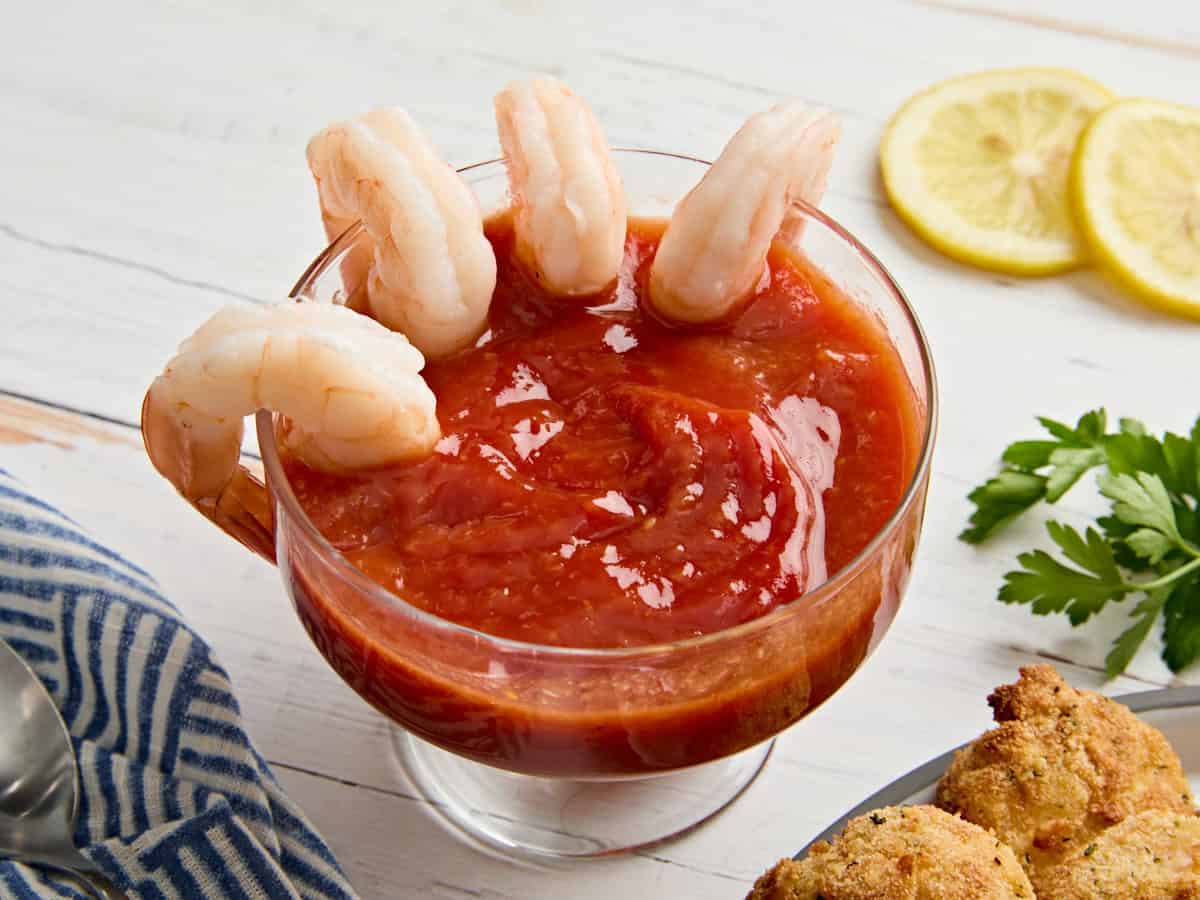
    There’s something magical about a sauce that can elevate a dish and bring people together. My journey with this Zesty Homemade Cocktail Sauce dates back to a summer when I was just starting out in my culinary career. It was my first big family gathering after I took the leap into the world of cooking. I was tasked with preparing shrimp cocktail for a party of twenty, and I knew the real star would be the sauce. I remember standing in the kitchen, surrounded by the hustle and bustle of family chatter, as I meticulously mixed ingredients, tasting and adjusting until it was just right. The first bite was a revelation—a perfect balance of tangy, spicy, and savory. It was a hit, and from that moment, I knew I had a secret weapon in my culinary arsenal. In my 5 years of experience, I’ve learned that sometimes the simplest recipes, like this cocktail sauce, can make the biggest impact. It’s a quick, no-cook solution for any party or quick snack, and it’s been a staple in my kitchen ever since.

    Why You’ll Love This Recipe

    • Quick and Easy: Ready in under 5 minutes with zero cooking required.
    • Minimal Ingredients: Only 7 pantry staples needed.
    • Customizable: Adjust the heat and tang to your liking.
    • Versatile: Perfect for shrimp, oysters, fries, and more.
    • Party Favorite: A guaranteed hit at any gathering.

    Detailed Ingredients

    • ½ cup ketchup: Look for a brand with natural ingredients for the best base flavor.
    • 2 tbsp prepared horseradish: Fresh and pungent, this adds the signature kick.
    • Juice of ½ lemon: Freshly squeezed for that bright, zesty flavor.
    • ½ tbsp Worcestershire sauce: Adds depth and umami.
    • ¼ tsp hot sauce: Choose your favorite brand to control the heat level.
    • ⅛ tsp salt: Enhances all the flavors.
    • ⅛ tsp black pepper: Freshly ground for a subtle spice.

    Step-by-Step Instructions

    Step 1: Gather Your Ingredients
    Before you start, ensure all your ingredients are measured and ready. This makes the process smooth and stress-free, which is ideal when you’re in a rush. Chef’s Tip: Use fresh lemon juice for the best flavor burst.

    Step 2: Combine the Ingredients
    In a medium-sized mixing bowl, add the ½ cup ketchup, 2 tbsp prepared horseradish, and the juice of ½ lemon. Stir gently with a spoon until the mixture is smooth and the ketchup and horseradish are well blended.

    Step 3: Add the Flavor Boosters
    Pour in the ½ tbsp Worcestershire sauce and ¼ tsp hot sauce. These two ingredients will add depth and a slight heat to your sauce. Mix thoroughly until everything is well incorporated.

    Step 4: Season to Perfection
    Finally, sprinkle in ⅛ tsp salt and ⅛ tsp black pepper. Stir again, ensuring that the seasoning is evenly distributed. Taste and adjust any flavors if necessary. Chef’s Tip: Let it sit for a few minutes to allow the flavors to meld.

    Step 5: Serve or Store
    Your cocktail sauce is now ready to enjoy! Serve it immediately with your favorite seafood or store it in an airtight container in the refrigerator for later use. It’s best consumed within a week for optimal freshness.

    Common Mistakes to Avoid

    • Overpowering Heat: Be cautious with the hot sauce. Start with a small amount and adjust to taste.
    • Skipping Fresh Lemon Juice: Bottled lemon juice lacks the vibrant flavor of fresh. Always opt for fresh.
    • Not Mixing Well: Ensure all ingredients are thoroughly combined to avoid uneven flavor distribution.

    How to Store & Reheat

    Store your cocktail sauce in an airtight container in the refrigerator. It will keep for up to one week. If you find the sauce has thickened after refrigeration, let it sit at room temperature for a few minutes and stir before serving. This sauce is not suitable for freezing as it can alter the texture and flavor.

    Ingredient Substitutions

    • Ketchup: Substitute with tomato paste and a pinch of sugar for a thicker, less sweet version.
    • Prepared Horseradish: If unavailable, mix freshly grated horseradish with a touch of vinegar.
    • Worcestershire Sauce: Soy sauce with a dash of vinegar can be a quick alternative.
    • Hot Sauce: Use cayenne pepper or chili flakes if you prefer dry heat.

    Nutrition Facts

    • Calories: 30 per 2-tablespoon serving
    • Protein: 0g
    • Fat: 0g
    • Carbs: 8g
    • Serving Size: 2 tablespoons

    Frequently Asked Questions

    • Can I make this sauce in advance?
      Absolutely! It can be made a day ahead and stored in the fridge.
    • Is this sauce gluten-free?
      Yes, ensure your Worcestershire sauce and ketchup are gluten-free.
    • How can I make it less spicy?
      Reduce or omit the hot sauce to suit your taste.
    • Can I use lime instead of lemon?
      Yes, lime juice can offer a slightly different but still delicious citrus note.
    • What can I serve this with besides seafood?
      Try it with fries, chicken tenders, or as a burger topping.
  • LATE NIGHT FUEL: My Homemade Teriyaki Sauce Outshines Store-Bought Every Time!

    LATE NIGHT FUEL: My Homemade Teriyaki Sauce Outshines Store-Bought Every Time!

    Introduction & My Personal Story

    There’s something magical about creating a sauce that can transform any dish into a mouthwatering masterpiece. My journey with homemade teriyaki sauce began during a late-night cooking session in my early culinary days. Picture this: it was a Friday night, and after a long week, I found solace in my kitchen. I had a craving for something savory and sweet but didn’t want to rely on the store-bought bottles that often left me wanting more. So, I decided to whip up my own version of teriyaki sauce. As I combined the ingredients, the familiar aroma of soy sauce, brown sugar, and freshly minced garlic filled the air. That’s when I realized the true power of homemade cooking.

    In my 5 years of experience, I’ve learned that the secret to an unforgettable teriyaki sauce lies in the balance of flavors. The ginger adds a zing, the garlic provides depth, and the brown sugar offers just the right amount of sweetness. That night, as I tasted my creation, I knew I had stumbled upon something special. It was a sauce that could outshine any store-bought version, and it has been my go-to ever since. Whether it’s for a quick stir-fry or as a glaze on grilled chicken, this sauce has become a staple in my kitchen, and I can’t wait to share it with you.

    Why You’ll Love This Recipe

    • Quick and easy to prepare, perfect for late-night cravings.
    • Uses simple pantry ingredients that you likely already have.
    • Customizable thickness with optional cornstarch.
    • Enhances the flavor of meat, tofu, or vegetables.
    • Free from preservatives and artificial flavors found in store-bought versions.

    Detailed Ingredients

    Here’s what you’ll need to make this fantastic teriyaki sauce:

    • 1/4 cup soy sauce (60 ml) – Opt for a low-sodium version if preferred.
    • 3 tablespoons brown sugar (45 grams) – Packed tightly.
    • 1 tablespoon water (15 ml) – To help dissolve the sugar.
    • 1 clove garlic, minced – Freshly minced for the best flavor.
    • 1 teaspoon grated ginger – Fresh ginger root for that zing.
    • Optional: 1 tablespoon cornstarch (8 grams) – For thickening the sauce.

    Step-by-Step Instructions

    Let’s dive into making this teriyaki sauce that will surely become a staple in your kitchen.

    Step 1: Mix the Marinade

    In a medium-sized bowl, combine 1/4 cup soy sauce, 3 tablespoons brown sugar, 1 tablespoon water, 1 clove of minced garlic, and 1 teaspoon grated ginger. Stir until the sugar is completely dissolved. Chef’s Tip: Use a whisk to ensure the ingredients are well combined and the sugar isn’t settling at the bottom.

    Step 2: Marinate Your Choice of Protein

    Pour the marinade over your choice of protein, such as chicken, tofu, or fish. Allow it to marinate for at least 15-30 minutes to let the flavors penetrate. If you’re short on time, even a quick 10-minute soak will do wonders. Chef’s Tip: For a deeper flavor, marinate overnight in the refrigerator.

    Step 3: Thicken the Sauce (Optional)

    If you prefer a thicker sauce, mix 1 tablespoon cornstarch with 1/2 cup water until smooth. Add this mixture to the marinade and transfer to a saucepan. Simmer over medium heat, whisking continuously until the sauce thickens and coats the back of a spoon. This should take about 5 minutes.

    Step 4: Use in Stir-Fry or as a Glaze

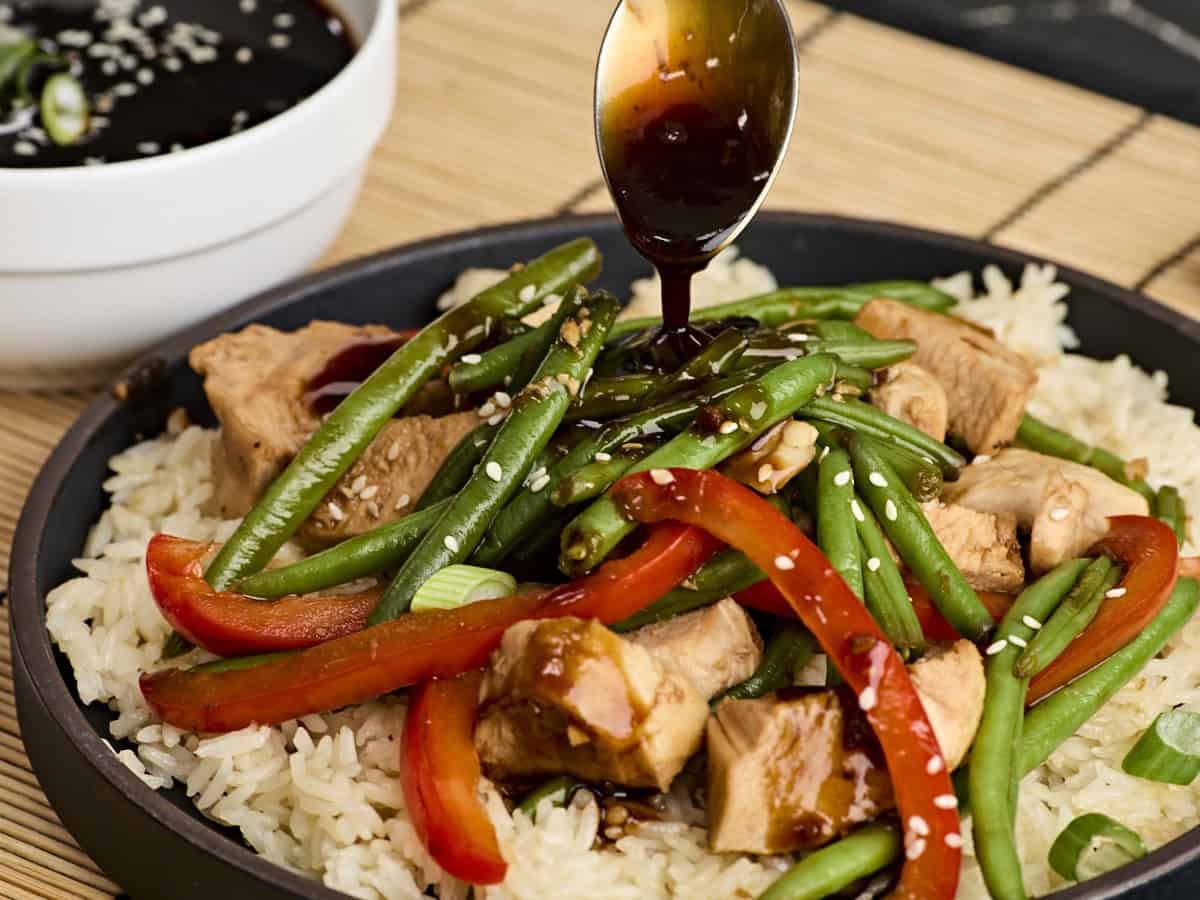
    Once your sauce is ready, add it directly to a hot pan of stir-fried vegetables or protein for an instant flavor boost. Alternatively, brush it onto grilled or baked items during the last few minutes of cooking for a delightful glaze.

    Common Mistakes to Avoid

    • Using too much cornstarch can make the sauce overly thick and gloopy. Stick to the recommended amount.
    • Over-marinating can result in a too-salty dish, especially with soy sauce. Keep marinating time under 24 hours.
    • Not simmering the sauce long enough can prevent proper thickening. Ensure you whisk continuously to avoid lumps.

    How to Store & Reheat

    Once your sauce is prepared, allow it to cool completely. Transfer it to an airtight container or jar and refrigerate. It will keep fresh for up to one week. To reheat, simply warm it in a saucepan over low heat, stirring occasionally. If it thickens too much in the fridge, add a splash of water to reach your desired consistency.

    Ingredient Substitutions

    Need to make some swaps? No problem! Here are some safe substitutions:

    • For a gluten-free version, use tamari instead of soy sauce.
    • Replace brown sugar with honey or maple syrup for a different sweetness profile.
    • If fresh ginger is unavailable, use 1/4 teaspoon of ground ginger.

    Nutrition Facts

    Here’s the nutritional breakdown per serving (approximately 2 tablespoons):

    • Calories: 40
    • Protein: 1g
    • Fat: 0g
    • Carbohydrates: 10g
    • Serving Size: 2 tablespoons

    Frequently Asked Questions

    • Can I make this sauce ahead of time? Yes, it stores well in the refrigerator for up to a week.
    • Is this sauce vegan? Yes, all the ingredients are plant-based.
    • Can I freeze the sauce? Absolutely! Freeze in a sealed container for up to 3 months. Thaw overnight in the fridge before use.
    • How can I make it spicier? Add a pinch of red pepper flakes or a dash of hot sauce to the marinade.
    • What can I use this sauce for? It’s perfect for stir-fries, marinades, glazes, or even as a dipping sauce.

  • LATE NIGHT FUEL: Homemade Egg Rolls That Outshine Takeout (and Cost Just Pennies!)

    LATE NIGHT FUEL: Homemade Egg Rolls That Outshine Takeout (and Cost Just Pennies!)

    Introduction & My Personal Story

    There was a time, during my culinary school days, when late-night cravings would often strike amidst marathon study sessions. The cafeteria was closed, and my options were limited, but my hunger was fierce. It was during these late hours that I stumbled upon the perfect solution: **Homemade Egg Rolls**. They were not only a delicious treat but also a cost-effective way to fuel my brain for those long nights. I remember the first time I decided to make them from scratch, outshining any takeout I had ever tried. The crispiness of the baked wrapper, the savory filling of vegetables, and the aroma filling my tiny student kitchen were simply unforgettable. Over time, these egg rolls became my go-to recipe, and I discovered that they were not just a snack but a symbol of those hardworking nights. In my 5 years of experience as a chef, I’ve refined this recipe to perfection, making it a reliable companion for anyone needing a late-night boost.

    Why You’ll Love This Recipe

    • Cost-Effective: These egg rolls cost just pennies compared to takeout.
    • Healthier Option: Baked instead of fried, they offer all the crunch without the guilt.
    • Customizable: Easily adaptable with your favorite ingredients.
    • Easy Preparation: Simple steps make it accessible for any skill level.
    • Perfect for Meal Prep: Make a batch and store for later cravings.

    Detailed Ingredients

    Here’s what you’ll need to make these delicious egg rolls:

    • 1 tablespoon vegetable oil (15 ml)
    • 3 medium green onions, sliced (about 45 grams)
    • 2 small garlic cloves, minced (about 6 grams)
    • 1 inch fresh ginger, peeled and grated (about 10 grams)
    • 4 ounces mushrooms, cleaned and sliced (about 115 grams)
    • 2 medium carrots, peeled and grated (about 100 grams)
    • 1 small head green cabbage, cored and thinly sliced (about 450 grams)
    • ½ tablespoon cornstarch (7 grams)
    • ¼ cup soy sauce (60 ml)
    • 1 teaspoon sesame oil (5 ml)
    • 20 egg roll wrappers
    • Non-stick cooking spray

    When shopping, look for fresh and crisp vegetables. The cabbage should be firm, and the mushrooms clean and free of spots.

    Step-by-Step Instructions

    Here’s how to make these egg rolls, step-by-step:

    Step 1: Prep Your Veggies

    Start by cleaning and cutting all your vegetables. Grate the carrots and ginger, and slice the green onions and mushrooms. This prep work will ensure a smooth cooking process.

    Step 2: Sauté Aromatics

    In a large skillet, heat the vegetable oil over medium heat. Add the sliced green onions, minced garlic, and grated ginger. Sauté for about 1-2 minutes until they’re softened and fragrant. Chef’s Tip: Keep an eye on the garlic to ensure it doesn’t burn, which can turn it bitter.

    Step 3: Add Mushrooms

    Next, add the sliced mushrooms to the skillet. Cook them until they release their moisture and start to brown slightly, about 5 minutes.

    Step 4: Mix in Other Veggies

    Add the grated carrots and sliced cabbage to the skillet. Stir everything together and cook until the cabbage wilts and becomes tender, around 10 minutes.

    Step 5: Prepare the Sauce

    In a small bowl, dissolve the cornstarch in the soy sauce. Pour this mixture over the veggies in the skillet, stirring to create a light glaze. Add the sesame oil and turn off the heat. Taste the mixture and adjust the seasoning if needed.

    Step 6: Fill the Egg Rolls

    Lay an egg roll wrapper on a clean surface. Place about 1/4 cup of the filling slightly off-center. Fold the bottom corner over the filling, then fold the sides in, and roll it up tightly. Use a little water to seal the edges.

    Step 7: Preheat the Oven

    Preheat your oven to 425°F (220°C). Line a baking sheet with aluminum foil and lightly spray it with non-stick cooking spray. Place the egg rolls on the sheet and lightly spray the tops as well.

    Step 8: Bake

    Bake the egg rolls for 20-25 minutes, turning them halfway through, until they’re golden brown and crispy. Let them cool slightly before serving.

    Common Mistakes to Avoid

    Here are some pitfalls to watch out for:

    • Overstuffing: This can cause the rolls to burst while baking. Stick to about 1/4 cup of filling per wrapper.
    • Not sealing properly: Use enough water to ensure the edges are sealed, preventing leaks.
    • Skipping the flip: Flipping the rolls halfway ensures even browning.

    How to Store & Reheat

    To store leftover egg rolls, let them cool completely and place them in an airtight container. They will keep in the refrigerator for up to 3 days. For longer storage, freeze them for up to 2 months.

    To reheat, preheat your oven to 350°F (175°C) and bake the egg rolls for about 10 minutes until heated through and crispy.

    Ingredient Substitutions

    If you’re missing an ingredient or need to adapt the recipe, here are some substitutions:

    • Mushrooms: Substitute with bell peppers or zucchini for a different texture.
    • Green Cabbage: Use napa cabbage or even bok choy.
    • Soy Sauce: Tamari or coconut aminos work as gluten-free alternatives.

    Nutrition Facts

    • Calories: 150 per egg roll
    • Protein: 4 grams
    • Fat: 3 grams
    • Carbs: 25 grams
    • Serving Size: 1 egg roll

    Frequently Asked Questions

    • Can I fry these egg rolls instead of baking?
      Yes, you can fry them in vegetable oil until golden brown for a crispier texture.
    • Can I make these egg rolls ahead of time?
      Absolutely! Assemble them and keep them in the fridge for up to a day before baking.
    • What dipping sauce pairs well with these egg rolls?
      A sweet chili sauce or soy sauce with a splash of lime is delicious.
    • Are these egg rolls vegan?
      Yes, they are vegan as long as you use vegan-friendly egg roll wrappers.
    • Can I add protein to this recipe?
      Certainly! Add cooked shrimp, chicken, or tofu for extra protein.

  • LATE NIGHT FUEL: Sip Your Way to Cozy with This Comforting Homemade Golden Milk ✨

    LATE NIGHT FUEL: Sip Your Way to Cozy with This Comforting Homemade Golden Milk ✨

    Introduction & My Personal Story

    Picture this: It’s a chilly night, and the moonlight is spilling through the windows. After a long day, I find myself craving something comforting yet nourishing. That’s when I remember the first time I discovered the magic of Golden Milk. About five years ago, during a culinary trip to India, I was introduced to this warm, golden elixir. It was a late night in Jaipur, the air was filled with the scent of spices, and I was exhausted after a day of exploring. A local chef offered me a cup of golden milk, and with the first sip, I was enveloped in warmth and comfort. The blend of turmeric, cinnamon, and ginger was unlike anything I had tasted before, and I knew I had stumbled upon something special.

    Fast forward to today, as a chef with five years of experience, I’ve perfected this recipe to suit late-night hustlers like you and me. It’s not just a drink; it’s an experience—a hug in a mug that recharges the spirit and fuels the night’s endeavors. Whether you’re burning the midnight oil on a project or simply winding down after a long day, this homemade Golden Milk is your go-to beverage for those cozy, late-night moments.

    Why You’ll Love This Recipe

    • Rich in antioxidants from **turmeric** and **cinnamon**.
    • Helps promote relaxation and better sleep.
    • Easy to make with ingredients you likely have at home.
    • Customizable to suit your taste preferences and dietary needs.
    • Offers a caffeine-free energy boost for late-night productivity.

    Detailed Ingredients

    • 1½ teaspoons turmeric – Look for organic turmeric for the best flavor and health benefits.
    • 1 teaspoon vanilla extract – Pure vanilla extract enhances the flavor profile.
    • ½ teaspoon cinnamon – Ground cinnamon adds warmth and sweetness.
    • ¼ teaspoon cardamom – Freshly ground cardamom is preferred for its aromatic qualities.
    • ¼ teaspoon black pepper – Essential for activating the curcumin in turmeric.
    • 1 can coconut milk (400ml) – Full-fat coconut milk gives a creamy texture.
    • 2 cups milk (almond, coconut, or whole) – Choose your preferred milk for the base.
    • Honey – Add to taste for sweetness.
    • Fresh ginger – A thumb-sized piece, grated for a spicy kick.

    Step-by-Step Instructions

    Step 1: Gather Ingredients
    Before starting, ensure you have all the ingredients ready. This will make the process smoother and more enjoyable. Measure out **turmeric**, **vanilla extract**, **cinnamon**, **cardamom**, and **black pepper**. Open your can of **coconut milk** and have your chosen **milk** ready. Grate the **fresh ginger** and have **honey** on standby for later.

    Step 2: Combine in a Pot
    In a medium-sized saucepan, combine the **turmeric**, **vanilla extract**, **cinnamon**, **cardamom**, **black pepper**, **coconut milk**, and your chosen **milk**. Set the heat to low. Chef’s Tip: Keep the heat low to gently infuse the spices without boiling, which can alter the flavors. Simmer for about 5 minutes, whisking occasionally to ensure everything is well mixed.

    Step 3: Add Ginger
    Add the grated **fresh ginger** to the pot. Whisk the mixture to incorporate the ginger thoroughly. You should start to smell the fragrant spices coming together, a sign that the flavors are melding beautifully.

    Step 4: Strain Mixture
    After simmering, strain the mixture into a bowl using a fine mesh sieve to remove the ginger fibers and any undissolved spices. This step ensures a smooth and creamy texture for your golden milk.

    Step 5: Return to Pot
    Pour the strained mixture back into the pot. Heat gently and add **honey** to taste. Whisk until the honey is completely dissolved. Chef’s Tip: Taste as you go to balance the sweetness according to your preference.

    Step 6: Serve Hot
    Pour the Golden Milk into your favorite mug and enjoy it hot. It’s the perfect companion for late-night reading or a quiet moment of reflection.

    Common Mistakes to Avoid

    • Boiling the Milk: Keep the heat low to prevent the milk from boiling, which can cause the spices to become bitter.
    • Skipping the Strain: Always strain the mixture to remove any gritty texture from undissolved spices.
    • Not Adjusting Sweetness: Honey is to taste, so don’t skip tasting to ensure it’s just right for you.

    How to Store & Reheat

    Store any leftover Golden Milk in an airtight container in the refrigerator for up to 3 days. To reheat, pour the desired amount into a saucepan and warm over low heat, stirring occasionally. Avoid microwaving as it can alter the texture and flavor.

    Ingredient Substitutions

    • Milk Alternatives: Use any plant-based milk like oat or soy if you prefer to keep it vegan.
    • Sweeteners: Replace honey with maple syrup or agave nectar for a vegan option.
    • Spice Variations: Add a pinch of nutmeg or cloves for a different spice profile.

    Nutrition Facts

    • Calories: 210 per serving
    • Protein: 2g
    • Fat: 12g
    • Carbs: 23g
    • Serving Size: 1 cup

    Frequently Asked Questions

    Q: Can I make Golden Milk in advance?
    A: Absolutely! Make a batch and store it in the fridge for up to 3 days. Reheat gently on the stove before serving.

    Q: Is Golden Milk suitable for kids?
    A: Yes, but adjust the spices according to their taste preference and consult with a pediatrician if necessary.

    Q: Can I use ground ginger instead of fresh?
    A: You can, but fresh ginger offers a more vibrant flavor. If using ground, start with ¼ teaspoon and adjust to taste.

    Q: What are the benefits of drinking Golden Milk?
    A: It’s known for its anti-inflammatory properties, aids digestion, and can help with relaxation and sleep.

  • ZERO PREP: 1-Minute Homemade Poultry Seasoning That Will Change the Game!

    ZERO PREP: 1-Minute Homemade Poultry Seasoning That Will Change the Game!

    Introduction & My Personal Story

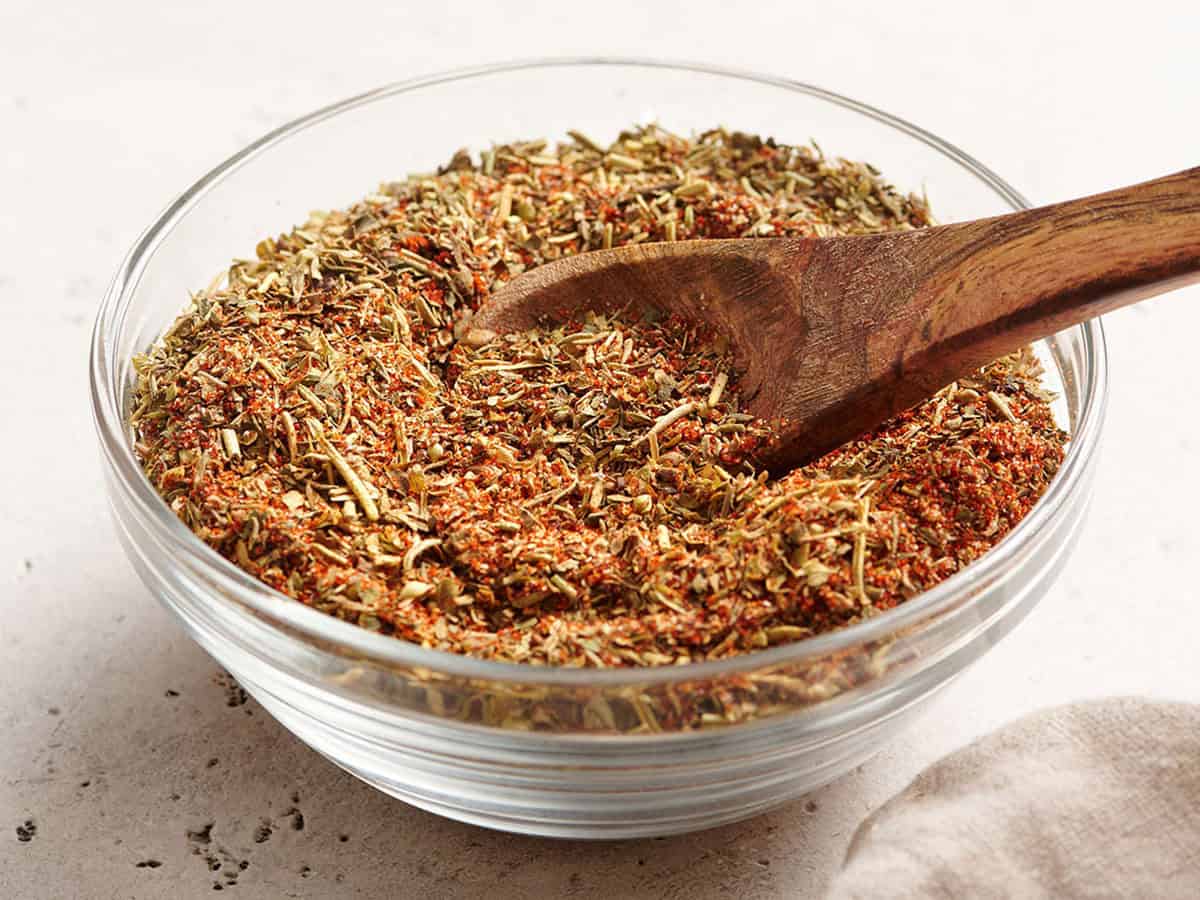
    Ah, poultry seasoning—a staple in my kitchen that holds more than just a blend of spices. I remember when I first discovered the magic of this seasoning. It was a chilly autumn evening, and my grandmother was preparing her famous roast chicken. The aroma that wafted through the house was nothing short of enchanting. As a young culinary enthusiast, I was captivated by the symphony of scents and flavors. I watched her closely, noticing how she meticulously measured out each ingredient, combining them with a gentle touch. The result was a roast chicken that was both comforting and flavorful, with a seasoning blend that danced on the palate. Fast forward to today, in my 5 years of experience as a chef, I’ve learned to appreciate the simplicity and versatility of a good poultry seasoning. It’s the secret weapon I reach for when I want to elevate my dishes without spending hours in the kitchen. Whether you’re a seasoned cook or just starting out, this zero-prep, 1-minute homemade poultry seasoning is a game-changer. Trust me, once you try it, you’ll wonder how you ever cooked without it.

    Why You’ll Love This Recipe

    • Quick and Easy: Ready in just 1 minute with zero prep.
    • Customizable: Adjust the spices to suit your taste.
    • Cost-Effective: Uses common pantry staples.
    • Versatile: Perfect for chicken, turkey, and more.
    • Long Shelf Life: Store it for months and use it as needed.
    • No Heat Required: A simple mix-and-store recipe.

    Detailed Ingredients

    For this homemade poultry seasoning, you’ll need the following ingredients:

    • 1 Tbsp dried thyme – Look for vibrant green leaves, indicating freshness.
    • 1 Tbsp dried basil – Opt for a sweet aroma and deep green color.
    • 1 Tbsp dried oregano – Choose a brand with a robust, peppery scent.
    • 1 Tbsp paprika – Go for a bright red color, which signifies quality.
    • 2 tsp dried rosemary – Look for whole leaves, not crushed.
    • 1 tsp onion powder – Ensure it’s a fine, dry powder without clumps.
    • ½ tsp garlic powder – Choose a light beige color for the best flavor.

    Step-by-Step Instructions

    Step 1: Gather Your Ingredients

    Begin by gathering all your spices. Having everything at hand makes the process seamless. Chef’s Tip: Ensure your spices are fresh for the best flavor. If they’ve been sitting in your pantry for over a year, consider replacing them.

    Step 2: Measure Precisely

    Using measuring spoons, carefully measure each ingredient. Precision is key here to maintain the balance of flavors. Combine 1 Tbsp dried thyme, 1 Tbsp dried basil, 1 Tbsp dried oregano, 1 Tbsp paprika, 2 tsp dried rosemary, 1 tsp onion powder, and ½ tsp garlic powder into a small mixing bowl.

    Step 3: Mix Thoroughly

    Using a small whisk or spoon, mix the ingredients until they are well combined. You should not see any distinct layers of color—everything should be a uniform blend. This ensures that every teaspoon you use later will have a balanced flavor.

    Step 4: Store Properly

    Transfer your seasoning blend into an airtight container. Store it in a cool, dark place away from direct sunlight and heat. This will help maintain its potency and freshness for up to six months. Chef’s Tip: Label the container with the date you made it so you can keep track of its freshness.

    Common Mistakes to Avoid

    While this recipe is straightforward, there are a few pitfalls to watch out for:

    • Using Stale Spices: Old spices can lead to a bland seasoning. Always check their freshness before mixing.
    • Incorrect Measurements: Even a slight deviation can alter the flavor balance. Use precise measurements.
    • Improper Storage: Exposure to light and air can degrade the spices. Always store in an airtight container.

    How to Store & Reheat

    This seasoning blend doesn’t require reheating, but proper storage is crucial for maintaining its flavor:

    • Storage: Keep your poultry seasoning in an airtight container in a cool, dark place. A pantry or cupboard works well.
    • Shelf Life: When stored correctly, this blend can last up to six months with its full flavor intact.

    Ingredient Substitutions

    If you’re missing some ingredients, here are safe substitutions:

    • Dried Thyme: Substitute with marjoram or savory.
    • Dried Basil: Swap with dried parsley or tarragon for a different twist.
    • Onion Powder: Granulated onion can be used in equal measure.
    • Garlic Powder: Granulated garlic is a fine substitute.

    Nutrition Facts

    • Calories: 6 per teaspoon
    • Protein: 0.2g
    • Fat: 0.1g
    • Carbohydrates: 1.3g
    • Serving Size: 1 teaspoon

    Frequently Asked Questions

    • Can I use fresh herbs instead of dried ones? While fresh herbs have a more vibrant flavor, they also contain moisture, which can affect the storage life of the blend. Stick with dried for this seasoning.
    • Is this seasoning blend gluten-free? Yes, all ingredients in this blend are naturally gluten-free.
    • Can I double the recipe? Absolutely! Just maintain the same proportions to keep the flavor balance intact.
    • How much seasoning should I use per pound of poultry? A good rule of thumb is 1 to 2 teaspoons per pound, depending on your taste preference.
    • Is this seasoning only for poultry? Not at all! Try it on roasted vegetables or as a rub for pork.

  • 5-MIN FUEL: Delicious & Versatile Homemade Hummus!

    5-MIN FUEL: Delicious & Versatile Homemade Hummus!

    Introduction & My Personal Story

    Ah, hummus. Every time I whip up a batch, I’m transported back to my childhood kitchen, where the comforting aroma of garlic and tahini would dance through the air. My mother, a culinary genius in her own right, would often prepare this creamy delight as a snack for our bustling family gatherings. It was her go-to dish, not only because of its simplicity but because it brought everyone together around the kitchen table, each of us dipping our pita bread or crunchy veggies into the communal bowl. In my 5 years of experience as a chef and food blogger, I’ve come to realize that this humble dish is much more than a simple snack—it’s a bridge that connects people through taste and tradition. Whether you’re a seasoned cook or a kitchen novice, this 5-minute homemade hummus recipe is a testament to the fact that great food doesn’t have to be complicated. Let’s dive into how you can bring this delicious and versatile dish into your own home.

    Why You’ll Love This Recipe

    • Ready in just 5 minutes, perfect for busy schedules.
    • Rich in protein and fiber, making it a nutritious snack.
    • Versatile base that can be customized with various flavors.
    • Uses simple pantry ingredients you likely already have.
    • Vegan and gluten-free, catering to a wide range of dietary needs.

    Detailed Ingredients

    To make this delicious homemade hummus, gather the following ingredients:

    • 1 can (15 oz) of chickpeas (also known as garbanzo beans). Look for ones without added preservatives for the best flavor.
    • 2 tablespoons of olive oil. Extra virgin is preferred for its robust flavor.
    • ¼ cup of lemon juice, freshly squeezed for a bright, tangy kick.
    • ¼ cup of tahini. Opt for a smooth, high-quality brand to avoid a bitter taste.
    • 1 clove of garlic, peeled. Fresh garlic is key for that spicy undertone.
    • ½ teaspoon of salt. Adjust according to taste.
    • ¼ teaspoon of cumin. Adds a warm, earthy depth to the hummus.
    • Optional: A splash of water to adjust consistency.

    Step-by-Step Instructions

    Step 1: Start by draining and rinsing the can of **chickpeas**. This removes excess sodium and helps to achieve that smooth texture in your hummus. Chef’s Tip: For an extra creamy texture, you can peel the skins off the chickpeas, although it’s not necessary if you’re short on time.

    Step 2: In a food processor, combine the drained **chickpeas**, **olive oil**, **lemon juice**, **tahini**, **garlic**, **salt**, and **cumin**. Pulse the mixture for about 30 seconds to start breaking everything down.

    Step 3: Scrape down the sides of the food processor and continue to pulse until the mixture is smooth and creamy. This should take about 1-2 minutes. If the hummus is too thick, add a splash of water or more **olive oil** and pulse again until you reach your desired consistency.

    Step 4: Taste the hummus and adjust the seasoning as needed. You might want to add more **salt**, **lemon**, or **garlic** depending on your preference.

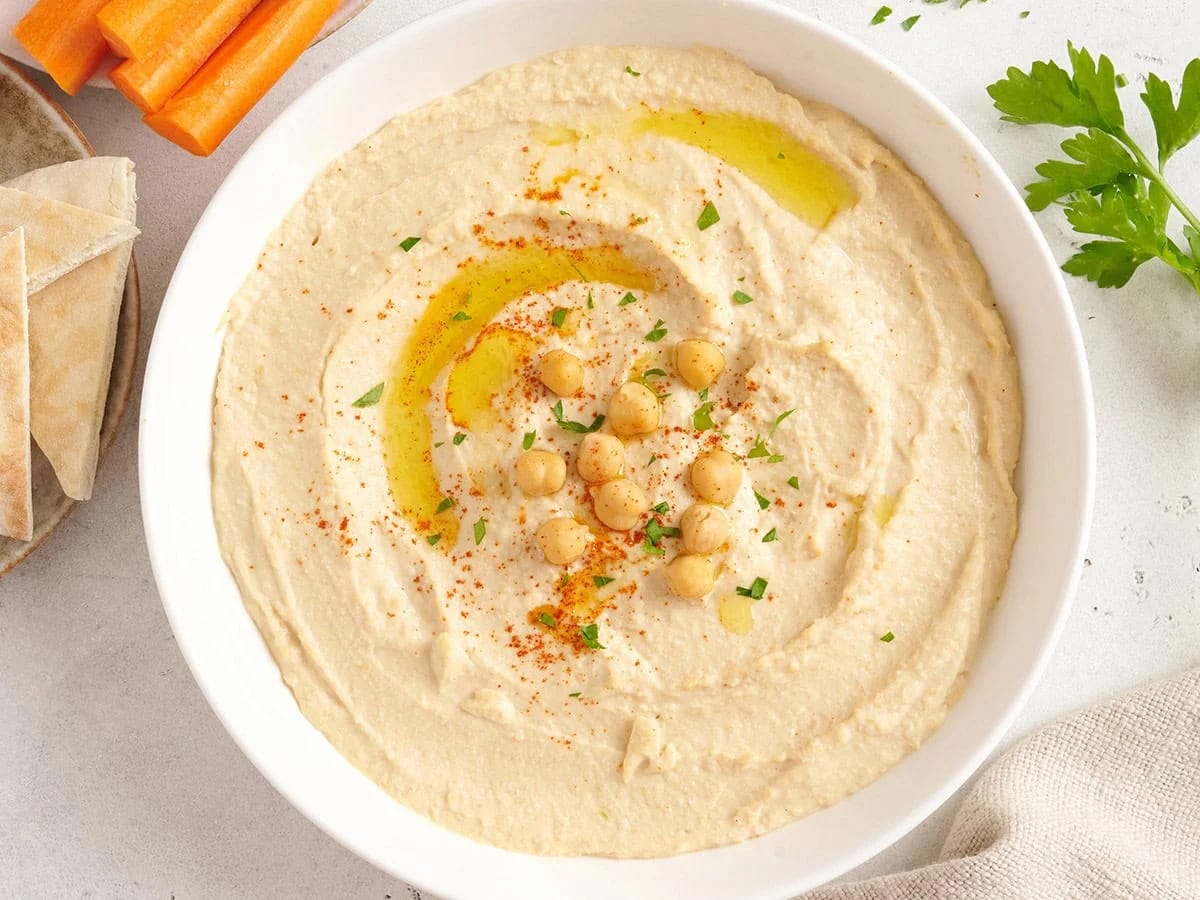
    Step 5: Serve immediately with pita bread, fresh vegetables, or as a spread for sandwiches. Feel free to customize with flavor variations like roasted red pepper or sun-dried tomato for a unique twist.

    Common Mistakes to Avoid

    • **Using canned chickpeas without rinsing:** This can lead to an overly salty hummus.
    • **Over-processing the mixture:** This can make the hummus too fluffy rather than creamy. Pulse until just smooth.
    • **Skipping the tahini:** Tahini is essential for that authentic hummus flavor. Don’t skip it!
    • **Not tasting as you go:** Always taste and adjust seasonings before serving.

    How to Store & Reheat

    Store your homemade hummus in an airtight container in the refrigerator. It will keep well for up to 5 days. If the hummus separates over time, just give it a good stir before serving. While hummus is best enjoyed fresh, if you need to reheat it, gently warm it in the microwave for 30 seconds, stirring halfway through. However, it’s typically served cold or at room temperature.

    Ingredient Substitutions

    • If you’re out of **tahini**, try using almond butter or sunflower seed butter for a nutty flavor.
    • No **lemon juice**? Lime juice can work in a pinch, though it will alter the flavor slightly.
    • To make it oil-free, replace **olive oil** with a bit of aquafaba (the liquid from the chickpea can) or water.

    Nutrition Facts

    Here’s a quick look at the nutrition profile for a serving size of 2 tablespoons:

    • Calories: 166 kcal
    • Protein: 5 grams
    • Fat: 13 grams
    • Carbs: 9 grams
    • Serving Size: 2 tablespoons

    Frequently Asked Questions

    Q1: Can I use dried chickpeas instead of canned?

    A1: Absolutely! Just be sure to soak and cook them thoroughly before using. It does add extra time but can enhance the flavor.

    Q2: Is it possible to make hummus without a food processor?

    A2: Yes, you can use a blender, though it may require more liquid to achieve the same smoothness. Alternatively, mash with a fork for a chunkier texture.

    Q3: How can I make the hummus spicier?

    A3: Add a pinch of cayenne pepper or a few dashes of hot sauce to the mixture before processing.

    Q4: What are some serving suggestions for hummus?

    A4: Serve with pita bread, fresh veggies, or use as a spread in wraps and sandwiches.

    Q5: Can I freeze hummus?

    A5: Yes, hummus freezes well. Store in an airtight container and freeze for up to 4 months. Thaw in the fridge before serving.


  • ZERO PREP: Show-Stopping Homemade Remoulade in a Flash!

    ZERO PREP: Show-Stopping Homemade Remoulade in a Flash!

    Introduction & My Personal Story

    Ah, remoulade! This zesty, creamy delight has always held a special place in my heart. I remember the first time I tasted it; I was a young chef just starting my culinary journey. It was in a bustling New Orleans kitchen, where the air was thick with the aroma of Cajun spices and the chatter of chefs busy at work. I was tasked with preparing a batch of remoulade for the evening service, and I remember being amazed at how such a simple mix of ingredients could transform into something so flavorful.

    In my 5 years of experience, I’ve learned that while some dishes require hours of preparation and careful attention to detail, others, like this homemade remoulade, can be whipped up in a flash without sacrificing taste or quality. This recipe has become my go-to for those busy weeknights when time is of the essence, yet I still want to serve something that feels special. Whether drizzled over crispy fried shrimp or used as a tangy dip for fresh veggies, this remoulade is a show-stopper every time.

    Today, I’m excited to share with you my zero-prep remoulade recipe that you can make in under five minutes. It’s perfect for those who are short on time but still crave that homemade touch. Let’s dive into this effortless yet impressive dish that will surely become a staple in your kitchen, just as it has in mine.

    Why You’ll Love This Recipe

    • No cooking required – perfect for hot days or when you’re short on time.
    • Minimal cleanup – just one bowl and a spoon.
    • Versatile – use it as a sauce, dip, or spread.
    • Customizable – easily adjust the spice level to your liking.
    • Impressive – tastes gourmet with zero effort.

    Detailed Ingredients

    Here’s what you’ll need to create this quick and delicious remoulade:

    • 1½ cups mayonnaise (350 grams) – Look for a good-quality mayo with a creamy texture.
    • ½ tsp hot sauce – Choose your favorite brand; I love using a classic like Tabasco for its tangy heat.
    • 2 Tbsp grainy mustard (30 grams) – Adds a nice texture and a bit of tang.
    • 2 minced garlic cloves – Fresh garlic is a must; it brings a punch of flavor.
    • 3 Tbsp dill pickle relish (45 grams) – Provides a delightful crunch and acidity.
    • 1 Tbsp prepared horseradish (15 grams) – Adds a spicy kick that balances the richness of the mayo.
    • 1 tsp Worcestershire sauce – Adds depth with its savory, umami notes.
    • ½ tsp smoked paprika – Gives a subtle smokiness that elevates the flavor.
    • ⅛ tsp cayenne pepper – Optional, for an extra hint of heat.
    • 1 Tbsp fresh minced parsley – For a touch of freshness and color.

    Step-by-Step Instructions

    Ready to whip up this quick remoulade? Follow these simple steps:

    Step 1: Gather all the ingredients. Chef’s Tip: Measure and prep everything before you start mixing to streamline the process.

    Step 2: In a medium-sized mixing bowl, combine the mayonnaise, hot sauce, grainy mustard, and minced garlic. Stir with a spoon until the mixture is smooth and well-blended.

    Step 3: Add the dill pickle relish, prepared horseradish, Worcestershire sauce, and smoked paprika to the bowl. Mix until all ingredients are fully incorporated and the sauce has a uniform consistency.

    Step 4: If you’re feeling adventurous, sprinkle in the cayenne pepper for an extra kick. Stir well to ensure the spice is evenly distributed.

    Step 5: Finally, fold in the fresh minced parsley. This not only adds color but also a fresh, herby flavor that brightens the sauce.

    Step 6: Taste the remoulade and adjust seasoning if necessary. You might want to add a bit more hot sauce or salt to suit your personal preference.

    Step 7: Serve immediately with your favorite seafood, or chill in the fridge for about 30 minutes if you prefer a cooler, more melded flavor profile.

    Common Mistakes to Avoid

    Even with a no-prep recipe, there are a few pitfalls to watch out for:

    • Over-mixing: Stir the ingredients just until combined to maintain a nice texture.
    • Using low-quality mayonnaise: The mayo is the base of this sauce, so choose a flavorful, creamy brand.
    • Forgetting to taste: Always taste your remoulade and adjust the seasoning before serving.
    • Skipping the fresh parsley: This herb adds brightness and should not be omitted.

    How to Store & Reheat

    Storing your remoulade properly ensures it stays fresh and delicious:

    • Transfer the remoulade to an airtight container.
    • Refrigerate for up to one week.
    • For best flavor, remove from the fridge 10 minutes before serving to let it come to room temperature.

    Note: This sauce is best served fresh and does not require reheating.

    Ingredient Substitutions

    Need to make some swaps? Here are some safe substitutions:

    • Mayonnaise: Swap with Greek yogurt for a lighter version.
    • Grainy mustard: Use Dijon mustard for a smoother texture.
    • Dill pickle relish: Finely chopped pickles can be used in a pinch.
    • Prepared horseradish: Substitute with wasabi for a similar heat.
    • Fresh parsley: Cilantro can be used for a different but equally fresh flavor.

    Nutrition Facts

    • Calories: 110 per serving
    • Protein: 0.5 grams
    • Fat: 11 grams
    • Carbs: 1 gram
    • Serving Size: 2 tablespoons

    Frequently Asked Questions

    • Can I make this remoulade ahead of time?
      Yes, it’s actually better if made a few hours in advance to let the flavors meld together.
    • Is this remoulade spicy?
      It has a mild kick, but you can adjust the heat by adding more or less hot sauce and cayenne pepper.
    • What dishes pair well with remoulade?
      It pairs beautifully with seafood, sandwiches, and can even be used as a salad dressing.
    • Can I freeze remoulade?
      Freezing is not recommended as it can affect the texture of the sauce.
    • How long does homemade remoulade last?
      It will keep in the fridge for up to one week when stored properly in an airtight container.