Tag: Takeout

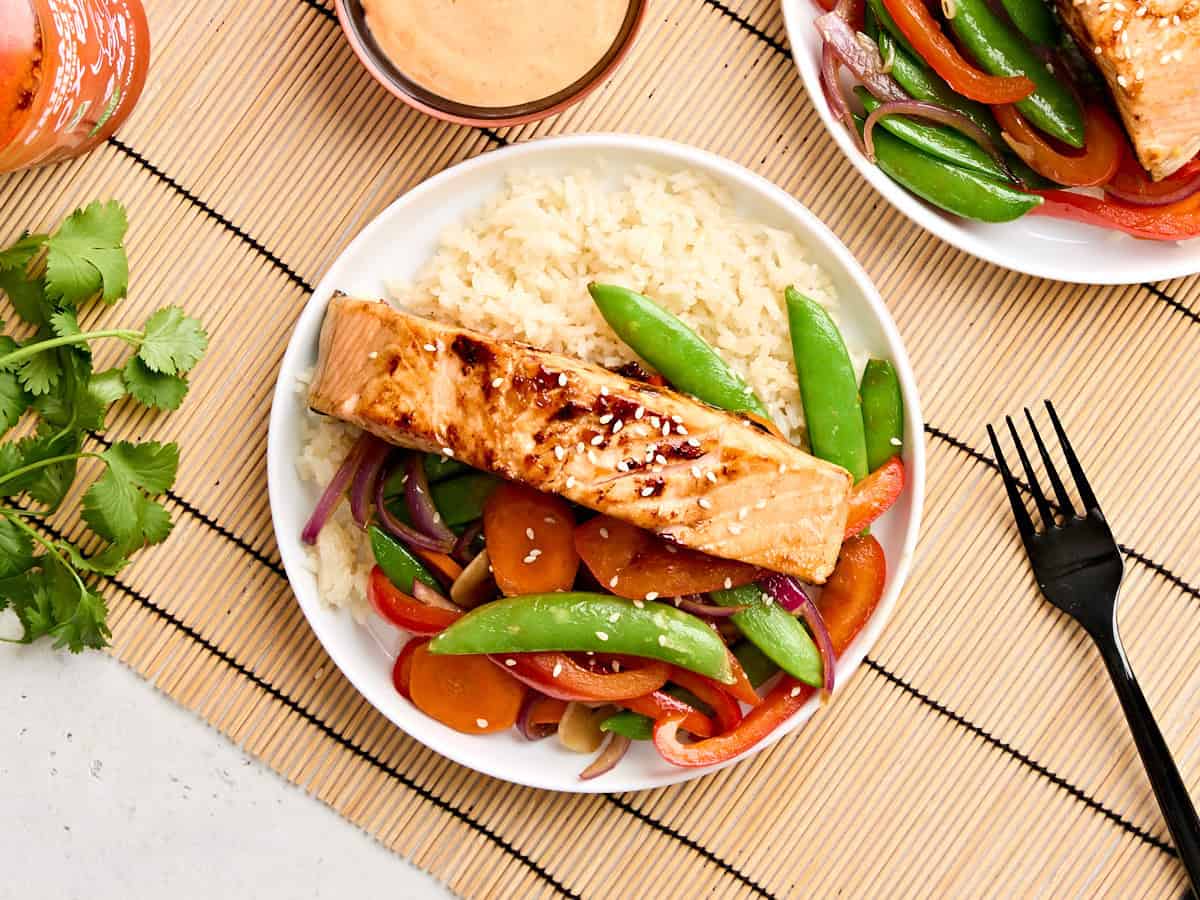
  • LATE NIGHT FUEL: Sticky-Sweet Teriyaki Salmon with Serious Takeout Vibes

    LATE NIGHT FUEL: Sticky-Sweet Teriyaki Salmon with Serious Takeout Vibes

    Introduction & My Personal Story

    When the moon rises and the world quiets down, I find solace in my kitchen. Late nights have always been my creative sanctuary, a time when I can experiment with flavors and create something that not only satisfies my hunger but also fuels my passion. One dish that has become a staple in my late-night repertoire is the Sticky-Sweet Teriyaki Salmon. I remember the first time I made this dish; it was during a particularly intense week of culinary school. I needed something quick, flavorful, and energizing. The aroma of sweet soy sauce mingling with ginger and garlic filled my tiny apartment, and as I took my first bite, I knew I had found my late-night muse.

    What makes this dish special to me is its versatility and simplicity. It’s the kind of recipe that transforms leftover ingredients into a gourmet meal. Over the years, in my 5 years of experience as a chef, I’ve perfected the nuances of this dish to ensure it delivers serious takeout vibes without the guilt. Whether you’re pulling an all-nighter or just craving something delicious, this Teriyaki Salmon is your go-to. It’s light enough to avoid the dreaded food coma yet packed with the energy you need to power through those late hours.

    Why You’ll Love This Recipe

    • Quick and easy to prepare, perfect for late-night cravings.
    • Packed with flavor, offering a balance of sweet and savory.
    • Healthy alternative to takeout, with fresh ingredients.
    • Customizable to suit your spice level with sriracha mayo.
    • Minimal cleanup required, so you can get back to your hustle.

    Detailed Ingredients

    To make the perfect Sticky-Sweet Teriyaki Salmon, gather the following:

    • 1 lb salmon, cut into 4 equal pieces. Look for fresh, firm fillets with vibrant color.
    • ¼ cup soy sauce (preferably low-sodium for a healthier option).
    • 2 Tbsp water, to dilute the marinade slightly.
    • ½ Tbsp toasted sesame oil, for a nutty aroma.
    • 1 inch grated ginger, fresh for a zesty kick.
    • ½ tsp minced garlic, or more if you love garlic like I do.
    • 2 Tbsp brown sugar, to add that sticky sweetness.
    • 2 Tbsp rice wine, for depth of flavor.
    • 1 tsp cornstarch, to thicken the sauce.
    • ¼ cup mayo, for the sriracha mayo.
    • 2 Tbsp sriracha, adjust according to your spice preference.

    Step-by-Step Instructions

    Step 1: Make the Marinade
    Start by whisking together the soy sauce, water, toasted sesame oil, grated ginger, minced garlic, brown sugar, rice wine, and cornstarch in a bowl. The cornstarch will help the sauce cling to the salmon, creating that sought-after stickiness.

    Step 2: Prep the Salmon
    Cut the salmon into 4 equal pieces. Ensure each piece is of similar thickness to cook evenly. Chef’s Tip: Pat the salmon dry with paper towels to help the marinade adhere better.

    Step 3: Marinate
    Place the salmon pieces in a zip-top bag or shallow dish. Pour the marinade over the salmon, ensuring each piece is well-coated. Seal the bag or cover the dish and refrigerate for at least 30 minutes, flipping occasionally to ensure even marination.

    Step 4: Heat the Skillet
    Use a well-oiled skillet over medium-high heat. Allow the pan to heat for a few minutes until it’s hot but not smoking. This ensures a good sear on the salmon.

    Step 5: Cook the Salmon
    Add the salmon to the skillet, skin-side down. Cook for 2-3 minutes per side. You’ll know it’s done when it flakes easily with a fork and has a beautiful caramelized exterior.

    Step 6: Make the Sriracha Mayo
    In a small bowl, mix the mayo with sriracha. Adjust the amount of sriracha to your liking. This creamy, spicy sauce pairs perfectly with the sweet teriyaki glaze.

    Step 7: Serve
    Plate the salmon, drizzle with sriracha mayo, and serve alongside your choice of veggies or rice. Enjoy the late-night vibes!

    Common Mistakes to Avoid

    • Over-marinating: Leaving the salmon in the marinade for too long can make it too salty. Stick to the 30-minute mark.
    • High heat: Cooking on too high a heat can burn the glaze. Keep it at medium-high for a perfect sear.
    • Uneven pieces: Cut the salmon evenly to ensure each piece cooks at the same rate.
    • Skipping the pat dry: Moisture prevents the marinade from sticking well, so always pat the salmon dry.

    How to Store & Reheat

    Store any leftover salmon in an airtight container in the refrigerator for up to 3 days. To reheat, place it in a skillet over low heat until warmed through, or use the microwave for 1-2 minutes, ensuring you don’t dry it out.

    Ingredient Substitutions

    • Soy sauce: Swap for tamari or coconut aminos for a gluten-free option.
    • Brown sugar: Honey or maple syrup can be used for a different sweetness profile.
    • Rice wine: Substitute with mirin or a splash of apple cider vinegar.
    • Sriracha: Use your favorite hot sauce or chili paste if preferred.

    Nutrition Facts

    • Calories: 350 per serving
    • Protein: 30g
    • Fat: 20g
    • Carbs: 15g
    • Serving Size: 1 piece of salmon with sauce

    Frequently Asked Questions

    • Can I use frozen salmon? Yes, just ensure it’s fully thawed and patted dry before marinating.
    • What sides pair well with this dish? Steamed rice, sautéed greens, or a simple salad complement the flavors beautifully.
    • How can I make it spicier? Increase the amount of sriracha in the mayo or add chili flakes to the marinade.
    • Can I grill the salmon instead? Absolutely, grilling adds a nice smoky flavor to the dish.
    • Is there a vegetarian alternative? Try using tofu or tempeh as a substitute for salmon.

  • LATE NIGHT FUEL: Homemade Egg Rolls That Outshine Takeout (and Cost Just Pennies!)

    LATE NIGHT FUEL: Homemade Egg Rolls That Outshine Takeout (and Cost Just Pennies!)

    Introduction & My Personal Story

    There was a time, during my culinary school days, when late-night cravings would often strike amidst marathon study sessions. The cafeteria was closed, and my options were limited, but my hunger was fierce. It was during these late hours that I stumbled upon the perfect solution: **Homemade Egg Rolls**. They were not only a delicious treat but also a cost-effective way to fuel my brain for those long nights. I remember the first time I decided to make them from scratch, outshining any takeout I had ever tried. The crispiness of the baked wrapper, the savory filling of vegetables, and the aroma filling my tiny student kitchen were simply unforgettable. Over time, these egg rolls became my go-to recipe, and I discovered that they were not just a snack but a symbol of those hardworking nights. In my 5 years of experience as a chef, I’ve refined this recipe to perfection, making it a reliable companion for anyone needing a late-night boost.

    Why You’ll Love This Recipe

    • Cost-Effective: These egg rolls cost just pennies compared to takeout.
    • Healthier Option: Baked instead of fried, they offer all the crunch without the guilt.
    • Customizable: Easily adaptable with your favorite ingredients.
    • Easy Preparation: Simple steps make it accessible for any skill level.
    • Perfect for Meal Prep: Make a batch and store for later cravings.

    Detailed Ingredients

    Here’s what you’ll need to make these delicious egg rolls:

    • 1 tablespoon vegetable oil (15 ml)
    • 3 medium green onions, sliced (about 45 grams)
    • 2 small garlic cloves, minced (about 6 grams)
    • 1 inch fresh ginger, peeled and grated (about 10 grams)
    • 4 ounces mushrooms, cleaned and sliced (about 115 grams)
    • 2 medium carrots, peeled and grated (about 100 grams)
    • 1 small head green cabbage, cored and thinly sliced (about 450 grams)
    • ½ tablespoon cornstarch (7 grams)
    • ¼ cup soy sauce (60 ml)
    • 1 teaspoon sesame oil (5 ml)
    • 20 egg roll wrappers
    • Non-stick cooking spray

    When shopping, look for fresh and crisp vegetables. The cabbage should be firm, and the mushrooms clean and free of spots.

    Step-by-Step Instructions

    Here’s how to make these egg rolls, step-by-step:

    Step 1: Prep Your Veggies

    Start by cleaning and cutting all your vegetables. Grate the carrots and ginger, and slice the green onions and mushrooms. This prep work will ensure a smooth cooking process.

    Step 2: Sauté Aromatics

    In a large skillet, heat the vegetable oil over medium heat. Add the sliced green onions, minced garlic, and grated ginger. Sauté for about 1-2 minutes until they’re softened and fragrant. Chef’s Tip: Keep an eye on the garlic to ensure it doesn’t burn, which can turn it bitter.

    Step 3: Add Mushrooms

    Next, add the sliced mushrooms to the skillet. Cook them until they release their moisture and start to brown slightly, about 5 minutes.

    Step 4: Mix in Other Veggies

    Add the grated carrots and sliced cabbage to the skillet. Stir everything together and cook until the cabbage wilts and becomes tender, around 10 minutes.

    Step 5: Prepare the Sauce

    In a small bowl, dissolve the cornstarch in the soy sauce. Pour this mixture over the veggies in the skillet, stirring to create a light glaze. Add the sesame oil and turn off the heat. Taste the mixture and adjust the seasoning if needed.

    Step 6: Fill the Egg Rolls

    Lay an egg roll wrapper on a clean surface. Place about 1/4 cup of the filling slightly off-center. Fold the bottom corner over the filling, then fold the sides in, and roll it up tightly. Use a little water to seal the edges.

    Step 7: Preheat the Oven

    Preheat your oven to 425°F (220°C). Line a baking sheet with aluminum foil and lightly spray it with non-stick cooking spray. Place the egg rolls on the sheet and lightly spray the tops as well.

    Step 8: Bake

    Bake the egg rolls for 20-25 minutes, turning them halfway through, until they’re golden brown and crispy. Let them cool slightly before serving.

    Common Mistakes to Avoid

    Here are some pitfalls to watch out for:

    • Overstuffing: This can cause the rolls to burst while baking. Stick to about 1/4 cup of filling per wrapper.
    • Not sealing properly: Use enough water to ensure the edges are sealed, preventing leaks.
    • Skipping the flip: Flipping the rolls halfway ensures even browning.

    How to Store & Reheat

    To store leftover egg rolls, let them cool completely and place them in an airtight container. They will keep in the refrigerator for up to 3 days. For longer storage, freeze them for up to 2 months.

    To reheat, preheat your oven to 350°F (175°C) and bake the egg rolls for about 10 minutes until heated through and crispy.

    Ingredient Substitutions

    If you’re missing an ingredient or need to adapt the recipe, here are some substitutions:

    • Mushrooms: Substitute with bell peppers or zucchini for a different texture.
    • Green Cabbage: Use napa cabbage or even bok choy.
    • Soy Sauce: Tamari or coconut aminos work as gluten-free alternatives.

    Nutrition Facts

    • Calories: 150 per egg roll
    • Protein: 4 grams
    • Fat: 3 grams
    • Carbs: 25 grams
    • Serving Size: 1 egg roll

    Frequently Asked Questions

    • Can I fry these egg rolls instead of baking?
      Yes, you can fry them in vegetable oil until golden brown for a crispier texture.
    • Can I make these egg rolls ahead of time?
      Absolutely! Assemble them and keep them in the fridge for up to a day before baking.
    • What dipping sauce pairs well with these egg rolls?
      A sweet chili sauce or soy sauce with a splash of lime is delicious.
    • Are these egg rolls vegan?
      Yes, they are vegan as long as you use vegan-friendly egg roll wrappers.
    • Can I add protein to this recipe?
      Certainly! Add cooked shrimp, chicken, or tofu for extra protein.